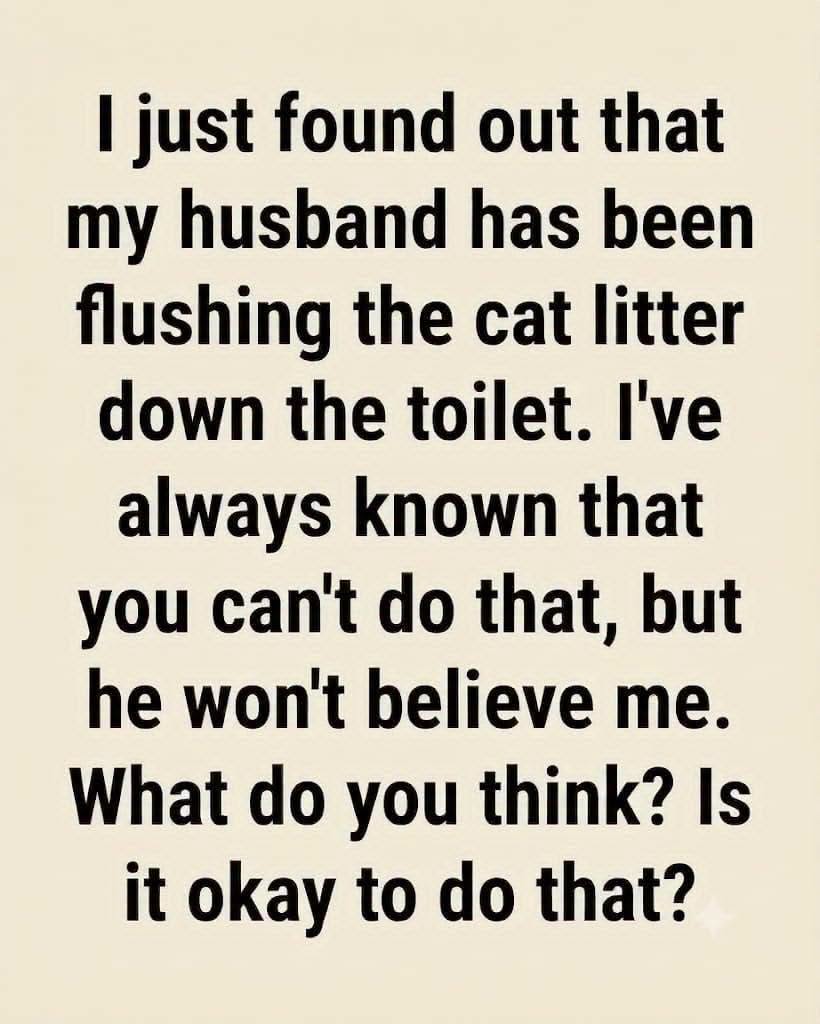
Most toilet problems do not begin with a dramatic flood or a pipe bursting in the middle of the night.
They begin with small habits.
A tissue flushed without a second thought.
A cleaning wipe tossed into the bowl.
A little cooking grease poured away because it seemed easier than throwing it out.
Each decision feels harmless.
After all, everything disappears with a single push of the handle.
Or at least it looks that way.
What most people never see is what happens after the water carries those items beyond the bathroom.
Instead of disappearing, many of them continue traveling through pipes where they become trapped, tangled, swollen, or hardened.
Day after day, those small pieces begin collecting together.
Eventually, what started as one careless flush can become an expensive plumbing emergency.
Professional plumbers often say that many of the biggest household disasters they repair could have been prevented with a few simple changes.
Understanding what should never go into the toilet is one of the easiest ways to protect both your plumbing and your wallet.
The first major culprit surprises many homeowners.
So-called “flushable” wipes.
The packaging often suggests they are safe for toilets.
Many people assume they break apart just like toilet paper.
Unfortunately, they usually do not.
Unlike toilet paper, which is designed to dissolve quickly in water, most wipes remain remarkably strong even after spending hours submerged.
That strength becomes a problem inside plumbing systems.
Instead of falling apart, they can catch on rough sections of pipe.
Once one wipe becomes stuck, others often follow.
Hair, paper, grease, and other debris gradually collect around the blockage until water can no longer move freely.
Large sewer systems around the world regularly remove enormous masses of wipes mixed with grease and other waste.
These giant blockages can damage public sewer systems while also backing up wastewater into homes.
For that reason, many plumbing professionals recommend throwing every wipe into a trash bin instead of flushing it, regardless of what the label says.
Hair is another surprisingly common cause of clogged plumbing.
Whether from shaving, brushing, or grooming, loose strands often end up near bathroom drains.
Unlike soft paper, hair does not dissolve.
Instead, it twists together into dense clumps.
Those clumps easily catch soap residue, toothpaste, and other materials traveling through the pipes.
Over time, what begins as a few strands can develop into a stubborn blockage that significantly slows drainage.
Cotton products create another hidden problem.
Cotton balls, cosmetic pads, cotton swabs, and similar items absorb water extremely well.
That quality makes them useful for personal care.
Inside plumbing, however, it becomes a disadvantage.
After being flushed, cotton continues absorbing moisture while traveling through the pipes.
As it expands, it becomes more likely to lodge inside narrow sections of the plumbing.
Unlike toilet paper, cotton fibers remain intact rather than breaking apart.
Multiple cotton products can eventually combine into surprisingly solid blockages.
Paper towels and facial tissues also cause confusion.
Because they are made from paper, many people assume they behave exactly like toilet paper.
In reality, they are manufactured very differently.
Paper towels are intentionally designed to remain strong when wet.
That strength allows them to clean spills without falling apart.
Inside plumbing, however, the same durability prevents them from dissolving quickly.
Facial tissues behave similarly.
Even though they appear soft, they often resist breaking down inside pipes.
Repeated flushing gradually increases the risk of serious clogs.
Cooking grease represents one of the most damaging substances that can enter household plumbing.
Many people think that because grease is liquid while hot, it will continue flowing through the pipes.
The opposite usually happens.
As grease cools, it begins solidifying.
The once-liquid fat slowly hardens against the inside walls of the plumbing.
Each additional layer makes the pipe narrower.
Eventually, even small amounts of ordinary waste struggle to pass through.
Grease also traps food particles, hair, and other debris, making blockages even larger.
The better solution is remarkably simple.
Allow grease to cool completely.
Pour it into a disposable container or sealed jar.
Once hardened, throw it into the trash.
This small habit dramatically reduces plumbing problems while also protecting municipal sewer systems.
Medications should never be flushed either.
Unused pills and liquid medicines may seem harmless, but flushing them introduces pharmaceutical chemicals into wastewater systems.
Many treatment facilities cannot completely remove every medication from the water.
As a result, traces of those substances may eventually enter rivers, lakes, and other natural environments.
Many pharmacies and community organizations now offer medication take-back programs where unused prescriptions can be disposed of safely.
Using those services protects both plumbing and the environment.
Even products specifically labeled as biodegradable deserve careful consideration.
Some materials eventually decompose under ideal conditions but still remain intact long enough to create plumbing problems before breaking down.
Your toilet does not function like a garbage disposal.
Its plumbing system is designed for only a few things.
Human waste.
Toilet paper.
Water.
Everything else increases unnecessary risk.
Beyond protecting your home’s plumbing, careful flushing habits also help safeguard larger public sewer systems.
Cities spend millions of dollars each year removing blockages caused by inappropriate waste disposal.
Those costs ultimately affect taxpayers and utility customers alike.
One person’s small convenience may eventually contribute to community-wide maintenance expenses.
Fortunately, preventing these problems requires very little effort.
One of the simplest improvements is placing a small trash bin beside every toilet.
Having a convenient place to discard wipes, tissues, cotton products, and other bathroom waste makes people far less likely to flush them out of habit.
Lining the bin with a disposable bag makes emptying it quick and hygienic.
Kitchen habits matter as well.
Rather than pouring grease into the sink or toilet, let it cool naturally before disposing of it in the trash.
Many people also keep an empty can or disposable container specifically for cooking grease.
Once full, the container can simply be discarded.
Regular plumbing maintenance also helps.
If drains begin slowing, addressing the problem early often prevents major blockages later.
Waiting until water completely stops flowing usually means the obstruction has already become much larger.
Most importantly, remember that plumbing problems rarely appear overnight.
They build gradually.
Each improper item flushed down the toilet adds another layer to a blockage that may remain invisible for weeks, months, or even years before finally causing serious damage.
That is why prevention remains so valuable.
A few seconds spent throwing something into the trash instead of the toilet can prevent flooded bathrooms, damaged flooring, expensive emergency plumbing visits, and thousands of dollars in repairs.
In the end, protecting your plumbing is not about complicated maintenance or expensive equipment.
It is about everyday decisions.
The toilet is designed for a very limited purpose.
Treating it that way keeps your pipes flowing smoothly, protects your home from avoidable disasters, and saves both money and stress for years to come.
Sometimes the simplest habits make the biggest difference, and one thoughtful decision today may prevent an enormous repair bill tomorrow.