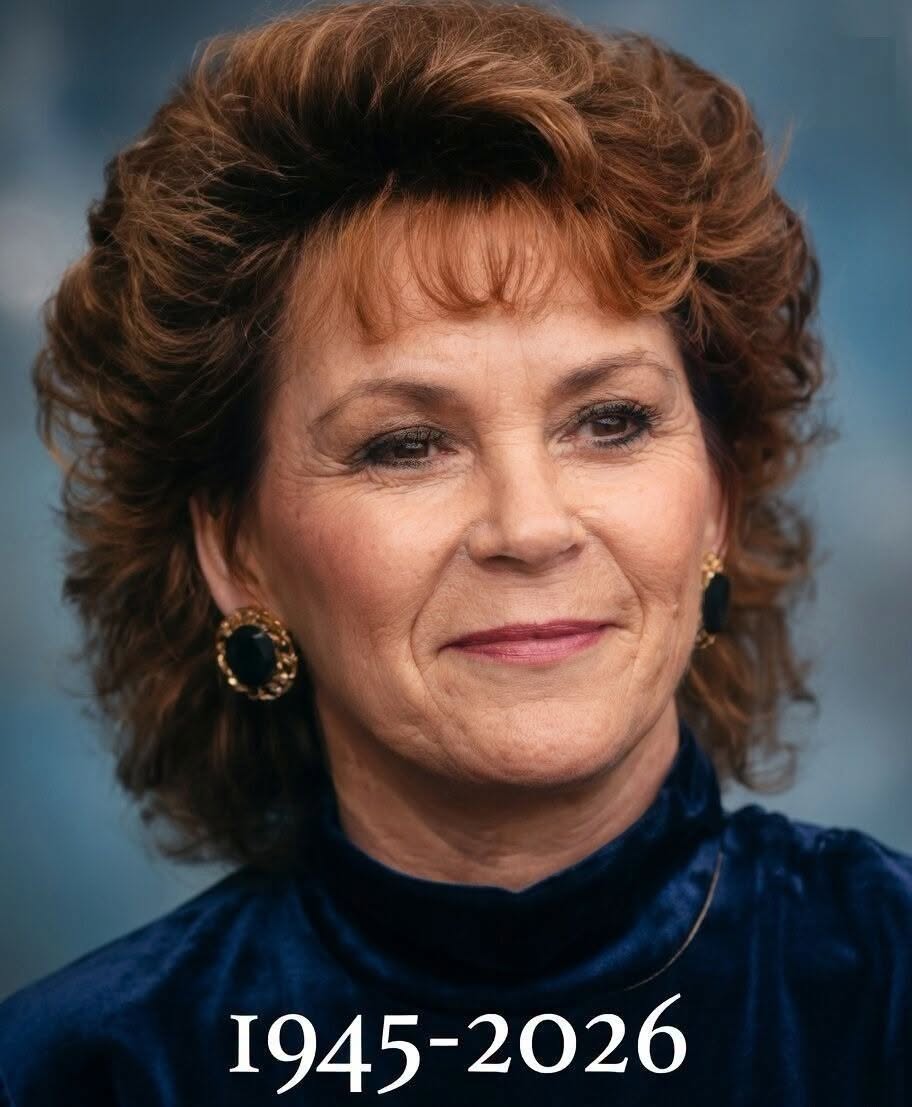
For millions of television viewers, Lauren Ann Chapin will always be remembered as “Kitten,” the lovable youngest daughter on the classic sitcom Father Knows Best. With her bright smile, playful personality, and natural charm, she became one of the most recognizable child stars of the 1950s, growing up before the eyes of an entire nation.
To audiences, her life appeared almost perfect.
Each week, families gathered around their televisions to watch the Anderson family solve everyday problems with warmth, humor, and understanding. Chapin’s character represented innocence and joy, becoming an unforgettable part of one of television’s most beloved family programs.
But when the cameras stopped rolling, life looked very different.
Behind the cheerful image that viewers welcomed into their homes was a young girl facing challenges few people could see. Like many child performers, Chapin discovered that fame could not protect her from heartbreak, uncertainty, or personal struggles.
As the years passed and Father Knows Best came to an end, she faced the difficult transition from child star to adulthood.
For many young actors, that journey is far more complicated than audiences imagine.
Growing up in the public eye often means sacrificing experiences that most children take for granted. School, friendships, privacy, and the freedom to make mistakes quietly are replaced by demanding schedules, public expectations, and constant attention.
When the spotlight eventually fades, many former child stars struggle to discover who they are beyond the characters they once portrayed.
Lauren Ann Chapin experienced those same challenges.
Life after television was not filled with effortless success.
Instead, it brought personal disappointments, emotional struggles, and difficult seasons that tested her strength in ways far greater than any television script ever could.
Rather than hiding those experiences, however, Chapin eventually chose a different path.
She decided to speak honestly about her life.
Instead of allowing people to believe the perfect image they remembered from television, she shared the reality of her journey the victories, the failures, the pain, and the lessons she learned along the way.
That honesty became one of the defining characteristics of her later life.
Many public figures carefully protect their image.
Chapin chose vulnerability instead.
She openly discussed the hardships she experienced, hoping that others facing similar struggles would realize they were not alone.
Her willingness to tell the truth transformed her relationship with audiences.
Fans who had once admired the cheerful little girl from television now found themselves inspired by the resilient woman she had become.
She demonstrated that strength is not measured by avoiding hardship.
It is measured by how a person responds after life becomes difficult.
Over time, faith became an important part of Chapin’s personal journey.
She frequently spoke about the role spirituality played in helping her overcome adversity and rebuild her life.
Rather than allowing past experiences to define her future, she focused on encouraging others who were facing their own battles.
Her message was simple but powerful.
Everyone encounters pain.
Everyone experiences disappointment.
But those moments do not have to determine the rest of a person’s story.
Chapin began traveling, speaking publicly, and sharing her experiences with audiences across the country.
Her presentations were not centered on nostalgia alone.
Although many attendees remembered her as “Kitten,” they often left with something much deeper than memories of an old television program.
They heard stories about perseverance.
About forgiveness.
About choosing hope even when circumstances seem overwhelming.
She became an advocate for resilience.
People dealing with addiction, family problems, emotional struggles, or feelings of failure often connected with her honesty.
Instead of pretending she had always lived a perfect life, she acknowledged the reality of hardship while emphasizing that healing is possible.
That authenticity made her message meaningful.
It reminded audiences that success is not about avoiding failure.
It is about continuing to move forward despite it.
Her story also highlights the unique challenges many former child actors face.
Television audiences often freeze celebrities in time.
They continue seeing them as the characters they portrayed decades earlier, forgetting that those performers also experience ordinary human struggles.
Behind every familiar television face is a real person whose life continues long after the final episode airs.
Chapin refused to remain trapped by the expectations attached to her childhood role.
She embraced new purposes, new experiences, and new opportunities to help others.
That willingness to grow became one of her greatest achievements.
The affection audiences still feel toward Father Knows Best undoubtedly remains an important part of her legacy.
The series continues to introduce new generations to a simpler style of storytelling focused on family values, kindness, and understanding.
Her performance as Kitten remains an unforgettable piece of television history.
Yet perhaps the most remarkable part of Lauren Ann Chapin’s life happened after those cameras stopped recording.
She showed that a person’s greatest accomplishments are not always the ones that receive the most applause.
Sometimes the greatest achievement is quietly rebuilding after disappointment.
Sometimes it is finding purpose after loss.
Sometimes it is using personal pain to help someone else survive their own.
Today, many people remember Chapin not only for the little girl who entertained America but also for the woman who demonstrated remarkable courage in confronting her own past.
She transformed difficult experiences into opportunities for encouragement.
She replaced silence with honesty.
She chose compassion over bitterness.
That choice shaped the second half of her life far more than childhood fame ever could.
Her journey reminds us that life rarely follows the script we expect.
Early success does not guarantee lifelong happiness.
Public admiration cannot eliminate private struggles.
But resilience, honesty, and kindness have the power to redefine even the most difficult chapters.
Lauren Ann Chapin’s story ultimately reaches beyond classic television.
It is the story of someone who refused to let painful experiences become the final word.
It is about discovering that true success is not measured by awards, ratings, or celebrity.
It is measured by the lives we touch, the hope we give, and the courage we show when facing our own battles.
For generations, she will always be remembered as Kitten.
But for those who came to know the woman behind that unforgettable character, her greatest role was simply being herself strong, compassionate, honest, and determined to leave the world a little brighter than she found it.