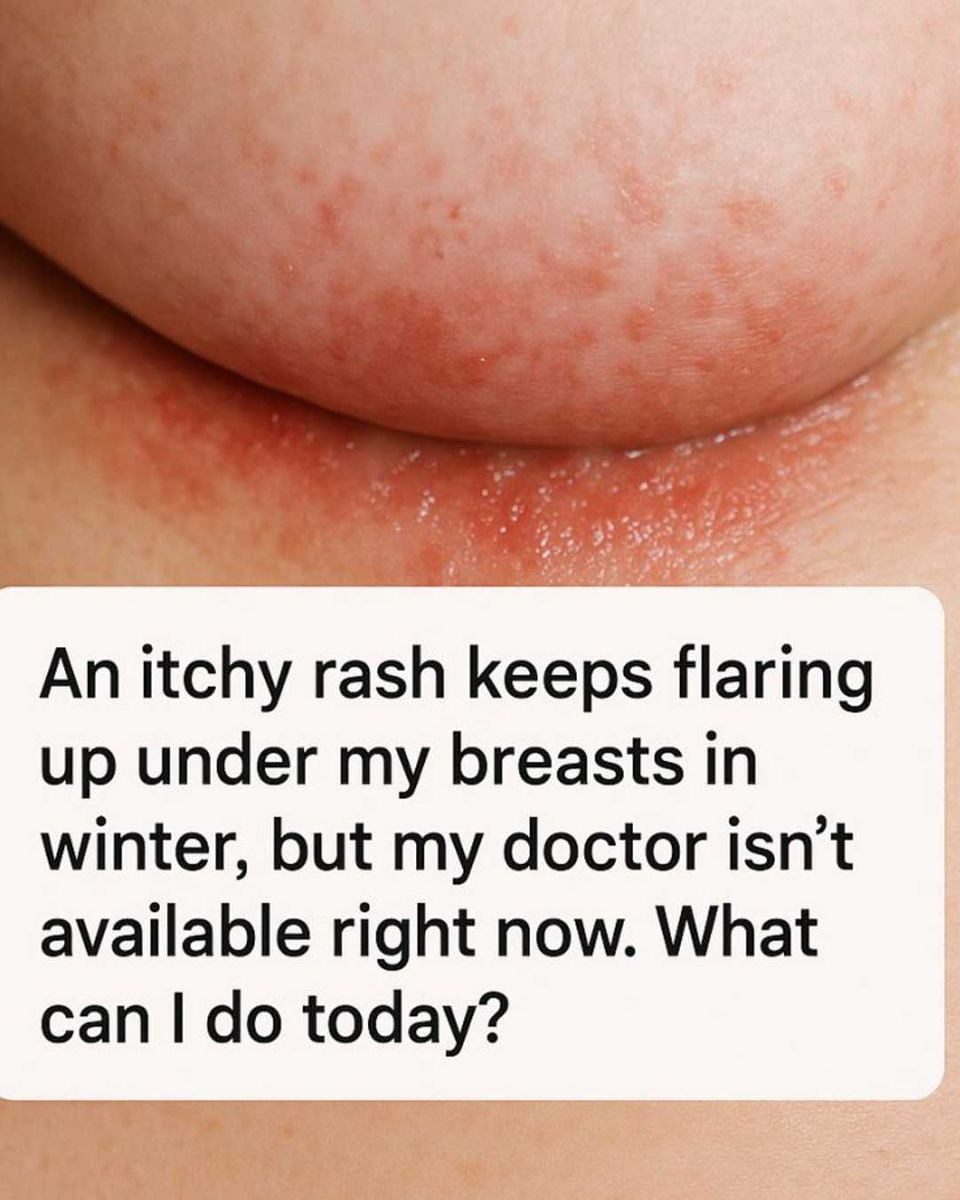
It often starts quietly, almost easy to ignore. A faint itch, a bit of redness, maybe a slight discomfort that you brush off as nothing serious. But then it returns. And returns again.
Before long, that small irritation beneath the breast becomes something harder to overlook itchy, tender, sometimes even painful. When it flares up during the colder months, it can feel confusing. After all, winter isn’t exactly the season most people associate with sweat or skin irritation. Yet for many, this is exactly when the problem worsens.
What you may be dealing with is a common condition known as Intertrigo, an inflammation that develops where skin folds trap heat, moisture, and friction. Under the breasts is one of the most common places for it to appear. While it can happen at any time of year, winter creates a surprisingly ideal environment for it to thrive. Thick clothing, layered fabrics, and heated indoor air all work together to keep warmth close to the body. That warmth leads to moisture, even if you don’t notice yourself sweating. Without enough airflow, the skin stays damp, irritated, and vulnerable.
The result is a rash that can range from mildly annoying to intensely uncomfortable. The skin may appear red or pink, sometimes shiny or slightly swollen. It can itch persistently, burn, or feel raw to the touch. In some cases, the area may even develop small cracks or a stronger odor, especially if yeast or bacteria begin to grow in the moist environment. This is why acting early, even before the rash becomes severe, can make a significant difference.
If you’re dealing with this right now and can’t see your doctor immediately, there are practical steps you can take today to calm the irritation and protect your skin. The goal is simple: keep the area clean, dry, and shielded from further friction.
Start with gentle cleansing. Use lukewarm water and a mild, fragrance-free soap to wash the area carefully. Avoid scrubbing, as irritated skin is already sensitive and can worsen with friction. Once clean, drying becomes just as important as washing. Pat the skin dry with a soft towel rather than rubbing it, and take your time to ensure no moisture is left behind. If needed, you can even use a hairdryer on a cool setting to gently dry the area completely.
Once the skin is clean and dry, applying a protective barrier can help reduce further irritation. Products containing zinc oxide or simple petrolatum create a thin layer that shields the skin from moisture and friction. These barriers don’t just soothe they actively prevent the conditions that allow the rash to worsen. Applying a small amount to the affected area can provide immediate relief and ongoing protection throughout the day.
If the rash has a slightly shiny, moist appearance or seems persistent despite basic care, yeast may be involved. In that case, over-the-counter antifungal creams can be helpful. These treatments are designed to reduce fungal growth and often bring noticeable improvement within a few days. It’s important to use them consistently as directed, even if symptoms begin to fade quickly.
Clothing choices also play a major role in both triggering and relieving the problem. Tight or non-breathable fabrics trap heat and moisture, making irritation worse. Opt for soft, breathable materials like cotton whenever possible. A well-fitting, supportive bra that allows airflow can make a surprising difference. If your current bras feel tight or cause rubbing, switching to a more comfortable option can immediately reduce friction.
Some people find relief using talc-free powders to keep the area dry throughout the day. These powders absorb excess moisture and reduce that damp feeling that often fuels irritation. Just be sure to apply them lightly and avoid heavily fragranced products, which can further irritate sensitive skin.
When the itching becomes difficult to ignore, cool compresses can offer quick relief. A clean, damp cloth applied to the area for several minutes can soothe inflammation and calm the urge to scratch. Over-the-counter anti-itch creams may also help, but it’s best to use them sparingly and avoid anything too strong unless advised by a healthcare professional.
Even with careful home care, it’s important to stay alert to warning signs that signal something more serious. If the redness spreads quickly, the pain becomes intense, or you notice swelling, pus, or an unusual smell, those could indicate an infection that needs medical attention. Fever, chills, or feeling unwell alongside the rash should also be taken seriously. In those cases, seeking urgent care is the safest choice, even if it means traveling farther than you’d like.
If the rash lingers despite your efforts, tracking its progress can help when you eventually see your doctor. Taking clear photos every day or two allows you to document changes in color, size, and severity. Keeping notes on what products you’ve used and how your skin responded can also make your appointment more productive and focused.
What’s important to remember is that you’re not powerless while you wait for professional care. Small, consistent actions keeping the area dry, reducing friction, and protecting the skin can significantly improve your comfort and prevent the condition from worsening. Many people find that once they understand what triggers these flare-ups, they can manage them more effectively and even prevent them altogether.
This kind of rash may feel frustrating, especially when it returns again and again, but it’s also manageable with the right approach. By paying attention to your skin, adjusting your routine, and responding early to symptoms, you can regain a sense of control. What begins as an irritating winter problem doesn’t have to stay that way. With the right care, relief is not only possible it can start today.