As preparations continue for the United States’ upcoming 250th anniversary, an unexpected controversy has emerged around one of the planned celebrations.
What was originally envisioned as a large-scale entertainment event featuring a variety of musical performers has become the center of a growing debate involving politics, celebrity participation, and the future direction of the festivities.
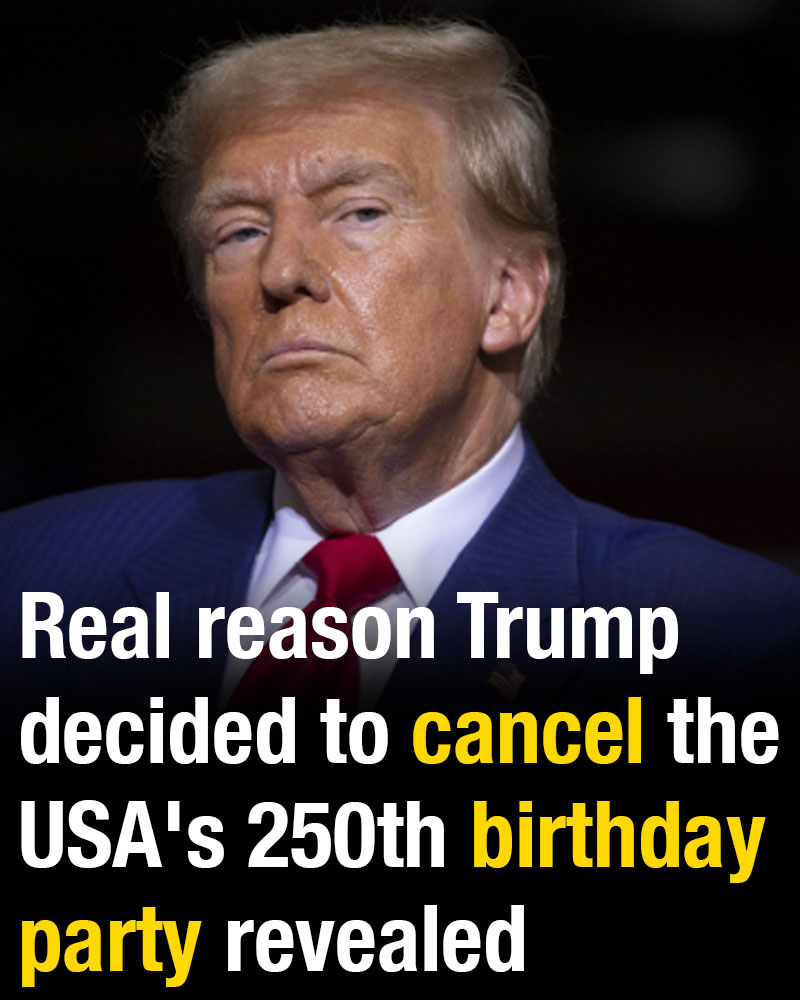
At the heart of the discussion is former President Donald Trump, who recently suggested that parts of the planned Freedom 250 celebration could be dramatically reimagined following a series of artist withdrawals. Rather than focusing on concerts and celebrity performances, Trump indicated that he may prefer transforming portions of the event into a large political gathering centered around themes he believes resonate more strongly with his supporters.
The Freedom 250 celebration was designed to mark a historic milestone in American history. The upcoming anniversary commemorates 250 years since the nation’s founding, an occasion expected to draw attention from communities, organizations, and political leaders across the country. Organizers envisioned a series of events celebrating American history, culture, and national identity.
However, the planning process has not unfolded without complications.
Reports began circulating that several artists who had initially been connected to the celebration were no longer planning to participate. The departures quickly generated headlines and fueled speculation about the reasons behind the withdrawals. Some performers reportedly felt uncomfortable after learning more about the event’s political associations, while others simply chose not to move forward with their involvement.
As news of the artist departures spread, discussions intensified across social media and news outlets. Supporters and critics of the event debated whether the controversy reflected broader divisions within American culture, where entertainment and politics increasingly intersect.
Several well-known performers were mentioned in reports surrounding the withdrawals. According to accounts that emerged during the controversy, some artists expressed concerns that the event carried a stronger political identity than they had initially understood.
The situation placed organizers in a difficult position.
Large public celebrations often rely heavily on recognizable performers to attract audiences and generate excitement. When multiple artists withdraw from an event, organizers may face challenges related to scheduling, promotion, and public perception.
Despite the departures, some performers reportedly remained connected to the celebration. Nevertheless, uncertainty surrounding the final lineup fueled ongoing speculation about whether the original vision for the event could still move forward as planned.
Trump soon addressed the situation publicly.
In a lengthy statement shared through social media, he criticized performers who had chosen not to participate and questioned the value of continuing with expensive entertainment acts. He argued that many Americans would be more interested in a large patriotic gathering than in celebrity performances.
His comments immediately attracted attention.
Supporters praised his willingness to rethink the event and focus on political engagement rather than entertainment. Critics, meanwhile, viewed the remarks as another example of his tendency to transform cultural events into political spectacles.
Rather than expressing disappointment over the artist withdrawals, Trump framed the situation as an opportunity.
He suggested that a large-scale rally could potentially generate greater enthusiasm than a traditional concert lineup. According to his comments, such an event could emphasize themes of national pride, economic strength, and what he described as America’s resurgence.
The proposal represented a significant shift from the celebration’s original concept.
Instead of musicians taking center stage, the focus would move toward speeches, political messaging, and direct engagement with supporters. Such a transformation would inevitably change both the tone and audience of the event.
The controversy also highlighted a broader trend that has become increasingly visible in recent years.
Entertainment and politics have become deeply intertwined in modern public life. Musicians, actors, athletes, and other public figures frequently find themselves navigating political questions when deciding which events to support or attend.
For organizers of large national celebrations, that reality can create challenges.
An event intended to commemorate history or culture may quickly become politically charged depending on who is involved, who sponsors it, and how it is presented to the public.
As debate over Freedom 250 continued, Trump’s comments grew even more attention-grabbing.
In his remarks, he suggested that he could personally serve as the event’s main attraction. Referencing the size of crowds he has drawn throughout his political career, Trump argued that his appearances often attract extraordinary public interest.
The statement generated widespread reactions online.
Supporters viewed the comments as characteristic confidence from a politician known for emphasizing the size and enthusiasm of his audiences. Critics interpreted the remarks as self-promotional and argued that a national anniversary celebration should focus on the country rather than any individual political figure.
Regardless of perspective, the comments succeeded in keeping attention fixed on the event.
Political analysts noted that Trump has long demonstrated an ability to dominate public conversations by making bold and unexpected statements. Whether people agreed with him or disagreed with him, the discussion frequently shifted toward his remarks.
That pattern appeared to repeat itself here.
What began as a story about performer withdrawals quickly evolved into a larger conversation about the purpose of the celebration itself.
Should the nation’s 250th anniversary focus primarily on entertainment?
Should it emphasize civic engagement and political participation?
Should it attempt to balance both?
Different groups offered different answers.
Some observers argued that the anniversary represents a rare opportunity for Americans from all backgrounds to come together around shared history. They expressed concern that excessive political messaging could overshadow the broader significance of the occasion.
Others countered that political debate has always been part of the American story and that discussions about the country’s future are entirely appropriate during such an important milestone.
As planning continues, many details remain uncertain.
Questions persist regarding the final event schedule, participating performers, and the extent to which any political elements may be incorporated into the celebrations. Organizers will likely face ongoing scrutiny as they attempt to navigate competing expectations and maintain public interest.
What is clear, however, is that the controversy has already ensured significant attention for Freedom 250 long before the anniversary itself arrives.
The withdrawals, the public statements, and the resulting debate have transformed what might have been a routine planning story into a national conversation about culture, politics, and public celebration.
For supporters of Trump’s proposal, the idea represents an opportunity to energize large crowds and highlight themes they believe deserve greater attention.
For critics, it raises questions about whether a historic national commemoration should become associated with partisan politics.
Either way, the discussion reflects the deeply interconnected nature of modern American public life, where entertainment, politics, celebrity, and national identity often overlap in unexpected ways.
As the country moves closer to its historic 250th anniversary, one thing seems certain: the conversation surrounding Freedom 250 is likely far from over, and whatever final form the celebration takes, it will almost certainly remain one of the most closely watched events connected to the milestone year.