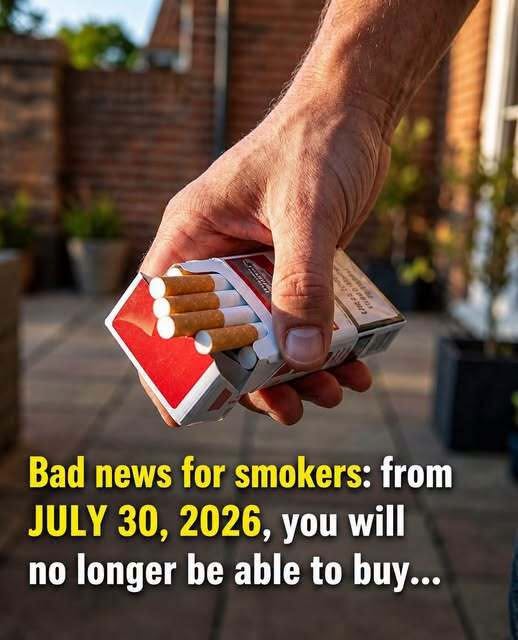
For many smokers in France, buying a pack of cigarettes has become a moment of hesitation.
The familiar routine of walking into a shop, asking for a specific brand, and paying a predictable amount now comes with a growing financial shock. What was once viewed as a simple everyday purchase has transformed into a reminder of rising costs, changing government policies, and a broader effort to reshape smoking habits across the country.
The price printed on a cigarette pack may seem like a simple number, but behind it is a carefully controlled system involving manufacturers, retailers, and government authorities.
Unlike many consumer products where companies freely adjust prices based on competition and demand, tobacco pricing in France follows a much more structured process.
Cigarette manufacturers begin by proposing a retail price for their products. That price reflects several factors: production expenses, packaging costs, transportation, distribution, and the company’s expected profit margin.
However, manufacturers do not have complete freedom to charge whatever they want.
The proposed price must go through government approval before becoming official. Once accepted, the price applies nationally, meaning a pack of the same brand generally costs the same whether it is purchased in the center of Paris, a suburban neighborhood, or a small rural town.
This system creates a level of consistency that is unusual compared with many other goods. Consumers know that prices are not changing from one store to another, but they also have little ability to avoid increases when new regulations take effect.
The biggest factor behind the rising cost of cigarettes is not the tobacco company itself.
It is taxation.
A significant portion of the money paid for a pack does not go toward manufacturing or retail profits. Instead, it flows directly to the government through tobacco taxes, including excise duties and value-added tax.
These taxes represent one of the main tools used by French authorities to influence smoking behavior.
The strategy is straightforward: if cigarettes become more expensive, fewer people will buy them regularly, and some smokers may decide to quit.
Public health officials argue that price increases can be one of the most effective ways to reduce tobacco consumption, particularly among younger people who may be more sensitive to cost.
The approach is based on the idea that prevention does not only come from education campaigns or warnings on packaging. Financial pressure can also play a role in changing habits.
Over the years, France has repeatedly increased tobacco taxes as part of its long-term effort to reduce smoking rates.
Each increase may appear small when viewed individually, but the cumulative effect has been significant. Packs that once cost only a few euros have gradually moved into the double-digit range, creating a noticeable impact on household budgets.
By 2026, average cigarette prices are expected to approach the €12.50 to €13 range for many common brands, continuing a trend that has developed over decades.
For policymakers, these increases represent more than a financial adjustment.
They are part of a broader public health strategy.
Smoking is linked to numerous serious diseases, including lung cancer, heart disease, and respiratory conditions. Governments spend billions treating illnesses connected to tobacco use, and higher taxes are often presented as a way to reduce those long-term costs while generating revenue for healthcare programs.
The money collected from tobacco taxes contributes to public budgets and supports areas such as healthcare funding, prevention initiatives, and anti-smoking campaigns.
From the government’s perspective, higher prices serve two purposes at the same time: they discourage consumption and provide resources to address the consequences of tobacco use.
For smokers, however, the experience is much more personal.
A price increase does not feel like an abstract policy decision. It appears every time they purchase a pack.
For someone who smokes regularly, even a small increase can add up to hundreds of euros more each year. Some smokers respond by reducing consumption, switching brands, seeking cheaper alternatives, or attempting to quit.
Others feel frustrated, believing that constant price increases place too much pressure on individuals who are struggling with addiction.
This tension sits at the center of the tobacco debate.
Supporters of higher prices argue that cigarettes are not ordinary products because their health consequences affect individuals, families, and healthcare systems. They believe governments have a responsibility to make harmful products less accessible.
Critics argue that repeated increases can disproportionately affect lower-income smokers, who may experience the greatest financial burden while finding quitting more difficult.
The debate also highlights the complicated nature of tobacco addiction.
Smoking is not simply a matter of choice for many people. Nicotine dependence can make quitting extremely challenging, even when someone understands the health risks and wants to stop.
That is why price policies are often combined with other measures, including medical support, quit-smoking programs, awareness campaigns, and restrictions on tobacco advertising.
The goal is not only to make cigarettes more expensive but also to provide people with realistic ways to move away from smoking.
Another issue connected to rising cigarette prices is the growth of illegal tobacco markets.
As legal prices increase, some consumers may look for cheaper options through unofficial channels. Authorities continue to monitor this problem, arguing that illegal tobacco creates additional risks because products may not meet the same safety standards and can avoid contributing to public revenue.
The challenge for governments is finding a balance: reducing smoking rates without creating unintended consequences.
For the tobacco industry, the changing environment has forced companies to adapt. Higher taxes, stricter regulations, and changing public attitudes have transformed a market that once relied heavily on long-term consumer loyalty.
For consumers, the traditional relationship with cigarettes is also changing.
A pack of cigarettes is no longer just a familiar purchase. It has become a symbol of larger questions about health, personal choice, government responsibility, and the cost of addiction.
Every price increase tells part of that story.
Behind the number on the package is a national strategy designed to influence behavior over time. Whether it succeeds depends on more than money alone. It depends on education, support systems, and the ability of individuals to make lasting changes.
The rising cost of cigarettes is not simply about paying more at the checkout.
It represents a larger shift in how society views tobacco: from a normal everyday product to one that governments increasingly want people to leave behind.