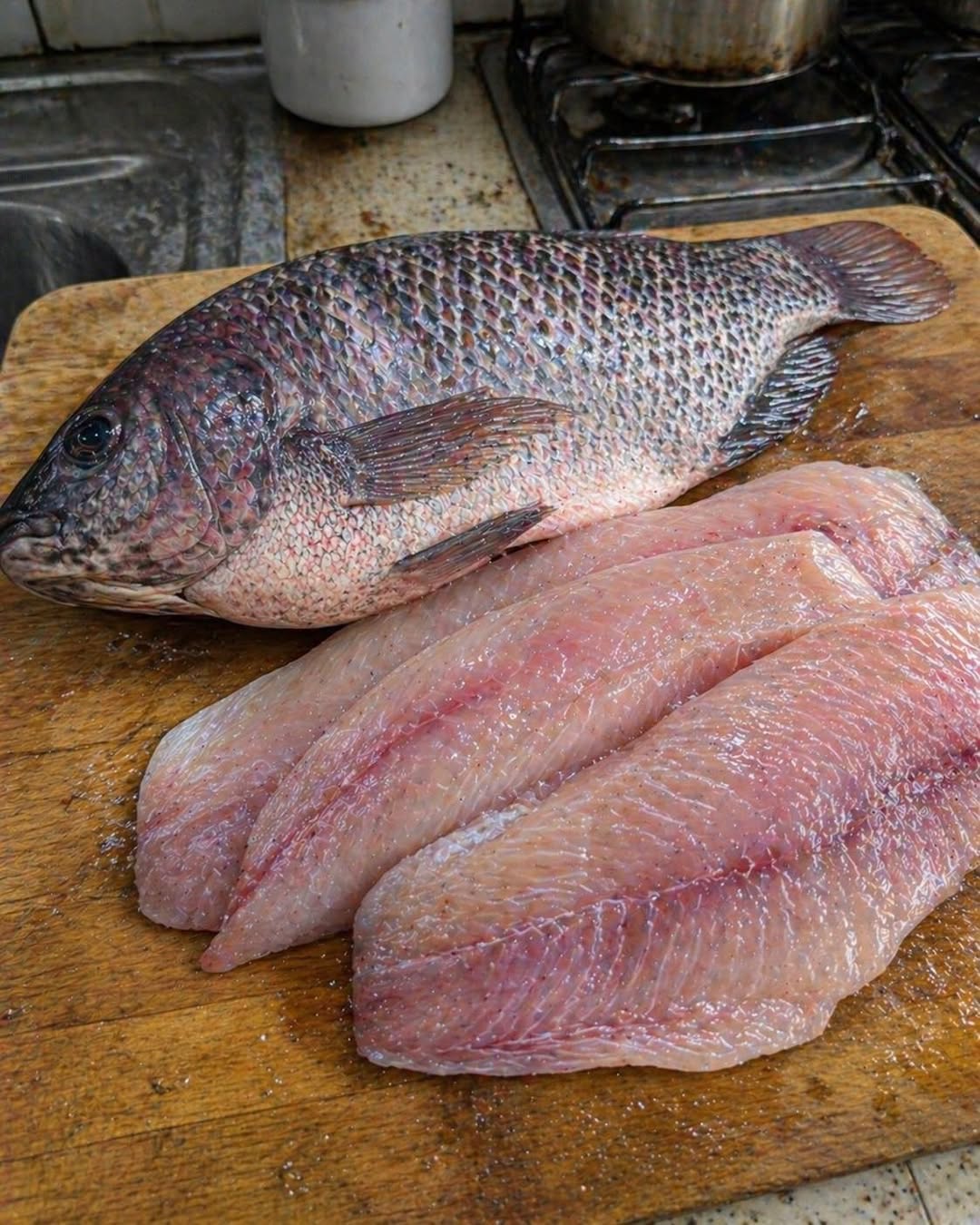
Walk through almost any grocery store in the world, and chances are you will find tilapia neatly packaged in the seafood section. It has become one of the most popular fish on the planet, appearing everywhere from home kitchens to school cafeterias and restaurant menus. Affordable, mild in flavor, and easy to cook, tilapia has earned a reputation as one of the most accessible seafood options available.
Yet despite its popularity, few foods have sparked as much debate in recent years.
Some people praise it as an excellent source of lean protein and an affordable way to enjoy seafood several times a week. Others warn that it should be avoided altogether, pointing to concerns about farming practices, antibiotics, and nutritional differences compared with other fish.
So what is the truth?
The answer is more balanced than many sensational headlines suggest.
Tilapia itself is not inherently unhealthy. In fact, it offers several nutritional benefits that make it a valuable addition to many diets when consumed as part of an overall balanced eating pattern.
A typical cooked serving provides more than 20 grams of high-quality protein while remaining relatively low in calories and saturated fat. Protein plays an essential role in repairing muscles, supporting the immune system, maintaining healthy skin, and helping people stay full for longer after meals.
For individuals trying to lose weight or maintain a healthy body composition, tilapia can be an excellent source of satisfying nutrition without adding excessive calories.
The fish also supplies important vitamins and minerals that the body needs every day.
Selenium helps protect cells from oxidative stress and supports immune function.
Phosphorus contributes to strong bones and healthy teeth while playing an important role in energy production.
Vitamin D supports bone health, muscle function, and the immune system, although the amount varies depending on how the fish was raised.
Tilapia also contains relatively low levels of mercury compared with larger predatory fish such as swordfish, shark, king mackerel, and some species of tuna.
Because mercury accumulates as fish move higher up the food chain, smaller species like tilapia generally contain much lower concentrations.
That makes tilapia a practical seafood choice for many people, including families, older adults, and pregnant women when consumed according to local dietary recommendations.
Its mild taste is another reason for its popularity.
Unlike stronger-tasting fish, tilapia absorbs herbs, spices, marinades, and sauces exceptionally well.
Whether baked with lemon and garlic, grilled over charcoal, air-fried with paprika, or served alongside fresh vegetables, it adapts to countless recipes without overwhelming other flavors.
Yet despite these advantages, tilapia’s reputation has become increasingly complicated.
The concerns rarely center on the fish itself.
Instead, they focus on how much of the world’s tilapia is produced.
Unlike wild-caught fish, most tilapia sold today comes from aquaculture farms.
Fish farming has become essential to feeding the growing global population.
Without aquaculture, seafood would be significantly more expensive and many wild fish populations would face even greater pressure from overfishing.
Responsible aquaculture can provide safe, nutritious food while reducing strain on natural ecosystems.
However, not every fish farm operates under the same standards.
In some regions, tilapia is raised in carefully monitored facilities with clean water, controlled feeding programs, routine inspections, and strict food safety regulations.
In others, production conditions may be far less rigorous.
High stocking densities, poor water quality, inadequate waste management, and inappropriate use of medications have all been documented in parts of the global aquaculture industry.
These practices have fueled public concern.
One frequently discussed issue involves antibiotics.
When fish are raised in crowded environments, disease can spread more easily.
Some farms have historically relied heavily on antibiotics to reduce losses.
Overuse of antibiotics raises concerns not only about potential residues but also about contributing to antibiotic-resistant bacteria, an issue that affects human and animal health worldwide.
Many countries have responded by tightening regulations.
Imported seafood is increasingly monitored, and reputable producers follow strict withdrawal periods and testing requirements before fish enter the marketplace.
Even so, consumers are encouraged to buy seafood from trusted suppliers whenever possible.
Another point of controversy involves feed quality.
The nutritional profile of farmed fish depends largely on what they eat.
Well-managed farms use carefully formulated feeds designed to support healthy growth and good nutritional quality.
Poor-quality operations may rely on cheaper ingredients that produce fish with different fat compositions and lower overall nutritional value.
This leads to one of the most common comparisons involving tilapia.
Unlike salmon, sardines, trout, herring, and mackerel, tilapia contains relatively low amounts of omega-3 fatty acids.
Omega-3 fats are widely recognized for supporting heart health, reducing inflammation, and contributing to normal brain and eye function.
Because tilapia is naturally lean, it simply does not provide the same quantity of these beneficial fats.
That does not make tilapia unhealthy.
It simply means it serves a different nutritional role.
A healthy diet benefits from variety.
Rather than eating only one type of fish, nutrition experts generally recommend rotating different seafood options throughout the week.
One meal might feature tilapia for its lean protein.
Another could include salmon for omega-3 fats.
Another might include sardines or trout to provide additional nutrients.
No single food has to provide everything.
Preparation methods also matter far more than many people realize.
A baked tilapia fillet seasoned with herbs, garlic, olive oil, and fresh vegetables is dramatically different from heavily breaded fish that has been deep-fried and served with oversized portions of fries.
The same fish can either support a healthy diet or become part of a meal high in refined carbohydrates, sodium, and unhealthy fats depending on how it is prepared.
Simple cooking methods preserve the fish’s nutritional value while allowing its mild flavor to shine.
Grilling, steaming, baking, poaching, or using an air fryer generally require little added fat while producing satisfying meals.
Pairing tilapia with vegetables, whole grains, beans, or salads creates balanced plates rich in fiber, vitamins, and minerals.
Choosing quality products is equally important.
Many experts suggest checking where seafood was sourced before purchasing it.
Products carrying certifications from reputable sustainability organizations or originating from countries with strong food safety standards may provide additional reassurance about farming practices.
Reading labels carefully can help consumers make more informed decisions.
In reality, the conversation surrounding tilapia highlights a much larger issue.
Modern food choices are rarely just about the food itself.
They are also about how that food was produced, transported, regulated, and prepared.
A nutritious ingredient can lose many of its advantages when poor production practices or unhealthy cooking methods enter the picture.
Likewise, an affordable food sometimes criticized online may actually fit perfectly into a balanced eating plan when sourced responsibly.
Perhaps the biggest misconception is that foods must be either completely healthy or completely harmful.
Nutrition simply does not work that way.
Very few individual foods determine long-term health by themselves.
Overall dietary patterns matter much more than isolated ingredients.
People who eat a wide variety of fruits, vegetables, whole grains, legumes, healthy fats, and different protein sources consistently experience better health outcomes than those who focus obsessively on one specific food.
Tilapia fits comfortably into that broader picture.
For millions of families, it remains one of the most practical ways to include seafood in regular meals without stretching the household budget.
Its affordability, versatility, high protein content, and relatively low mercury levels continue to make it a valuable option.
At the same time, understanding where it comes from, choosing reputable sources, and balancing it with other types of fish allows consumers to enjoy its benefits while minimizing potential concerns.
In the end, tilapia is neither the miracle food some advertisements suggest nor the dangerous choice some viral posts claim it to be.
Like many foods, its value depends on quality, moderation, preparation, and the overall context of a healthy lifestyle.
When chosen carefully and enjoyed as part of a varied diet, tilapia remains exactly what it has been for decades: an affordable, nutritious, and dependable source of protein that can continue earning its place on dinner tables around the world.