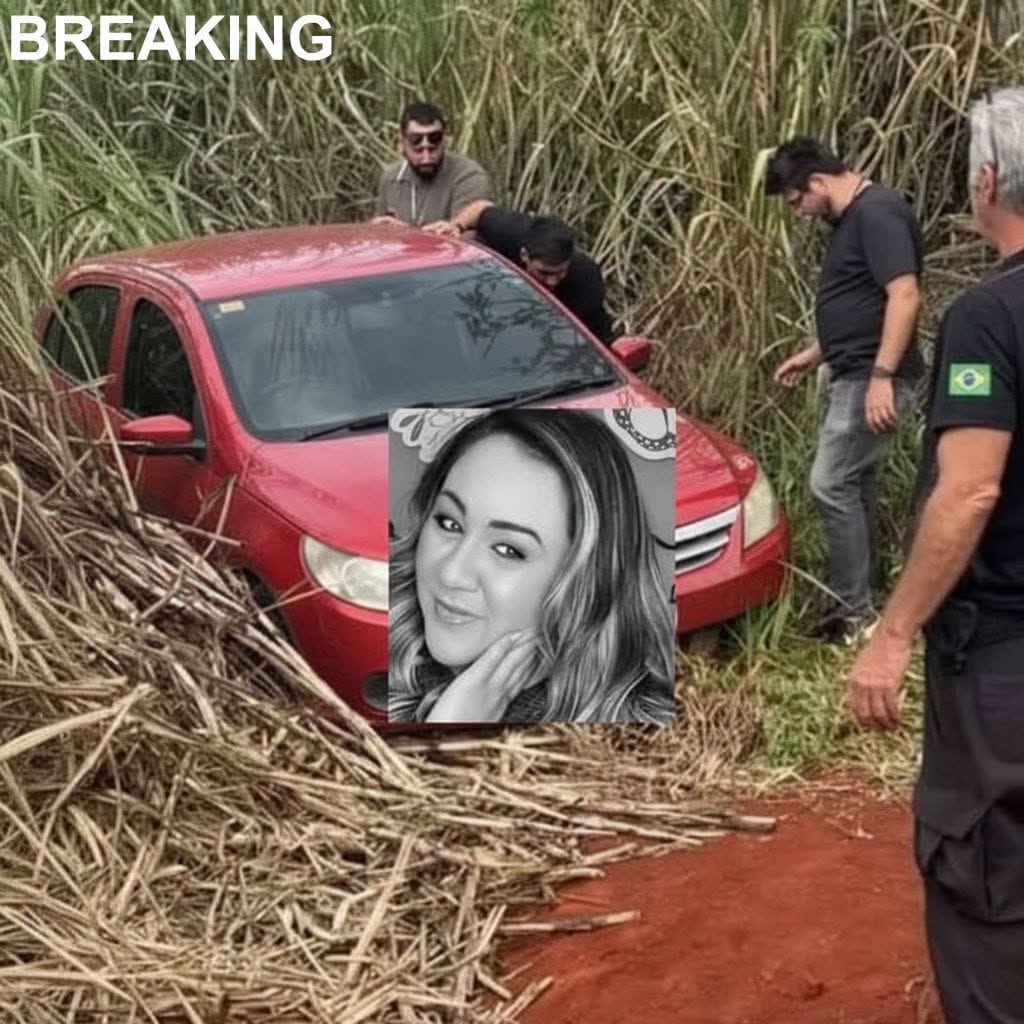
When the phone rang, it didn’t feel real at first. For Raisa’s family, it was a sound they had rehearsed in their minds a thousand times over the past two months, always followed by disappointment, always followed by another sleepless night. But this time, the words on the other end were different. She had been found. She was alive.
For a moment, time seemed to stop.
After sixty days of uncertainty, fear, and unanswered questions, the relief was immediate and overwhelming. It arrived like a sudden storm breaking after a long drought—sharp, emotional, and impossible to fully process. Tears came before thoughts, embraces before explanations. The search that had consumed every hour of their lives had finally reached an end, but what followed was not the clean resolution they had imagined. Instead, it was something far more complicated.
Because Raisa had been found, but the story of where she had been remained unclear.
The details were sparse, carefully withheld, and fragmented. Authorities confirmed her recovery, but offered little about the circumstances of her disappearance or what she had experienced during the weeks she was missing. That silence created a different kind of tension—one not filled with panic anymore, but with questions that refused to settle.
In the days leading up to this moment, the entire community had become part of the search. Flyers had covered shop windows and street poles. Social media feeds had turned into constant streams of her face, shared and reshared by people who had never met her but felt connected to her story anyway. Volunteers had walked through fields, parks, and quiet roads, hoping for any sign that might lead them closer to answers.
Now, those same streets feel different.
The urgency has faded, but not the emotion. Instead, it has been replaced by a heavy quietness, as if the entire town is collectively holding its breath. People who once spoke openly about theories and fears now lower their voices, aware that the situation is no longer about speculation but about a real person returning from an experience no one yet fully understands.
For Raisa’s family, the emotional contrast is almost impossible to describe.
One moment defined by despair, the next by relief. One reality replaced by another, without warning or transition. They are grateful beyond words, yet cautious about what comes next. Because survival, while miraculous, does not erase the unknown. It only shifts the focus toward it.
What happened during those missing weeks remains unanswered.
And those unanswered questions linger in the space between relief and recovery.
Friends and neighbors who once gathered in search efforts now find themselves stepping back, respecting the family’s request for privacy. There is an unspoken understanding that healing cannot happen under pressure, and that some truths take time to surface in their own way. The same people who once shouted her name across open fields now wait quietly, trusting that clarity will come when it is ready.
In the meantime, the community is learning how to live in this in-between space.
Not in crisis anymore, but not yet in closure either.
There is gratitude, but it is layered with uncertainty. There is relief, but it is tempered by concern for what Raisa may be carrying back with her. People speak softly about resilience, about how quickly life can change, about how fragile safety can be. But beneath those conversations is a deeper awareness: that some stories do not end when someone is found.
They begin again in a different form.
Raisa’s return has also reopened broader conversations about disappearance, recovery, and the emotional toll such cases leave behind—not only on families, but on entire communities. When someone vanishes, time stretches in strange ways. Every hour feels heavier. Every rumor feels louder. Every hope feels more fragile. And when that person returns, the emotional timeline does not simply reset. It fractures, carrying both relief and unanswered memory side by side.
For those who followed her story from the beginning, there is now a shift from action to reflection. The urgency to search has been replaced by the patience to wait. The visible campaign of posters and posts has quieted, but it has not disappeared entirely. Instead, it has transformed into something more subdued: conversations behind closed doors, private messages of support, and a shared understanding that healing is not instant.
Raisa herself remains at the center of it all, though her voice is not yet part of the public narrative. Whether she chooses to speak in time or remain private is a question that only she and her family can answer. For now, the focus remains on stability, safety, and the slow process of understanding what comes next.
Outside that circle, life is beginning to return to its usual rhythm, but not in the same way as before. People pass the places where her photo once hung and remember the urgency that once filled those corners. There is a lingering awareness that ordinary days can shift without warning, and that behind every missing-person poster is a life suspended between uncertainty and hope.
What remains most powerful in the aftermath is not the ending of the search, but the emotional weight of what it took to get there. The sleepless nights, the collective effort, the shared fear, and now the fragile relief—all of it forming a story that does not resolve easily.
Raisa has been found alive, and that alone is enough to bring gratitude.
But the story is no longer just about finding her.
It is about what it means to return from being lost, and how a community learns to live with the silence that follows.