Most people move through their day without giving much thought to the objects surrounding them.
You grab a pen, open a soda can, hang up a shirt, or climb into your car without ever asking why certain parts were designed the way they were. A tiny hole, a strange groove, an extra pocket, or a mysterious line often seems completely meaningless.
But many of these small details exist for a reason.
Some were created to improve safety. Others solve problems most people never notice. A few date back more than a century and continue to appear even though their original purpose has nearly been forgotten.
Once you learn the hidden functions behind these common objects, it becomes difficult to look at them the same way again.
The hole in a pen cap is one of the best examples.
At first glance, it appears completely unnecessary. Yet manufacturers introduced this feature after concerns about choking hazards. If someone accidentally swallows a pen cap, the opening can allow a small amount of airflow, reducing the risk of complete airway blockage. It is a tiny design feature that has potentially saved countless lives.
The hole in a soda can tab serves another hidden purpose.
Many people assume it simply helps lift the tab, but it was actually designed to hold a drinking straw in place. By rotating the tab after opening the can, the straw can slide through the opening and stay centered while you drink.
Drivers often overlook another useful detail sitting directly in front of them.
The small arrow beside the fuel pump symbol on a car’s dashboard tells you which side of the vehicle contains the gas tank. This feature becomes especially helpful when driving rental cars or unfamiliar vehicles.
One quick glance can save an embarrassing stop at the wrong pump.
Even the margins on notebook paper have an unexpected history.
Today, they help organize writing and improve readability, but centuries ago they served another purpose entirely. Rodents frequently damaged stored documents by chewing along the edges. The margins created a protective area that preserved the important information written in the center.
Glass bottles also reveal thoughtful engineering.
The long necks on soda and beer bottles were designed to encourage people to hold the bottle by the neck rather than the body. This prevents body heat from warming the liquid too quickly, keeping drinks colder for longer periods.
Many kitchen tools contain hidden features as well.
The hole in the end of a pot handle is not simply for hanging the pot. It can also hold a stirring spoon while cooking, preventing sauce-covered utensils from resting directly on countertops.
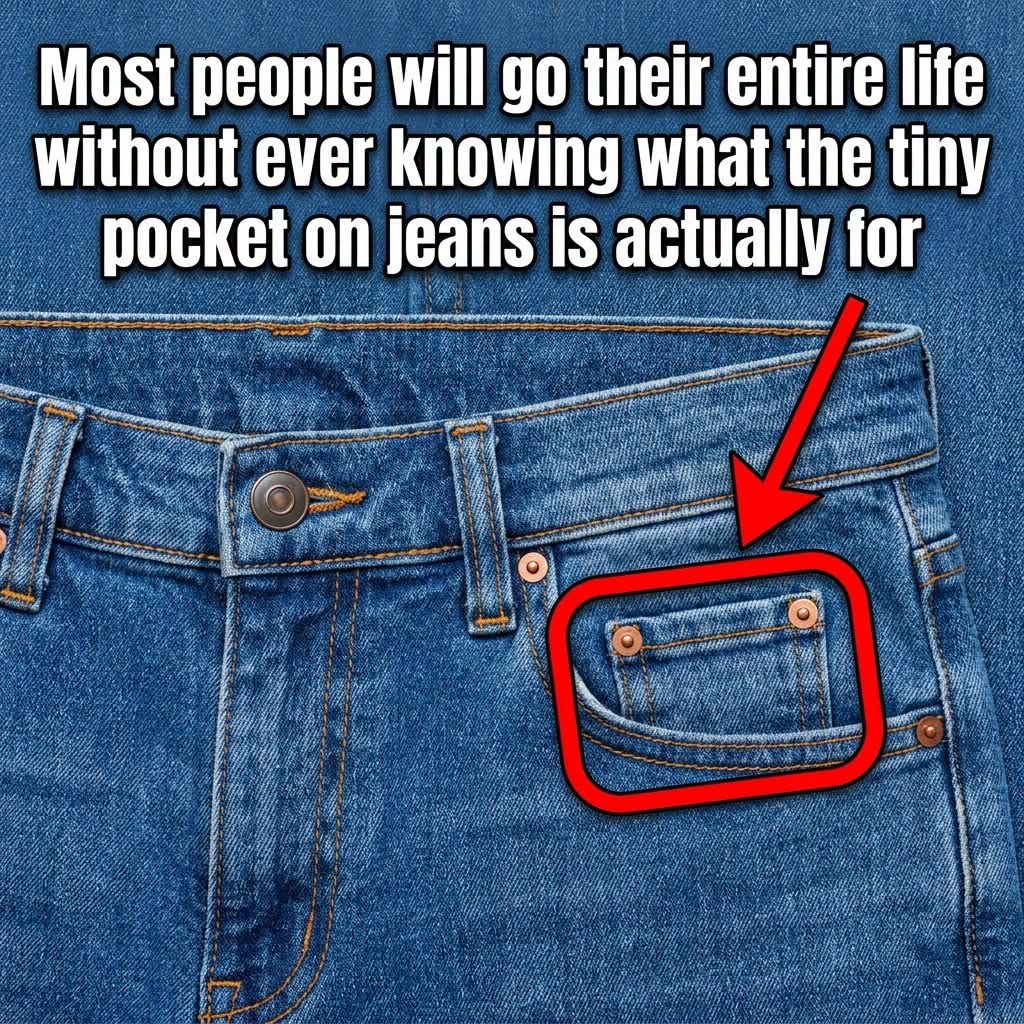
The small fifth pocket on jeans has puzzled generations of wearers.
Today it often seems too tiny to hold anything useful, but when denim manufacturers first introduced it, the pocket was specifically designed to carry pocket watches safely. Although pocket watches have largely disappeared, the small pocket remains as a reminder of fashion history.
Red plastic party cups also contain surprising details.
The raised lines found on many cups roughly correspond to common serving sizes for different beverages. While not intended as precise measurements, they can help estimate portions for various drinks.
Pasta lovers may discover that their spaghetti spoon has been helping them all along.
The hole in the center of many pasta ladles is often designed to measure a single serving of dry spaghetti. By placing uncooked noodles through the opening, cooks can estimate appropriate portions without using measuring cups.
Wooden hangers serve purposes beyond appearance.
Cedar wood was traditionally used because its natural oils help repel insects such as moths. The pleasant scent and pest-resistant properties protected valuable clothing long before modern closets and chemical treatments became common.
Padlocks also contain a hidden safeguard.
The tiny hole located near the bottom of many locks allows water to drain if the lock becomes exposed to rain or moisture. It also provides access for lubrication, helping prevent rust and mechanical failure.
Fast-food sauce containers hide a clever trick.
The folded edges of many ketchup cups can be pulled outward, greatly expanding the container’s capacity. Instead of dipping fries into a narrow cup, the wider opening makes it easier to access the sauce.
Extra buttons and fabric patches included with clothing often create confusion.
Many people assume the fabric exists to repair damaged clothing, but manufacturers originally intended it for testing detergents, bleach, or cleaning methods. This allows owners to see how products affect the material before washing the entire garment.
Chinese takeout containers may be one of the smartest designs of all.
The folded cardboard boxes can be unfolded completely, transforming into flat plates that eliminate the need for additional dishes. The design combines transportation, storage, and serving into a single container.
Car headrests contain an emergency feature that many drivers never realize exists.
On certain models, removable headrests can be used to break side windows during emergencies. The metal rods can help shatter glass if passengers become trapped inside a vehicle.
These design choices reveal something fascinating about everyday life.
Most objects around us were created by people who spent years solving problems that many users never notice. Engineers, designers, and manufacturers often hide solutions inside ordinary items, making life easier without requiring anyone to think about the details.
Over time, the original reasons sometimes disappear.
Technology changes.
Habits evolve.
The problems these features solved may no longer exist.
Yet the designs remain.
The tiny pocket survives long after pocket watches disappeared.
Bottle necks remain even though refrigeration is common.
Paper margins continue protecting pages even though rodents rarely destroy documents.
Some features stay because they still work.
Others remain because people simply became accustomed to them.
What makes these hidden functions so interesting is not merely the information itself.
It is the reminder that ordinary objects are often more thoughtful than they appear.
Every groove, notch, hole, fold, and extra piece may have a story behind it.
Someone noticed a problem.
Someone searched for a solution.
Someone changed a design in a way that millions of people now use every day without realizing why.
The next time you pick up a pen, open a soda can, put on a pair of jeans, or grab a cooking spoon, you may find yourself looking more closely.
Suddenly, the objects that once seemed ordinary become small examples of human creativity.
The hidden details surrounding us every day are not accidents.
They are quiet solutions, built into the world so seamlessly that most people never notice them.
Until now.