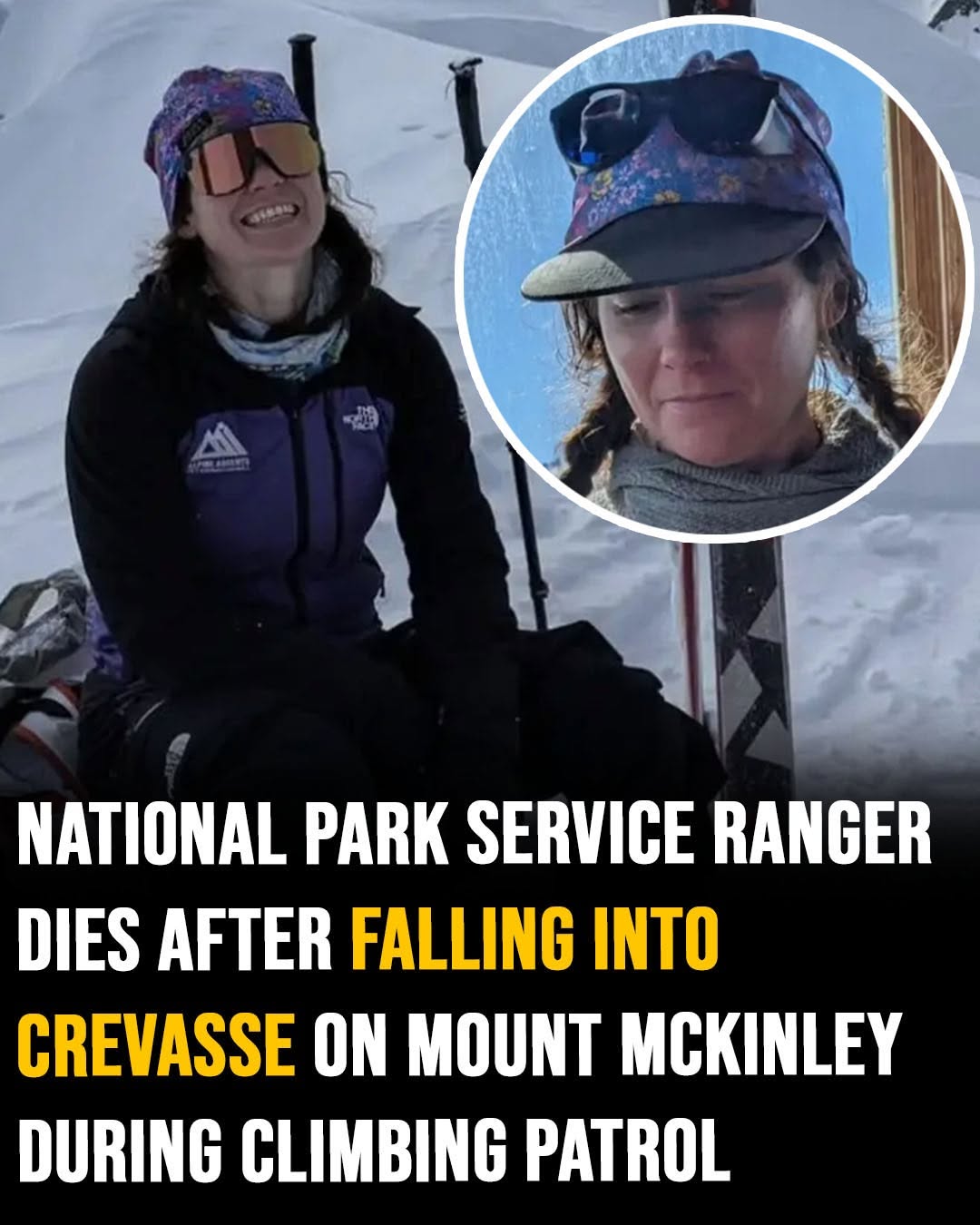
For those who work on North America’s tallest mountain, danger is never an abstract concept. It is present in every gust of wind, every shifting snowfield, and every step taken across terrain that can change without warning.
The mountain known today as Denali has inspired generations of climbers with its breathtaking beauty and immense challenge, but it has also earned a reputation for demanding respect from everyone who enters its frozen landscape.
Among those who understood that reality better than most was 33-year-old seasonal National Park Service ranger Robin Pendery. Passionate about the outdoors and dedicated to helping others safely navigate one of the most extreme environments on Earth, Pendery spent her days assisting climbers, monitoring conditions, and responding to emergencies on the mountain she loved.
Friends and colleagues say she embraced the challenges of the job with enthusiasm and professionalism. Working at high altitude in severe weather conditions requires not only technical skill but also extraordinary physical and mental endurance. Those who knew Pendery describe her as someone who met those demands willingly, driven by a deep appreciation for wilderness and a commitment to public service.
During the climbing season, Denali attracts adventurers from around the world. Many arrive hoping to stand atop the iconic summit, but success on the mountain is never guaranteed. Unpredictable storms, freezing temperatures, avalanches, altitude sickness, and hidden crevasses create a landscape where conditions can change dramatically within minutes.
For rangers stationed on the mountain, daily responsibilities often involve helping climbers understand those risks. They provide guidance, monitor routes, coordinate rescues, and serve as a critical safety resource for visitors attempting one of the world’s most demanding climbs.
Pendery was assigned to the 14,000-foot camp, one of the busiest and most important locations on the mountain. The camp serves as a staging area for climbers preparing for higher elevations and often becomes the center of emergency response operations when accidents occur.
From this remote outpost, surrounded by ice and snow, rangers work long hours under physically demanding conditions. Every day presents new challenges, and every decision can have serious consequences.
Despite the risks, many rangers view the work as a privilege.
For Pendery, the opportunity to spend time in the wilderness while helping others pursue their dreams represented the perfect combination of passion and purpose. She joined a community of individuals who share a profound respect for the mountain and a willingness to serve in difficult circumstances.
On a Thursday afternoon, however, tragedy struck.
According to reports, Pendery was conducting duties in the area when she fell into a crevasse. These deep cracks in glacial ice are among the mountain’s most dangerous hazards. Some remain visible and can be avoided, while others become concealed beneath snow bridges that appear solid but can collapse unexpectedly under weight.
Even experienced mountaineers understand that crevasses pose a constant threat.
On glaciers throughout the world, these hidden openings have claimed the lives of climbers, guides, and rescuers despite years of experience and extensive safety training.
In Pendery’s case, the accident unfolded with devastating speed.
What had begun as a routine patrol quickly turned into an emergency. Fellow rangers and rescue personnel immediately mobilized, racing against time and difficult conditions to reach her.
In the mountains, every rescue operation carries its own risks. Weather, terrain, and altitude often complicate even the most carefully planned responses. Teams must balance urgency with safety while navigating some of the harshest environments imaginable.
Those involved in the response worked tirelessly in hopes of reaching Pendery.
But despite their efforts, the mission ultimately became a recovery operation.
News of her death sent shockwaves through the National Park Service community and among climbers familiar with Denali’s unique challenges. Tributes quickly began appearing from colleagues, friends, and outdoor enthusiasts who recognized both her dedication and the sacrifices associated with the job.
Many described her as an essential member of the mountain community.
Within the ranger corps, the term “Denali family” carries special meaning. Life on the mountain creates bonds forged through shared hardship, mutual trust, and an understanding of risks that few people ever experience firsthand.
When tragedy strikes, that sense of family becomes especially important.
Colleagues remembered Pendery not only as a skilled ranger but also as a compassionate teammate who cared deeply about the people around her. Her commitment to helping climbers, her professionalism under pressure, and her positive attitude left a lasting impression on those fortunate enough to work beside her.
Her death also served as a painful reminder of the mountain’s unforgiving nature.
Denali has long been regarded as one of the world’s most challenging peaks. Its extreme weather, massive elevation gain, and remote location combine to create conditions that can test even the most experienced climbers.
Over the decades, numerous accidents have occurred on the mountain despite advances in equipment, forecasting, and rescue capabilities.
The dangers extend far beyond summit attempts.
Even routine travel across glaciers requires constant vigilance. Hidden crevasses can remain invisible beneath snow-covered surfaces, creating hazards that are difficult to detect until it is too late.
The loss of Pendery came during an already difficult period for the climbing community.
Only days earlier, three climbers from Latvia reportedly lost their lives on the same mountain, further underscoring the inherent risks associated with high-altitude mountaineering. Each tragedy serves as a sobering reminder that even preparation, experience, and caution cannot eliminate every danger.
Yet despite the risks, people continue to come.
Every climbing season brings a new wave of adventurers determined to challenge themselves against one of nature’s most formidable landscapes. They arrive inspired by the mountain’s beauty, its history, and the sense of accomplishment that comes with attempting such a demanding ascent.
And each season, rangers return as well.
They return knowing the mountain’s reputation.
They return understanding the dangers.
They return because they believe in helping others navigate those challenges safely.
For many, that commitment represents a form of service rarely visible to the broader public.
Rangers on Denali operate far from city streets and crowded visitor centers. Their workplace is a world of ice, wind, and isolation. Their responsibilities often involve making difficult decisions under extraordinary circumstances.
Most visitors will never fully appreciate the sacrifices required.
Yet individuals like Robin Pendery accepted those demands willingly.
Her life reflected a passion for wilderness, adventure, and public service. She dedicated herself to protecting others in one of the world’s harshest environments, understanding that every day on the mountain carried uncertainty.
Those who knew her say that dedication defined who she was.
While her passing has left an immense void among friends, family, colleagues, and the climbing community, her legacy endures through the countless people she helped and the example she set through her work.
The mountain remains.
The glaciers continue to move.
Future climbers will arrive seeking their own journeys.
And the rangers who watch over them will continue carrying forward a tradition of courage, professionalism, and service that Robin Pendery embodied until her final day.
In the end, she lost her life doing what she loved most: helping others in a place she deeply respected. For those who shared the mountain with her, that memory will remain long after the snow has covered the traces of the season and the winds have carried away the footprints left behind.