For generations, the British royal family has existed in a strange space between reality and mythology. To some, they are symbols of tradition and continuity, carefully preserving rituals that stretch back centuries.
To others, they are celebrities wrapped in crowns, navigating scandals, rivalries, and relentless public scrutiny beneath the polished surface of palace life. That tension between image and reality is exactly what makes the growing popularity of the “Reign Check” podcast so fascinating to listeners around the world.
Hosted by royal commentator Amanda Matta and British journalist Michael Panter, the podcast has quickly become one of the most talked-about shows covering the modern monarchy. Rather than treating the royal family with automatic reverence or blind hostility, the hosts approach royal headlines with a mix of sharp analysis, historical context, humor, and skepticism. The result is a show that feels less like a lecture about monarchy and more like an ongoing conversation about power, family, image, and survival in the modern age.
What separates “Reign Check” from traditional royal coverage is its willingness to examine not just what the palace says, but why it says it. Every statement, public appearance, carefully staged photograph, and leaked story is treated as part of a much larger narrative machine. The podcast explores how the monarchy has spent decades shaping its image while simultaneously struggling to adapt to a world that no longer automatically accepts institutions without question.
The timing of the podcast’s rise is no coincidence. The British monarchy is currently navigating one of the most uncertain periods in its modern history. Queen Elizabeth II represented stability for millions of people across the globe. For over seventy years, she embodied continuity, discipline, and duty. Even many critics of the monarchy respected her ability to maintain composure through political crises, family scandals, and changing public attitudes.
But after her death, the institution entered unfamiliar territory. King Charles III inherited not only the throne, but also enormous expectations and growing public skepticism. While Charles spent decades preparing for kingship, his reign began under the shadow of economic anxiety, political division, and intense scrutiny surrounding the royal family itself.
“Reign Check” repeatedly returns to this central question: can the monarchy still command loyalty in a world that increasingly challenges inherited power?
Amanda Matta approaches the topic from the perspective of someone deeply familiar with internet culture and modern celebrity analysis. Her commentary often focuses on how royal narratives spread online and how younger audiences interpret royal behavior differently than previous generations. Meanwhile, Michael Panter brings a more traditional journalistic perspective, grounding discussions in British political history, media culture, and constitutional realities.
Together, their chemistry gives the podcast an unusual balance. They are critical without sounding cruel, informed without becoming overly academic, and entertaining without reducing serious issues into gossip alone. Listeners are drawn in not simply because of royal scandals, but because the hosts frame those scandals as reflections of larger cultural changes.
One recurring theme throughout the show is the enduring influence of Princess Diana. Decades after her death, Diana remains one of the most emotionally powerful figures connected to the monarchy. The podcast explores how her legacy continues to shape public perceptions of nearly every royal family member today.
According to the hosts, Diana transformed the monarchy by making it emotionally accessible in ways the institution was never fully prepared to handle. Her openness, vulnerability, and global popularity created a model of royal celebrity that still defines expectations today. Yet the podcast also argues that Diana’s relationship with the royal machine exposed deep institutional tensions between authenticity and control.
That shadow still lingers over Prince William and Prince Harry, whose fractured relationship has become one of the defining royal stories of the modern era. “Reign Check” examines how the brothers once represented the future of a more relatable monarchy before public conflict and media warfare reshaped their relationship in dramatic ways.
Rather than framing the situation as simple heroes and villains, the hosts explore how grief, public pressure, institutional expectations, and media attention created conditions that gradually pushed the brothers apart. The podcast frequently emphasizes that royal life is not simply glamorous privilege; it is also an environment where image management often competes with personal freedom.
The show also spends significant time analyzing how women inside the royal family are treated differently from their male counterparts. From Diana to Sarah Ferguson to Meghan Markle to Kate Middleton, the podcast highlights how royal women often become symbolic battlegrounds for larger cultural debates involving race, class, beauty, motherhood, tradition, and public behavior.
One of the reasons listeners find the podcast compelling is its refusal to pretend the monarchy exists outside modern celebrity culture. The hosts frequently compare palace media strategies to Hollywood public relations campaigns, arguing that the royal family survives partly because it has learned how to evolve alongside modern media ecosystems.
Social media has only intensified this dynamic. In previous generations, royal narratives were filtered through newspapers and television broadcasts. Today, every gesture, expression, or public appearance can become viral content within minutes. “Reign Check” explores how this constant exposure has transformed the monarchy into a 24-hour spectacle where perception often matters as much as reality.
The podcast also examines the monarchy’s complicated relationship with politics. Although the Crown is expected to remain politically neutral, royal symbolism inevitably intersects with debates about nationalism, colonial history, inequality, and national identity. The hosts discuss how younger generations increasingly question whether hereditary institutions still belong in democratic societies.
At the same time, the show acknowledges why many people remain deeply attached to the monarchy. For supporters, the royal family represents continuity in a rapidly changing world. Ceremonies, traditions, and symbols provide a sense of national identity that transcends political parties and election cycles.
This tension between criticism and fascination sits at the heart of “Reign Check.” The podcast does not demand that listeners either worship or despise the monarchy. Instead, it encourages people to think critically about why the royal family continues to command so much global attention.
Part of that fascination comes from the deeply human elements hidden beneath the crowns and ceremonies. At its core, the royal family is still a family one navigating grief, rivalry, pressure, loyalty, resentment, and expectation under the harshest spotlight imaginable. That contradiction between privilege and emotional vulnerability is what keeps audiences endlessly invested.
Listeners also appreciate the podcast’s dark humor and conversational tone. Royal scandals that might otherwise feel repetitive are reframed through witty commentary and cultural analysis, making even familiar headlines feel fresh again. The hosts understand that the monarchy can be simultaneously serious, absurd, tragic, and entertaining all at once.
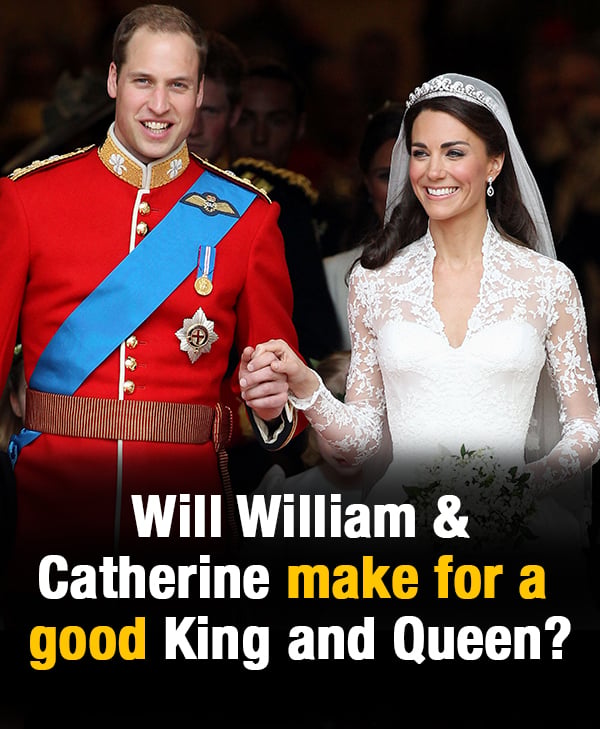
As the institution moves further into the reign of King Charles III, uncertainty continues to surround its future. Questions about relevance, modernization, succession, and public trust remain unresolved. Prince William and Catherine are widely viewed as the monarchy’s strongest long-term hope, yet even they operate within an environment shaped by intense scrutiny and shifting cultural expectations.
Meanwhile, Prince Harry and Meghan Markle continue to exist both inside and outside the royal narrative, simultaneously connected to and separated from the institution that helped define them. Their story remains one of the most divisive and emotionally charged chapters in recent royal history, and “Reign Check” regularly explores its evolving impact on the monarchy’s public image.
Ultimately, the success of the podcast reflects something larger than celebrity curiosity. It reveals how modern audiences no longer passively consume royal mythology. People want context, contradiction, analysis, and honesty. They want to understand not only what the monarchy represents, but whether those representations still make sense in the twenty-first century.
“Reign Check” thrives because it recognizes that the British royal family is no longer protected by mystery alone. In today’s world, every institution must constantly justify itself before a skeptical public. And for the House of Windsor, that challenge may prove more difficult than any crisis it has faced before.