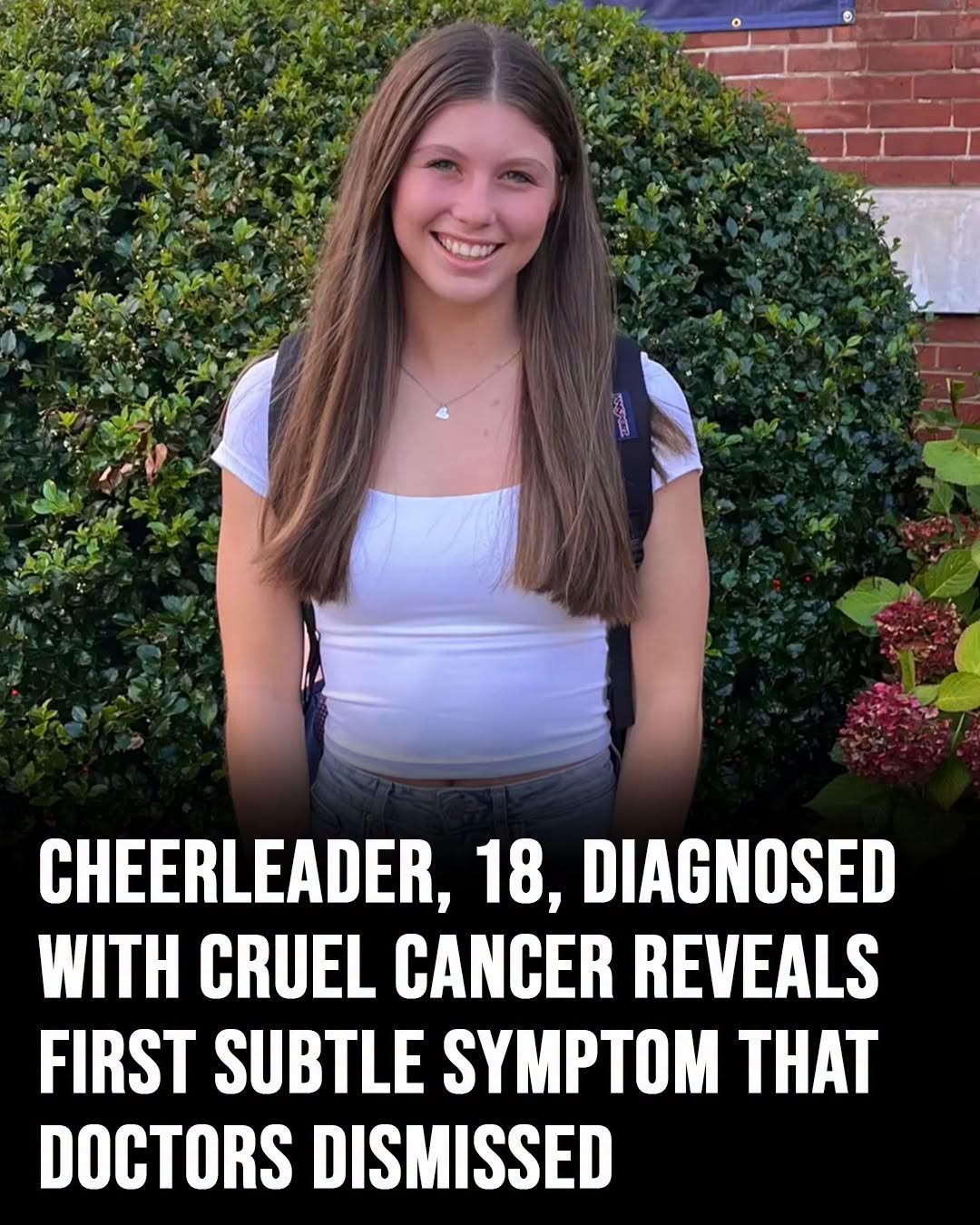
At 18 years old, Kelly was living the kind of life many teenagers dream about. Her days were filled with movement, energy, and the excitement of chasing goals she had worked hard to achieve. She was a cheerleader, an athlete, and someone who was used to pushing her body further than most people ever would.
She knew what soreness felt like.
She knew what exhaustion felt like.
She knew what it meant to recover after a difficult practice.
So when pain started appearing, it was easy to believe it was just another part of being active.
Like many young athletes, Kelly assumed the discomfort would eventually disappear. She thought maybe she had overworked herself, strained something during training, or simply needed more time to recover. There was nothing that immediately suggested something much more serious was happening inside her body.
But the pain continued.
What started as something she could ignore slowly became something impossible to overlook. The discomfort began affecting the activities she loved most. The same movements that once felt natural became harder. The strength and confidence she had built through years of cheerleading were suddenly challenged by a pain she could not explain.
Eventually, medical tests revealed the truth that would change everything.
Kelly was diagnosed with osteosarcoma, a rare and aggressive form of bone cancer.
In an instant, the future she had imagined looked completely different.
The teenager who had spent years training, performing, and staying active was suddenly facing hospital rooms, medical appointments, and treatments instead of practices and competitions. Her world shifted from cheering under bright lights to sitting through chemotherapy sessions and waiting for answers.
For someone so young, the diagnosis brought fears that no teenager should have to carry.
Would she ever be able to dance again?
Would she be able to return to the activities that made her feel like herself?
Would her body recover?
Would the dreams she had worked toward still be possible?
These questions followed her through every stage of treatment.
Osteosarcoma is a serious type of bone cancer that often affects children, teenagers, and young adults. Because it develops in the bones, it can sometimes be mistaken for common sports injuries, growing pains, or everyday aches. For active young people, the warning signs may be especially easy to dismiss because discomfort is often considered part of training.
For Kelly, the diagnosis transformed something ordinary into something frightening.
The pain that once seemed like an inconvenience became a sign of a battle she never expected to face.
Treatment brought a new routine.
Instead of preparing for performances, Kelly prepared for chemotherapy. Instead of focusing on competitions, she focused on getting through each appointment, each difficult day, and each new challenge placed in front of her.
Chemotherapy tested her physically and emotionally.
There were days when the exhaustion felt overwhelming. Days when the uncertainty was heavier than the treatment itself. Days when the future seemed impossible to predict.
But through it all, Kelly continued fighting.
Her strength was not measured by whether she was always positive or never afraid. Her strength came from continuing even during the moments when she had every reason to feel discouraged.
For Kelly and her family, every small victory mattered.
Getting through another treatment.
Making it through another difficult day.
Taking another step forward.
Those moments became reminders that progress does not always happen in dramatic ways. Sometimes survival is built through tiny victories that happen quietly.
Eventually, the time came for one of the most important moments in her treatment journey: surgery to remove the tumor.
The procedure represented both fear and hope.
Removing the cancer was not just a medical step. It represented the possibility of reclaiming a part of the life that had been interrupted. It represented a chance for Kelly to begin imagining a future beyond hospital visits and treatment schedules.
When the tumor was successfully removed, it became a powerful symbol of everything she had endured.
It was proof that the months of fear, pain, and uncertainty had led somewhere.
But even after such a major milestone, the journey was far from simple.
Cancer treatment affects entire families, not only the person receiving care. The emotional pressure is enormous, and the financial burden can become overwhelming. Medical appointments, treatments, transportation, and recovery expenses can create challenges that continue long after the initial diagnosis.
As Kelly and her family continue navigating life after such a life-changing experience, they have turned to support from their community through a GoFundMe campaign. The fundraiser represents more than financial assistance. It represents the kindness of people coming together to help a young woman rebuild her future.
Kelly’s story has touched many because it highlights something important that is often forgotten: young people can appear healthy while facing serious health challenges.
Athletes especially are often expected to push through pain.
They are taught to be tough.
They are encouraged to keep going.
But sometimes pain is not something to overcome.
Sometimes it is something to listen to.
Kelly’s experience serves as a reminder that persistent pain should never automatically be ignored, especially when something feels different from normal soreness or injury.
The body communicates in many ways, and paying attention can make a difference.
Today, Kelly’s journey is not defined only by cancer.
It is defined by courage, determination, and the refusal to let one diagnosis take away everything she is.
The cheerleader who once measured success through routines and performances discovered a different kind of strength one built through patience, resilience, and hope.
Her path has been far more difficult than she ever imagined, but she continues moving forward one step at a time.
And with every step, she carries a message that reaches far beyond her own story:
Listen to your body.
Take your pain seriously.
And never underestimate the strength it takes to fight for the life you still want to live.