For decades, millions of Americans living with serious mental health conditions have searched for treatments that could finally provide lasting relief. Veterans coping with post-traumatic stress disorder, individuals battling severe depression, and patients struggling with anxiety have often spent years moving from one medication to another, hoping the next prescription would succeed where the previous one had failed.
For many, that breakthrough never came.
Traditional medications have helped countless people, but they have also left others trapped in an exhausting cycle of appointments, dosage adjustments, side effects, and disappointment. Some patients respond well, while others continue to experience debilitating symptoms despite trying nearly every available option.
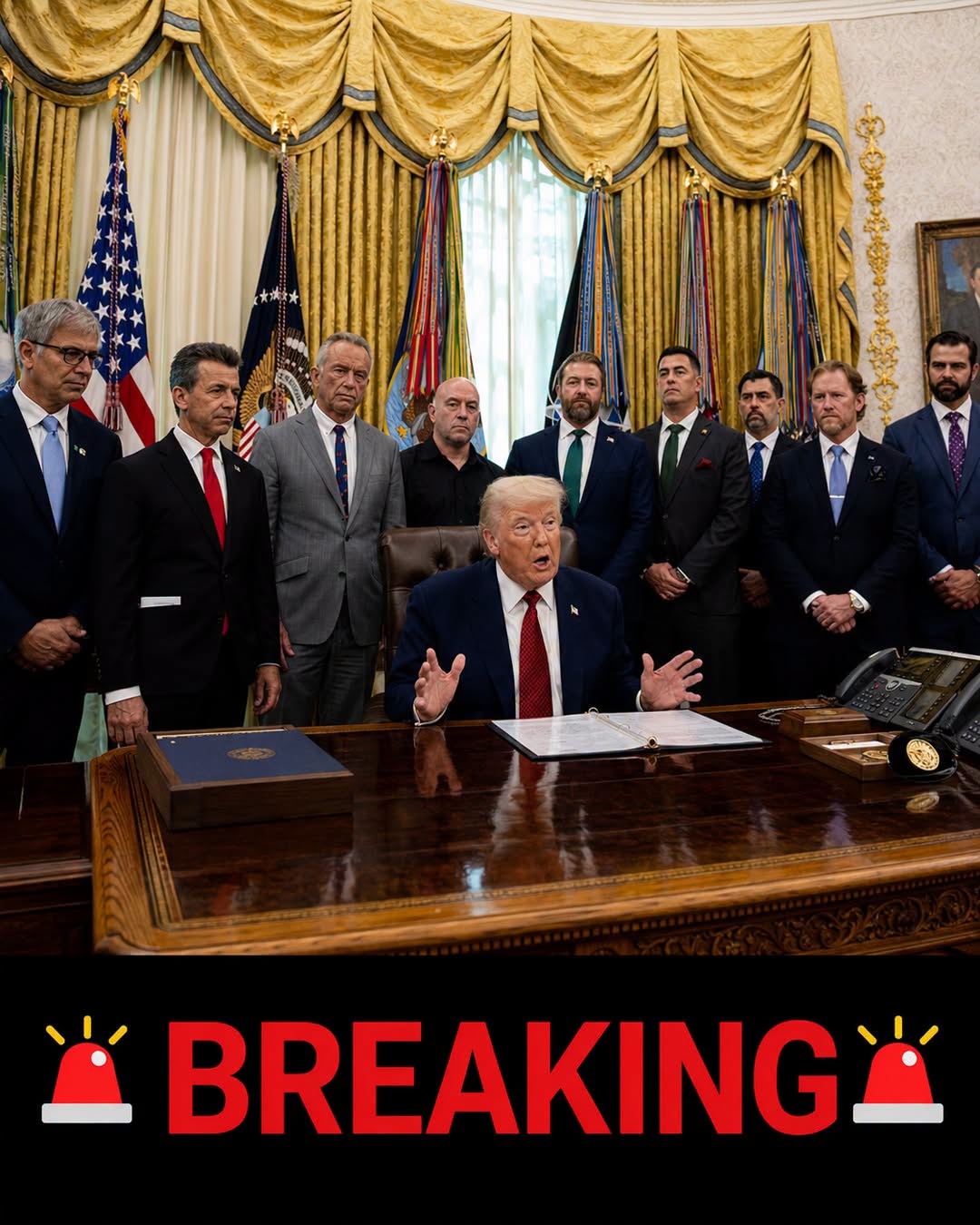
Now, a newly signed executive order has placed one of the most controversial subjects in modern medicine directly into the national spotlight.
The order, signed by President Donald Trump, aims to speed up the federal review process for certain experimental mental health treatments, particularly those involving psychedelic compounds that researchers believe may hold extraordinary therapeutic potential.
Supporters have praised the move as a bold attempt to modernize mental health care.
Critics, however, warn that accelerating approvals could introduce unnecessary risks if scientific caution gives way to political urgency.
The announcement has sparked one of the most passionate debates in recent years about the future of psychiatric medicine.
For decades, substances such as psilocybin, MDMA, and other psychedelic compounds were viewed almost exclusively through the lens of recreational drug use and criminal enforcement. Their medical potential received relatively little attention after research largely stalled during the latter half of the twentieth century.
That has changed dramatically over the past several years.
Universities, hospitals, and medical research organizations around the world have begun conducting carefully controlled clinical trials exploring whether these substances might help patients suffering from conditions that have proven resistant to conventional therapies.
Some of the early findings have surprised even experienced researchers.
Several studies have reported significant improvements in symptoms among carefully selected patients receiving psychedelic-assisted therapy under strict medical supervision.
Although researchers continue emphasizing that much larger studies are still necessary, these early results have fueled growing optimism within parts of the medical community.
The executive order seeks to accelerate the evaluation process for certain treatments that have already received breakthrough therapy designation from the U.S. Food and Drug Administration.
Breakthrough designation does not mean a treatment has been approved.
Instead, it recognizes that preliminary evidence suggests a therapy may offer substantial improvement over existing options for serious medical conditions.
The designation allows regulators and developers to work more closely together in hopes of bringing promising treatments to patients more quickly while maintaining scientific oversight.
Trump’s order directs federal agencies to prioritize these reviews, particularly when they involve mental health conditions affecting military veterans and others with severe psychological illnesses.
Veterans have become central to the conversation surrounding the order.
Many former service members continue living with PTSD, depression, traumatic brain injuries, and anxiety years after leaving active duty.
For some, conventional treatments provide meaningful improvement.
Others continue experiencing nightmares, flashbacks, emotional numbness, and suicidal thoughts despite years of therapy and medication.
Advocacy organizations representing veterans have increasingly called for expanded research into innovative treatment options.
Some argue that patients facing life-threatening psychological illnesses should not have to wait years while promising therapies navigate lengthy regulatory processes.
Supporters believe the executive order could shorten that timeline.
They argue that accelerating research does not necessarily mean abandoning safety standards.
Instead, they see the initiative as removing unnecessary bureaucratic delays while preserving scientific evaluation.
Many physicians involved in psychedelic research share cautious optimism.
They emphasize that psychedelic-assisted therapy differs significantly from unsupervised recreational drug use.
Clinical sessions typically involve carefully screened patients, precisely measured doses, trained therapists, and extensive preparation before treatment begins.
Patients remain under continuous medical observation throughout the experience.
Researchers stress that the therapy combines the medication with structured psychological support rather than relying on the drug alone.
This distinction, they argue, is essential.
However, not everyone is convinced.
Critics caution that the enthusiasm surrounding psychedelic therapies may be growing faster than the available scientific evidence.
While several studies have produced encouraging results, many experts believe additional large-scale trials remain necessary before widespread approval should occur.
Some worry that political momentum could unintentionally pressure regulators to move more quickly than the science justifies.
Others fear that public excitement could create unrealistic expectations among vulnerable patients desperate for relief.
Mental health specialists note that no treatment works for everyone.
Even if psychedelic therapies ultimately receive broader approval, they are unlikely to replace existing medications or psychotherapy entirely.
Instead, they would likely become one option among many available treatments.
There are also practical questions that remain unresolved.
Because psychedelic-assisted therapy requires highly trained professionals, specialized treatment settings, and lengthy supervised sessions, providing widespread access may prove challenging.
Insurance coverage, therapist training, patient eligibility, and long-term monitoring all remain important issues requiring careful planning.
Medical ethicists have likewise raised concerns regarding informed consent, patient safety, and ensuring consistent treatment standards across different healthcare providers.
These discussions are expected to continue regardless of how quickly regulatory reviews progress.
Despite the controversy, the executive order has undeniably shifted public conversation.
Mental health, once surrounded by stigma and silence, has become a far more visible national issue.
The growing willingness to discuss PTSD, depression, anxiety, and suicide has encouraged researchers to explore treatment approaches that previous generations rarely considered.
For many families affected by severe mental illness, even the possibility of new options offers hope.
Hope, however, must be balanced with realism.
Scientists repeatedly emphasize that research remains ongoing.
No single therapy represents a universal solution, and every potential treatment must undergo rigorous testing to establish both effectiveness and long-term safety.
The FDA continues serving as the primary regulatory authority responsible for evaluating clinical evidence before approving any medication for public use.
The executive order does not eliminate those responsibilities.
Rather, it seeks to prioritize reviews for therapies considered especially promising.
Whether that approach ultimately benefits patients or introduces new challenges remains a subject of intense debate.
Meanwhile, researchers continue conducting clinical trials across the country.
Each study adds another piece to a rapidly evolving understanding of how the brain responds to these unconventional therapies.
The coming years may determine whether psychedelic-assisted treatment becomes one of the most significant breakthroughs in psychiatric medicine—or whether the excitement surrounding it ultimately proves greater than its clinical impact.
For veterans living with invisible wounds, families supporting loved ones through relentless depression, and patients who have exhausted nearly every available treatment, the conversation extends far beyond politics.
It is about possibility.
It is about science.
Most importantly, it is about whether modern medicine can finally provide new answers for people who have spent years waiting for hope to become reality.