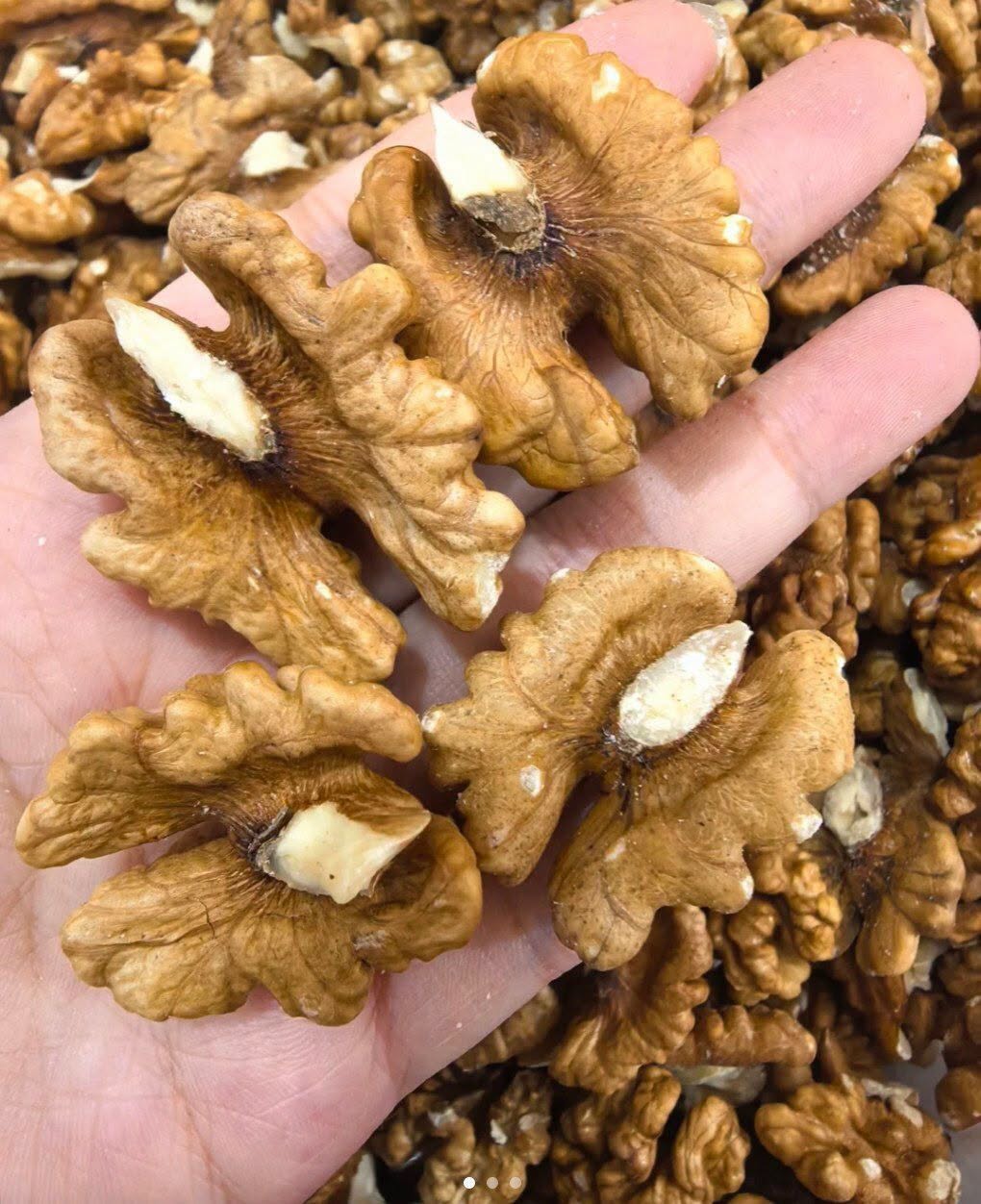
At first glance, walnuts may seem like nothing more than a simple snack sitting quietly in a bowl.
They are small.
They are ordinary.
They are easy to overlook.
But hidden beneath their rough shell is a powerful combination of nutrients that has made them one of the most respected foods in discussions about long-term health.
For generations, walnuts have been valued not only for their rich flavor but also for their impressive nutritional profile. Today, scientists continue studying how this humble nut can support important systems throughout the body, from the heart and brain to digestion and overall energy levels.
What makes walnuts so special is not one single ingredient.
It is the way several beneficial compounds work together.
Healthy fats, antioxidants, minerals, plant compounds, and fiber combine to create a food that can provide meaningful support when included as part of a balanced diet.
A small handful may look insignificant, but the benefits can add up over time.
One of the most important features of walnuts is their high content of plant-based omega-3 fatty acids.
Unlike many common snack foods that contain unhealthy fats, walnuts provide alpha-linolenic acid, a type of omega-3 fat associated with cardiovascular health.
These healthy fats help support the normal function of blood vessels and may contribute to maintaining healthier cholesterol levels.
Over time, poor dietary choices and chronic inflammation can place stress on the cardiovascular system. The arteries can become less flexible, and unhealthy cholesterol patterns may increase the risk of problems.
Walnuts offer nutrients that help the body maintain balance.
Their omega-3 fats are believed to play a role in calming inflammatory processes that can gradually damage blood vessels.
This does not mean that eating walnuts alone can prevent disease, but it shows how small daily habits can contribute to protecting the body over the years.
Heart health is not built from one major decision.
It is created through countless small choices repeated consistently.
Adding nutrient-rich foods like walnuts is one simple step toward a more supportive eating pattern.
Another reason walnuts stand out is their impressive supply of antioxidants.
Every day, the body naturally produces molecules called free radicals. When levels become too high, they can contribute to oxidative stress, which may damage cells over time.
Walnuts contain plant compounds, including polyphenols, that help the body defend itself against this type of stress.
These compounds work quietly in the background, supporting the body’s natural protective systems.
The benefits of antioxidants extend beyond one specific area.
They are part of a larger network that helps maintain healthy cells and supports normal aging.
This is one reason walnuts are often included in discussions about foods associated with long-term wellness.
But the benefits of walnuts do not stop with the heart.
The brain is another area where these nutrients may play an important role.
The brain depends heavily on healthy fats to maintain its structure and function. Because walnuts contain omega-3 fatty acids and other beneficial plant compounds, researchers have explored their connection to cognitive health.
Some studies have linked regular walnut consumption with improvements in areas related to memory, concentration, and mental performance.
While no single food can guarantee sharper thinking or prevent age-related changes, a diet rich in nutrient-dense foods can provide the building blocks the brain needs.
The connection between nutrition and mental well-being is becoming increasingly recognized.
The brain and body constantly communicate, and what we eat can influence energy levels, mood, and overall function.
Walnuts may also support digestive health thanks to their natural fiber content.
Fiber plays an important role in maintaining a healthy gut environment. It helps regulate digestion and provides nourishment for beneficial bacteria living inside the digestive system.
These bacteria are essential partners in human health.
A balanced gut microbiome has been linked to many aspects of wellness, including immune function and metabolism.
By providing fiber and plant compounds, walnuts can help support a healthier internal environment.
Another reason many people appreciate walnuts is their ability to help control hunger.
Unlike highly processed snacks that can leave people wanting more shortly after eating, walnuts contain a combination of healthy fats, protein, and fiber that promotes satisfaction.
A small portion can help reduce cravings and make it easier to avoid unnecessary snacking.
This makes walnuts a practical choice for people looking for simple ways to improve their eating habits.
They can be added to many meals without requiring major changes.
A handful in the morning can add texture and nutrients to breakfast.
They can be sprinkled over oatmeal, yogurt, or fruit.
They can bring extra flavor and crunch to salads.
They can also serve as a satisfying afternoon or evening snack.
Their versatility makes them easy to include in everyday routines.
However, like many nutritious foods, portion size matters.
Walnuts are calorie-dense, meaning a small amount contains a significant amount of energy.
A moderate serving is usually enough to enjoy their benefits without adding excessive calories.
The goal is not to eat unlimited amounts.
The goal is consistency.
A small daily habit can often be more valuable than occasional extreme changes.
The true power of walnuts comes from their ability to fit naturally into a healthy lifestyle.
They do not require complicated preparation.
They do not need expensive supplements or special recipes.
They are simply a whole food that provides a wide range of valuable nutrients.
In a world filled with processed foods and quick solutions, walnuts represent something much simpler.
A small, natural choice that supports the body in multiple ways.
Their healthy fats support the heart.
Their antioxidants help protect cells.
Their nutrients support brain function.
Their fiber helps maintain digestive health.
Their satisfying nature can help manage cravings.
Together, these qualities make walnuts far more than an ordinary snack.
They are a reminder that powerful health habits do not always need to be complicated.
Sometimes, meaningful changes begin with something as simple as adding a handful of walnuts to your daily routine.
Small choices repeated over time can become powerful investments in long-term health, energy, and resilience.