Public restrooms are so deeply woven into daily life that most people use them without a second thought. Whether in office buildings, shopping centers, airports, train stations, or roadside stops, these facilities are part of modern convenience that we rarely question.
We expect them to be there, we expect them to function, and we expect them to be reasonably clean. But hygiene experts warn that familiarity can sometimes create a false sense of safety, especially when it comes to small details that are easy to overlook.
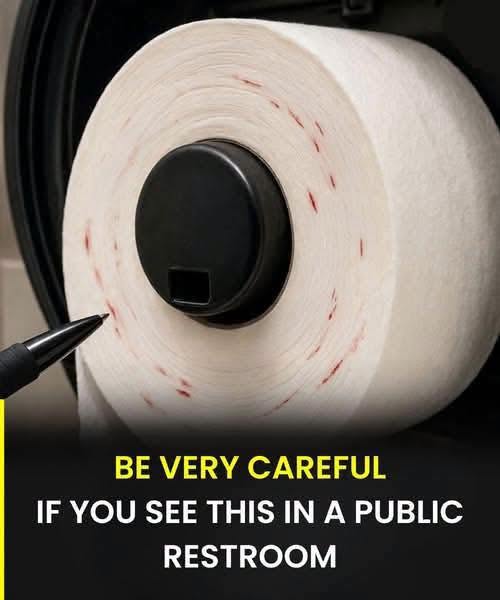
One of the most underestimated warning signs, according to hygiene specialists, is the condition of toilet paper in public restrooms. At first glance, it may seem like an insignificant detail. After all, toilet paper is just toilet paper, right? But experts argue that its appearance, texture, and condition can sometimes reveal more about a restroom’s cleanliness than people realize.
A roll that appears slightly discolored, damp, or marked in unusual ways might not just be a cosmetic flaw. In busy public facilities, toilet paper is exposed to constant environmental factors throughout the day. High humidity levels, repeated handling, aerosol particles from flushing toilets, and general foot traffic can all affect its condition. In some cases, poor maintenance or inadequate restocking procedures may also contribute to contamination risks that are not immediately visible.
At first, a small stain or mark might look harmless. It could be mistaken for manufacturing defects, dust, or simple wear from storage. However, hygiene professionals point out that certain discolorations or wet spots may indicate that the paper has been exposed to moisture or touched by unclean hands. In environments where hundreds or even thousands of people pass through daily, even minor contact can create opportunities for bacteria transfer.
What makes this particularly concerning is the fact that many microorganisms are completely invisible to the human eye. A sheet of toilet paper may appear clean, soft, and safe to use, while still carrying microscopic contaminants. This creates a false impression of safety, where visual cleanliness does not always match actual hygiene conditions.
Experts emphasize that contamination does not automatically mean immediate illness. The human immune system is capable of handling many everyday exposures. However, repeated contact with contaminated surfaces, especially in environments where hygiene standards fluctuate, may increase the overall risk of minor infections or irritation over time.
For this reason, hygiene specialists often recommend paying attention to subtle warning signs before using restroom supplies. If toilet paper appears damp, unusually textured, discolored, or exposed in a way that feels questionable, it may be safer to avoid using that particular portion. In many cases, simply moving to a different stall or selecting a fresh supply can significantly reduce potential exposure.
Beyond toilet paper itself, public restrooms contain multiple high-contact surfaces that are frequently touched throughout the day. Door handles, faucet knobs, flush levers, soap dispensers, and stall locks are all points where bacteria can accumulate. Even when facilities are regularly cleaned, these surfaces can quickly become recontaminated due to constant use.
Humidity also plays a role in restroom hygiene. Moist environments can encourage microbial growth, especially in poorly ventilated spaces. Combined with frequent use, this creates conditions where surfaces may not always appear dirty, even when they require cleaning.
Because of these factors, experts advise adopting simple but consistent hygiene habits rather than relying solely on appearance. Checking the condition of toilet paper, avoiding visibly damp or stained materials, and ensuring hands are properly washed afterward are all considered basic preventive steps.
Hand hygiene remains one of the most effective defenses against germs encountered in public spaces. Thorough handwashing with soap and water helps remove invisible contaminants that may be picked up from surfaces inside the restroom. While hand sanitizers can be useful in situations where washing facilities are unavailable, they are generally considered less effective than proper washing when hands are visibly or potentially contaminated.
Some hygiene professionals also recommend carrying personal hygiene items when frequently using public facilities. Travel packs of tissues, wipes, or pocket sanitizers can provide an extra layer of protection in situations where restroom supplies are questionable or insufficient. These small precautions can be especially useful for travelers, commuters, and individuals who regularly rely on public infrastructure.
At the same time, experts caution against developing excessive fear or anxiety around public restrooms. The goal is not to avoid them entirely or to treat every surface as dangerous, but rather to remain aware of basic hygiene principles. Most public facilities operate safely and are regularly cleaned, but occasional lapses in maintenance can occur anywhere.
Another important aspect of maintaining restroom hygiene is communication. If a facility is clearly lacking essential supplies such as soap or paper, or if cleanliness standards appear significantly below acceptable levels, notifying staff or management can help improve conditions for everyone. In many cases, maintenance teams are unaware of issues until they are reported.
This shared responsibility contributes to better overall hygiene standards in public spaces. When users and facility managers both participate in maintaining cleanliness, the result is a safer and more comfortable environment for all visitors.
Ultimately, staying safe in public restrooms is less about paranoia and more about awareness. Small observations, such as the condition of toilet paper or the cleanliness of frequently touched surfaces, can help individuals make informed decisions in real time. Combined with proper hand hygiene, these simple habits form a practical approach to everyday health protection.
Experts stress that there is no need to overanalyze every detail of a restroom environment. Instead, the focus should be on consistency: noticing obvious signs of poor hygiene, taking simple precautions when needed, and maintaining good personal hygiene practices after each visit.
In a world where public facilities are unavoidable, awareness becomes the most reliable tool. By paying attention to subtle indicators like toilet paper condition and overall restroom cleanliness, individuals can reduce unnecessary risk while continuing to use shared spaces confidently and responsibly.