The roar of engines has always been part of Kyle Busch’s identity. For more than two decades, the sound of his car screaming around racetracks across America symbolized intensity, talent, controversy, and undeniable greatness.
Whether fans loved him or loved to root against him, one thing was impossible to deny: when Kyle Busch was on the track, NASCAR felt bigger, louder, and more alive.
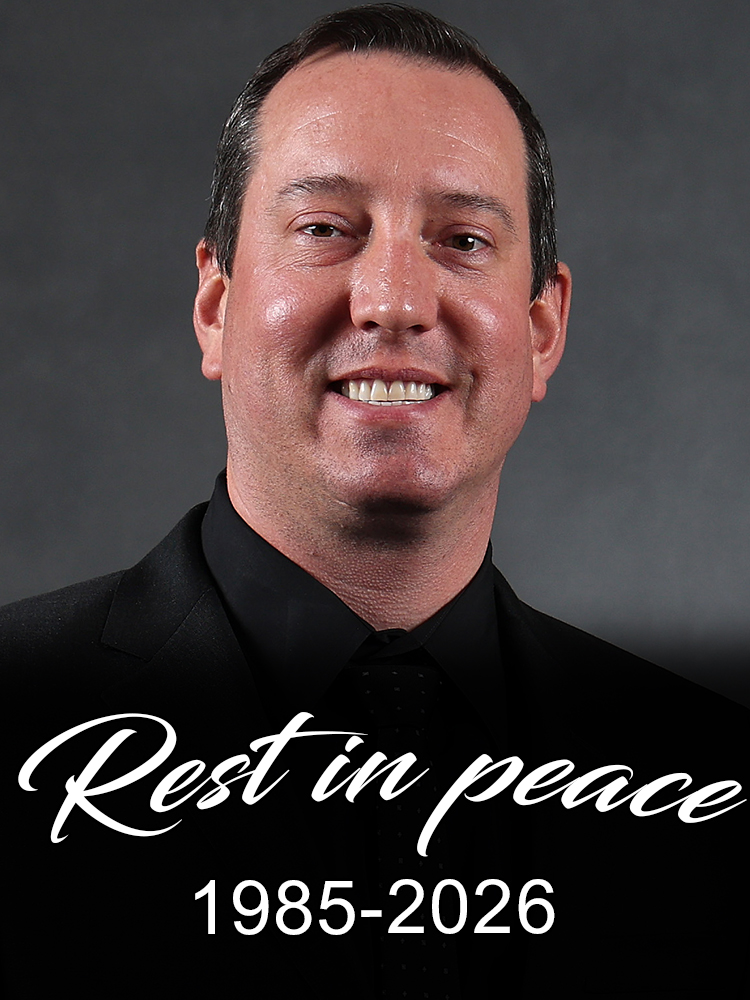
Now, the racing world is struggling to process heartbreaking news that has left fans stunned and emotional. Reports surrounding the sudden passing of the legendary NASCAR driver at just 41 years old have sent shockwaves through garages, grandstands, and racing communities everywhere. Conversations that once centered on championships, rivalries, and victories have suddenly turned toward grief, remembrance, and the painful realization that one of the sport’s most unforgettable personalities is gone far too soon.
For millions of fans, Kyle Busch was never just another driver. He was “Rowdy.” A competitor who raced with relentless aggression and unmatched confidence. He embraced the boos as much as the cheers, understanding better than almost anyone that passion fuels motorsports. If crowds screamed his name with anger, he often smiled wider. If they celebrated him, he gave them even more reason to believe he was one of the greatest drivers of his generation.
Born in Las Vegas, Nevada, Kyle Busch’s journey into racing began almost before he was old enough to understand what competition truly meant. Like many future champions, he started in small racing divisions, learning the craft while still a child. Alongside his older brother Kurt Busch, another future NASCAR champion, Kyle developed a fierce competitive edge that would later define his entire career.
From the beginning, people noticed something different about him. He drove with fearlessness. While other young drivers sometimes hesitated entering corners or avoided risky passes, Kyle attacked every lap as if losing simply was not an option. That intensity helped him rise quickly through racing ranks, eventually reaching NASCAR’s national stage while still incredibly young.
Once he arrived, he wasted no time making an impact.
Kyle Busch became one of the most successful drivers of the modern NASCAR era, collecting victories across multiple series and building a resume few competitors could match. His ability behind the wheel often seemed almost supernatural. On some weekends, he looked untouchable, carving through the field with a precision and aggression that frustrated rivals and thrilled fans.
But what truly separated Busch from many other champions was his personality.
He never tried to be universally loved. In an era where athletes are often trained to deliver polished, carefully managed public images, Kyle remained unapologetically emotional and brutally honest. He argued over team radios. He challenged reporters. He showed frustration openly after losses and intense joy after victories. That authenticity made him one of the most polarizing figures in sports.
Some fans saw arrogance. Others saw honesty.
Some saw a villain. Others saw a fiercely driven competitor refusing to hide his emotions.
No matter where people stood, they watched. Because Kyle Busch made racing impossible to ignore.
Throughout his career, he built one of the most passionate fan bases in NASCAR. “Rowdy Nation” became more than a nickname. It became an identity shared by supporters who admired his refusal to conform and his relentless hunger to win. They followed him through championship celebrations, heartbreaking crashes, suspensions, controversies, and comebacks.
And there were many unforgettable moments.
His two NASCAR Cup Series championships cemented his place among the sport’s all-time elite. His incredible number of wins across NASCAR’s top divisions broke records and sparked endless debates about where he ranked historically among racing legends. Even critics who disliked his attitude often admitted they were witnessing one of the most naturally gifted drivers ever to sit behind the wheel.
Yet away from the spotlight and competition, another side of Kyle Busch gradually became more visible over the years.
Fans watched him become a husband and father. They saw emotional victory lane celebrations where he embraced his children with tears in his eyes. They saw moments of vulnerability rarely associated with the aggressive racer known for his fiery temper. Interviews that once focused entirely on racing strategy slowly began including conversations about family, fatherhood, and life beyond the track.
For longtime fans, those moments mattered deeply because they revealed the person beneath the helmet.
His relationship with his wife Samantha became a central part of his public life, particularly as the couple openly discussed personal struggles, including fertility challenges and the emotional journey of building their family. Their honesty connected with many people far beyond the racing community and showed a softer side of a man often misunderstood by the public.
That balance between intensity and tenderness became part of what made Kyle Busch such a compelling figure.
Inside the car, he was ruthless.
Outside it, he could be thoughtful, funny, protective, and deeply emotional.
As news of his reported passing spread, tributes flooded social media from every corner of the sports world. Fellow drivers, team owners, broadcasters, mechanics, and longtime rivals all expressed shock and sadness. Even competitors who spent years battling him fiercely on the track acknowledged the enormous impact he had on NASCAR and motorsports as a whole.
Fans shared old race clips, interviews, and photographs that captured different eras of his career. Some remembered iconic victories. Others remembered heated rivalries or controversial moments that became part of NASCAR history. Many simply remembered growing up watching him race every weekend, unable to imagine the sport without him.
That is perhaps the hardest part for many people to process.
Kyle Busch felt permanent.
For years, he was simply there charging through traffic, arguing with crews, celebrating wins, frustrating rivals, entertaining audiences, and reminding everyone that racing is emotional by nature. Drivers like him shape the identity of a sport. When they disappear, the absence feels far larger than statistics or championships alone can explain.
In garages across the country, mechanics and drivers know how fragile life can be. Racing has always carried risk, speed, and uncertainty. Yet loss still arrives with shocking force every single time, especially when it involves someone whose presence seemed inseparable from the sport itself.
Beyond the trophies and records, Kyle Busch leaves behind something even more lasting: memory.
Fans will remember hearing his engine thunder down straightaways on summer nights. They will remember dramatic finishes, radio outbursts, rivalries, and celebrations. They will remember the confidence, the controversy, and the relentless desire to win that defined him from the very beginning.
But many will also remember the quieter moments.
The hugs with his children after victories.
The interviews where his guard briefly dropped.
The loyalty of fans who defended him through every criticism and every difficult season.
The realization that behind one of NASCAR’s fiercest competitors stood a husband, father, son, brother, and friend whose life reached far beyond the racetrack.
Legends in sports rarely leave quietly. Their impact lingers long after engines stop and grandstands empty. Kyle Busch’s story became woven into NASCAR history through speed, emotion, and authenticity. He made people react. He made people care. He made people feel something every single time he stepped into a race car.
And perhaps that is the truest measure of greatness.
The records will remain in official books. The championship banners will continue hanging proudly. The highlight reels will replay for future generations of racing fans.
But for those who watched him race in real time, the memory that will endure most strongly is simpler than statistics.
It is the sound.
The unmistakable roar of Kyle Busch charging toward another corner, another battle, another moment that only he could create.