There is something strangely comforting about a plant sitting quietly in the corner of a room. Maybe it rests on a kitchen windowsill catching the morning sun, or perhaps it stands beside the couch like a silent companion watching life unfold day after day.
To outsiders, it may look like simple decoration. But for the people who care for them, houseplants often mean far more than greenery.
They become symbols.
Hope in difficult seasons. Calm in chaotic homes. Tiny reminders that life can still grow even when everything else feels exhausted.
That is why people become emotionally attached to plants in ways they rarely expect. A snake plant in the bedroom, a peace lily near the doorway, a pothos stretching across a shelf, lavender beside the bed — each one quietly carries meaning beyond its leaves. Some people believe certain plants attract luck, peace, abundance, or protection. Others simply enjoy the feeling of bringing something living into their space. But whether the belief is spiritual, emotional, or practical, the deeper truth remains the same: plants change the atmosphere of a home in ways that go beyond science alone.
Part of the appeal comes from the illusion of control they offer in an unpredictable world.
Life often feels noisy, unstable, and overwhelming. Bills arrive. Relationships strain. Stress accumulates silently. Yet inside all that uncertainty, a plant asks for only a few simple things: water, light, patience, and care. In return, it grows slowly before your eyes. That exchange feels grounding in a way modern life rarely does.
People cling to these green rituals because they provide something increasingly rare: evidence that nurturing still matters.
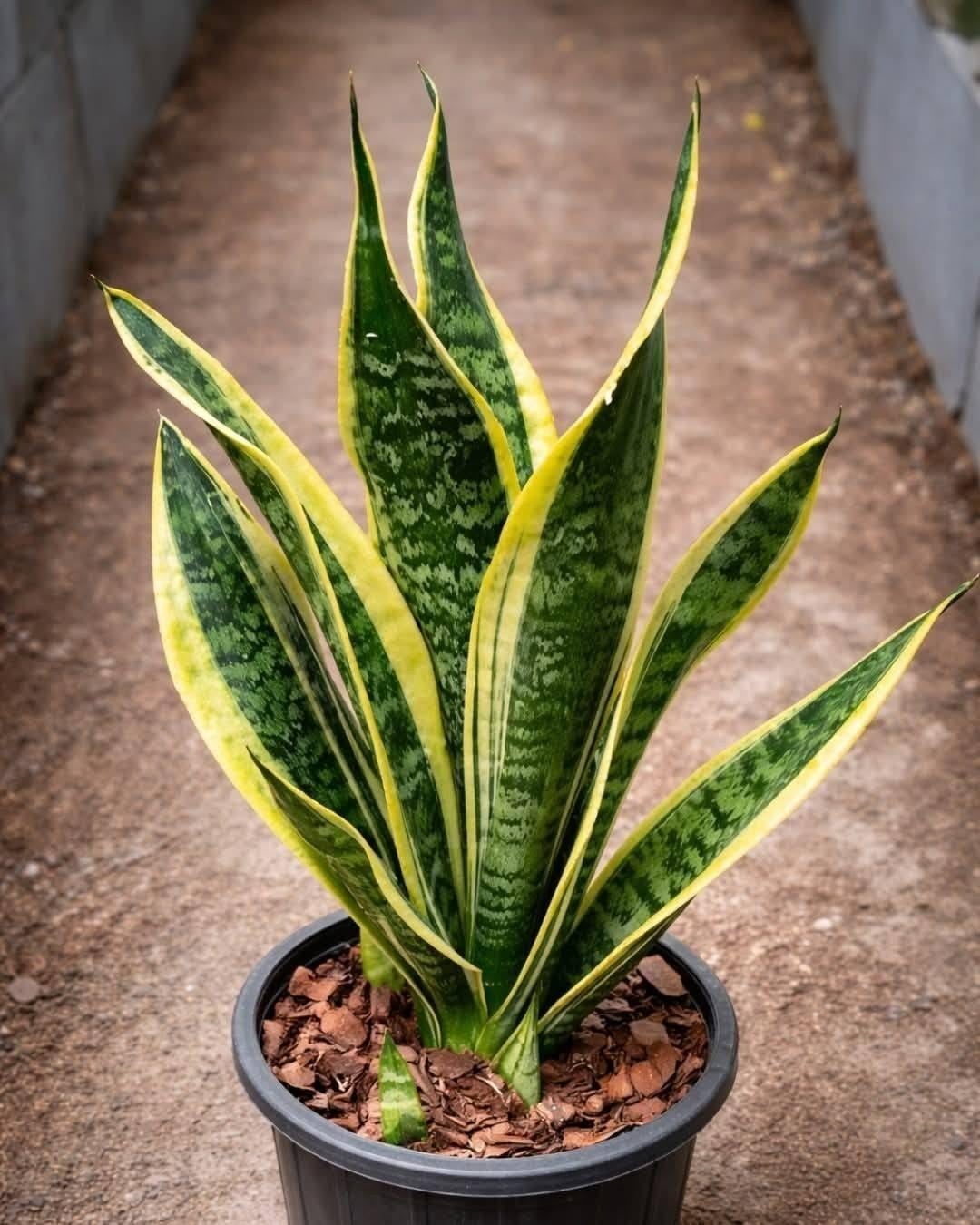
A snake plant standing tall in the corner of a room has become almost legendary online. Some praise it for its air-purifying qualities. Others call it a symbol of protection and resilience. Its upright leaves seem almost stubborn, surviving neglect that would destroy more delicate plants. Perhaps that is why so many people connect with it emotionally. It represents endurance. Quiet survival. The ability to remain standing even under difficult conditions.
The money plant carries a different emotional weight. For generations, people across cultures have associated it with prosperity, luck, and opportunity. Some place it near entrances believing it invites abundance into the home. Others keep it in offices hoping it symbolizes growth and financial stability. Whether those beliefs hold mystical truth matters less than the emotional comfort they provide. The plant becomes a visible reminder that people still hope for better days ahead.
Lavender offers something softer.
Its scent has long been linked to calmness, sleep, and emotional peace. People place it near bedsides not because they expect miracles, but because the simple ritual of caring for something soothing feels healing in itself. In stressful homes, even the smallest sense of tranquility becomes valuable.
Then there are the people whose homes overflow with plants entirely.
Shelves crowded with vines. Windows hidden behind leaves. Tiny pots filling every corner with life. Outsiders sometimes joke about “plant obsession,” but beneath the humor often lies something deeper. For many, caring for plants becomes emotional therapy disguised as a hobby.
Plants ask for consistency.
Water me.
Turn me toward the light.
Notice when I am struggling.
In doing so, they quietly teach people to notice themselves too.
Psychologists have increasingly explored the connection between plants and emotional well-being. Studies suggest greenery may reduce stress, improve mood, and create feelings of calmness. But the emotional impact often extends beyond measurable science. Plants create rhythm. They pull people out of mental spirals and back into physical routines. Even simple acts like trimming leaves, checking soil, or opening curtains for sunlight can become grounding rituals during difficult times.
That is especially true in periods of loneliness or emotional exhaustion.
A plant will not solve depression. It will not erase grief, trauma, or anxiety. But it offers something smaller and perhaps more honest: responsibility without pressure. Presence without judgment. Life continuing quietly in the background even on difficult days.
There is also something symbolic about watching growth happen slowly.
Modern life conditions people to expect instant results. Fast replies. Immediate success. Quick transformations. Plants reject that pace entirely. They grow on their own timeline. Sometimes leaves appear overnight. Other times nothing seems to happen for weeks. Yet beneath the surface, roots continue spreading invisibly.
That mirrors human healing more closely than many realize.
People often become frustrated with themselves for not recovering quickly enough from heartbreak, stress, burnout, or disappointment. Plants remind us that growth is rarely dramatic. Most progress happens quietly, beneath the surface, long before anyone else notices.
Even struggling plants teach valuable lessons.
Yellowing leaves. Drooping stems. Sudden setbacks. These moments force people to pay attention instead of operating on autopilot. They encourage patience rather than perfection. Sometimes the plant recovers beautifully. Sometimes it does not. Either way, the process reflects something deeply human: caring does not always guarantee control, but it still matters.
Interestingly, people often choose plants that reflect emotional needs they cannot easily explain.
Some prefer resilient plants because they themselves feel exhausted and overwhelmed. Others choose flowering plants because they crave beauty or softness in stressful environments. Some surround themselves with greenery because nurturing living things makes them feel connected to something larger than their daily routines.
In many homes, plants quietly become emotional anchors.
They sit beside people during sleepless nights, heartbreak, work stress, illness, and uncertainty. They witness ordinary mornings and difficult conversations without demanding anything in return. Over time, they stop feeling like objects and start feeling like companions woven gently into daily life.
That emotional attachment may sound irrational to some people. But humans have always searched for meaning through nature. Long before modern psychology existed, people understood instinctively that caring for living things changed something inside them. Gardens became places of peace. Forests became places of reflection. Even a single plant beside a window can soften the emotional temperature of a room.
Of course, plants are not magical solutions.
They cannot banish suffering, guarantee wealth, or fix broken lives. Social media sometimes exaggerates their mystical powers, turning ordinary greenery into promises of perfect energy, prosperity, or emotional transformation. Reality is far quieter than that.
But perhaps reality is also more meaningful.
What plants truly offer is presence.
They remind exhausted people to pause. To breathe slower. To notice light changing through a window. To participate in something alive instead of rushing endlessly from task to task. In a world built around constant stimulation and pressure, even that small shift feels powerful.
And maybe that is the real reason people love plants so deeply.
Not because they believe a leaf can magically solve their problems, but because caring for something living gently reconnects them to themselves. The act of watering a plant becomes an act of slowing down. Trimming dead leaves becomes an act of attention. Watching new growth appear becomes proof that difficult seasons do not last forever.
So if you have a plant in your home, perhaps what you really have is not luck, wealth, or mystical energy.
Perhaps you simply have hope still growing quietly in the corner of the room.