Breakfast has long been called the most important meal of the day, the ritual that wakes the body, fuels the brain, and sets the tone for everything that follows.
For millions of people, the morning starts with habits so automatic they barely require thought: a quick drive-thru sandwich on the way to work, a sugary cereal poured into a bowl while checking emails, or a stack of processed breakfast meats sizzling in a pan before sunrise. These meals feel harmless because they are familiar. They are comforting, convenient, and deeply woven into modern routines.
But beneath the rush of morning convenience, health experts are increasingly warning about a quieter problem developing over years rather than days. The foods many people rely on each morning may be placing enormous strain on one of the body’s most important and overlooked systems: the kidneys.
These two small organs rarely get attention until something goes wrong. Hidden beneath the rib cage, the kidneys work continuously every hour of every day, filtering waste from the blood, balancing fluids, regulating blood pressure, and helping maintain the body’s delicate chemical stability. They process roughly 50 gallons of blood daily, performing a task so constant and precise that most people never stop to appreciate it. Unlike muscles that ache after overuse or lungs that burn during exertion, kidneys often suffer silently. Damage can progress for years before symptoms finally appear.
That silence is what makes dietary habits especially dangerous. A single unhealthy breakfast will not destroy kidney function. The real threat comes from repetition: the same sodium-heavy, sugar-loaded, ultra-processed meals consumed over decades. According to health organizations and kidney specialists, some of the most common breakfast choices in modern diets are slowly contributing to high blood pressure, diabetes, chronic inflammation, and eventually Chronic Kidney Disease.
One of the biggest concerns involves the classic “heavy breakfast” built around processed meats. Bacon, sausage, ham, and breakfast patties have become staples of morning culture. They are salty, flavorful, and satisfying, but they also contain staggering amounts of sodium, preservatives, nitrates, and saturated fats.
Sodium is especially harmful because it directly affects blood pressure. The kidneys regulate fluid balance in the body, and excessive salt forces them to work harder to maintain equilibrium. Over time, that strain damages tiny filtering units called nephrons. Imagine forcing a household water filter to run at maximum pressure every day without rest. Eventually, the system begins to break down.
Processed meats also frequently contain inorganic phosphates added to preserve moisture and improve texture. Unlike naturally occurring phosphorus found in vegetables or grains, these additives are absorbed rapidly into the bloodstream. Elevated phosphorus levels have been linked to blood vessel damage and additional kidney stress, particularly in people already vulnerable to renal disease.
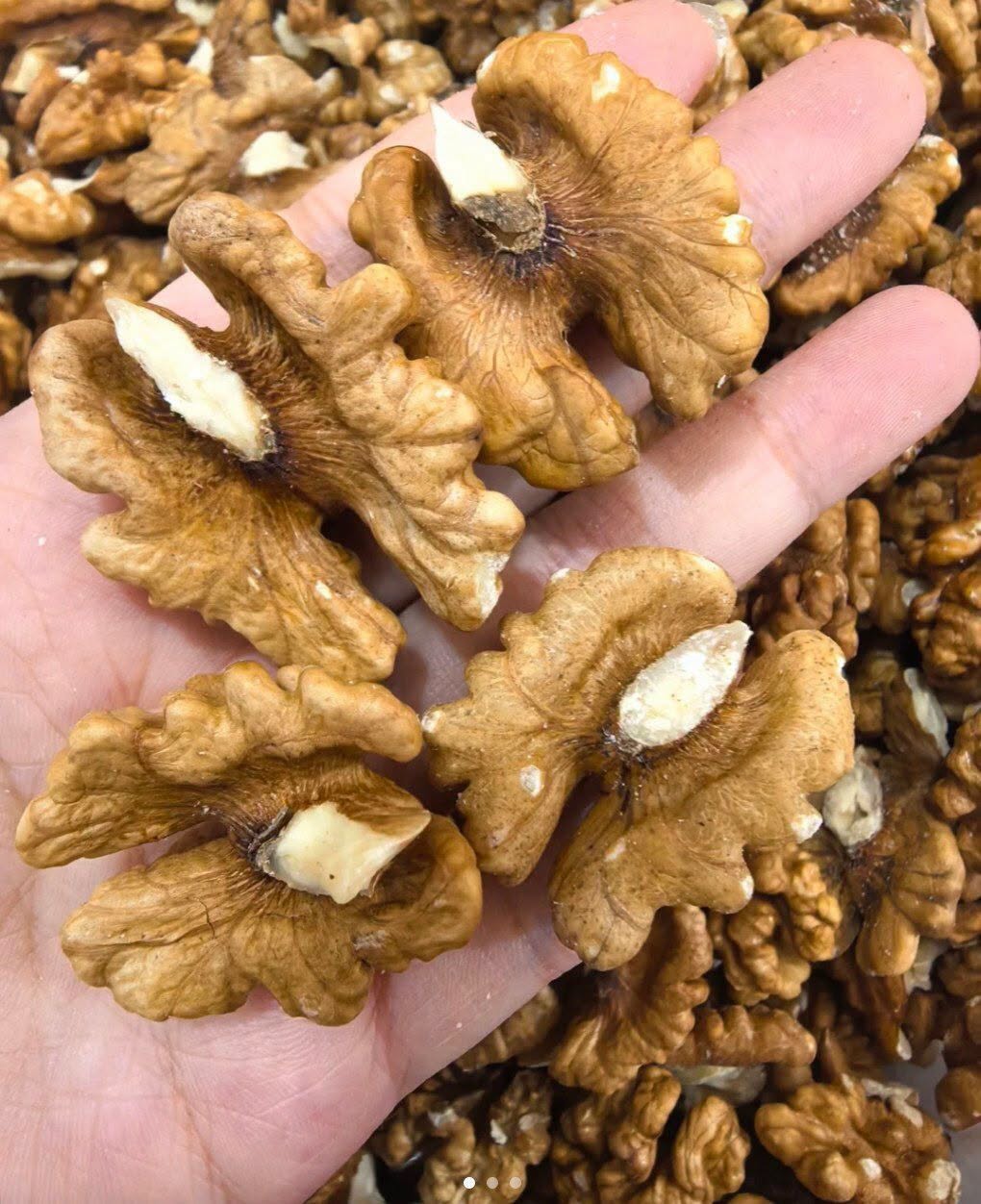
What makes these foods especially deceptive is that they are marketed as “protein-rich” and filling, giving them a health halo despite the long-term burden they place on the body. Kidney experts are not necessarily telling people to eliminate all animal products, but they increasingly encourage cleaner protein sources. Eggs, plain Greek yogurt, cottage cheese, nuts, and plant-based proteins such as lentils or tofu offer protein without the extreme sodium and preservative load.
Another major culprit is the sugar-heavy breakfast that dominates grocery store shelves and coffee shop menus. Sweetened cereals, pastries, frosted waffles, flavored yogurts, donuts, muffins, and white bagels create a rapid spike in blood sugar levels shortly after eating. The body responds with an insulin surge, beginning a cycle that repeated daily can eventually contribute to insulin resistance and Type 2 diabetes.
This matters because diabetes remains one of the leading causes of kidney failure worldwide. Excess glucose damages the tiny blood vessels inside the kidneys, reducing their ability to properly filter waste. Over time, protein begins leaking into urine while toxins accumulate in the bloodstream. The process often develops gradually and invisibly until significant kidney function has already been lost.
Many sugary breakfast foods also contain trans fats, artificial flavorings, and heavily refined oils that increase inflammation throughout the body. Chronic inflammation acts almost like internal friction, wearing down organs slowly but continuously. The kidneys, constantly filtering the bloodstream, absorb much of that burden.
Health experts say the solution is not necessarily eliminating carbohydrates altogether, but choosing slower-digesting foods that stabilize blood sugar instead of overwhelming it. Steel-cut oats, whole grains, chia seeds, berries, nuts, and high-fiber foods release energy more gradually and reduce the stress placed on insulin regulation. Even small substitutions can have a meaningful effect over time.
Then there is what nutritionists increasingly call the “convenience trap.” Modern breakfast culture revolves around speed. Frozen breakfast burritos, microwave sandwiches, instant noodle cups, packaged oatmeal packets, fast-food combos, and shelf-stable snacks promise efficiency for busy lives. But many of these products are loaded with hidden sodium, preservatives, stabilizers, and chemical additives.
People often underestimate how much sodium they consume because they associate salt primarily with chips or fries. In reality, many processed breakfast foods contain more than half of the recommended daily sodium limit in a single serving. Some frozen sandwiches or packaged breakfast meals contain over 1,000 milligrams of sodium before lunchtime even begins.
Ultra-processed foods also expose the kidneys to a constant stream of synthetic compounds the body must metabolize and eliminate. While the liver handles much of the initial processing, the kidneys are heavily involved in clearing the resulting waste products from the bloodstream. A diet built largely around heavily processed foods essentially forces the kidneys into nonstop cleanup duty.
Nutrition experts increasingly emphasize the value of whole foods because the body recognizes and processes them more naturally. A boiled egg, oatmeal with fruit, avocado on whole-grain toast, plain yogurt with nuts, or homemade smoothies may seem simple, but they reduce the chemical burden placed on the kidneys every single day.
Perhaps the most frightening reality about kidney disease is how quietly it develops. Many people do not experience noticeable symptoms until kidney function has declined dramatically. Fatigue, swelling, changes in urination, muscle cramps, or high blood pressure often appear only after significant damage has already occurred.
That delayed warning system is why prevention matters so much. Kidney health is less about dramatic detoxes or miracle diets and more about consistent daily choices repeated over years. The body rarely collapses overnight. More often, it adapts gradually until it can no longer compensate.
Doctors increasingly encourage people to think of breakfast not simply as fuel for the next few hours, but as a long-term investment in organ health. Tiny substitutions made consistently can dramatically alter future outcomes. Choosing fruit instead of pastries, reducing processed meats, drinking more water, or preparing breakfast at home a few days each week may sound minor, but over decades those habits compound powerfully.
The kidneys are remarkably resilient organs, capable of functioning under immense pressure for years. But resilience is not invincibility. Every meal either increases the burden they carry or helps lighten it slightly. Modern breakfast culture often prioritizes convenience, taste, and speed above all else, yet the body ultimately absorbs the hidden cost of those decisions.
The truth is uncomfortable because it turns ordinary routines into something more serious. The breakfast sandwich grabbed on autopilot, the sugary cereal eaten since childhood, the microwave meal consumed during rushed mornings all seem insignificant in isolation. Yet together, repeated thousands of times across a lifetime, they shape the future health of organs most people rarely think about until they begin to fail.
The good news is that prevention does not require perfection. The kidneys do not demand flawless diets or extreme restrictions. They simply benefit from balance, hydration, moderation, and meals built closer to natural ingredients rather than industrial convenience.
Every morning offers another opportunity to make that choice.