Death is one of the few experiences every human being will eventually face, yet it remains surrounded by mystery, fear, and deeply personal questions.
Across cultures and religions, people have always searched for ways to honor the dead while also trying to understand what happens after life ends. Among the many traditions connected to death, cremation continues to be one of the most debated and emotionally charged practices in the world.
For some families, cremation represents peace, simplicity, and spiritual release. For others, it remains uncomfortable or even forbidden because of religious teachings and long-held cultural beliefs. Despite those differences, cremation has steadily become more common in recent years, replacing traditional burial for millions of people around the world.
Still, even as its popularity grows, many people remain uneasy about the process itself.
Part of that fear comes from misunderstanding. Cremation is often discussed in whispers, surrounded by myths and uncertainty that make it feel more frightening than it truly is. Questions about dignity, respect, and spirituality naturally arise when families are grieving someone they love.
That is why a former funeral home employee named Lauren, known online through her TikTok account with millions of followers, decided to openly explain how cremation actually works. Her videos quickly gained attention because she addressed the questions many people feel too uncomfortable to ask aloud.
One concern appears more than any other.
“How do I know the ashes I receive really belong to my loved one?”
For grieving families, that fear can feel overwhelming. The idea of confusion during such an emotional moment is terrifying. Lauren explained that crematories follow strict identification procedures designed to ensure accuracy and dignity throughout the process. When a body arrives, it is assigned a unique metal identification tag. That tag remains with the individual during the entire cremation procedure.
After cremation is complete, the ashes are carefully collected, labeled, sealed, and documented before being returned to the family along with official identification paperwork and certification.
For many people, hearing these details offers unexpected comfort.
The process is far more carefully monitored than most realize.
Lauren also addressed questions that may sound unusual but reflect genuine anxieties people carry during grief. One person asked whether feminine hygiene products are removed if a woman dies during her menstrual cycle. Lauren explained that in cases involving embalming or autopsy procedures, such items are typically removed respectfully according to professional standards and only with appropriate consent.
Though uncomfortable to discuss, these questions reveal something deeply human.
When families lose someone they love, they often focus intensely on physical details because those details become one of the few things they can still control. Grief creates uncertainty, and understanding the process can help reduce fear.
Funeral professionals emphasize that dignity remains central throughout cremation procedures.
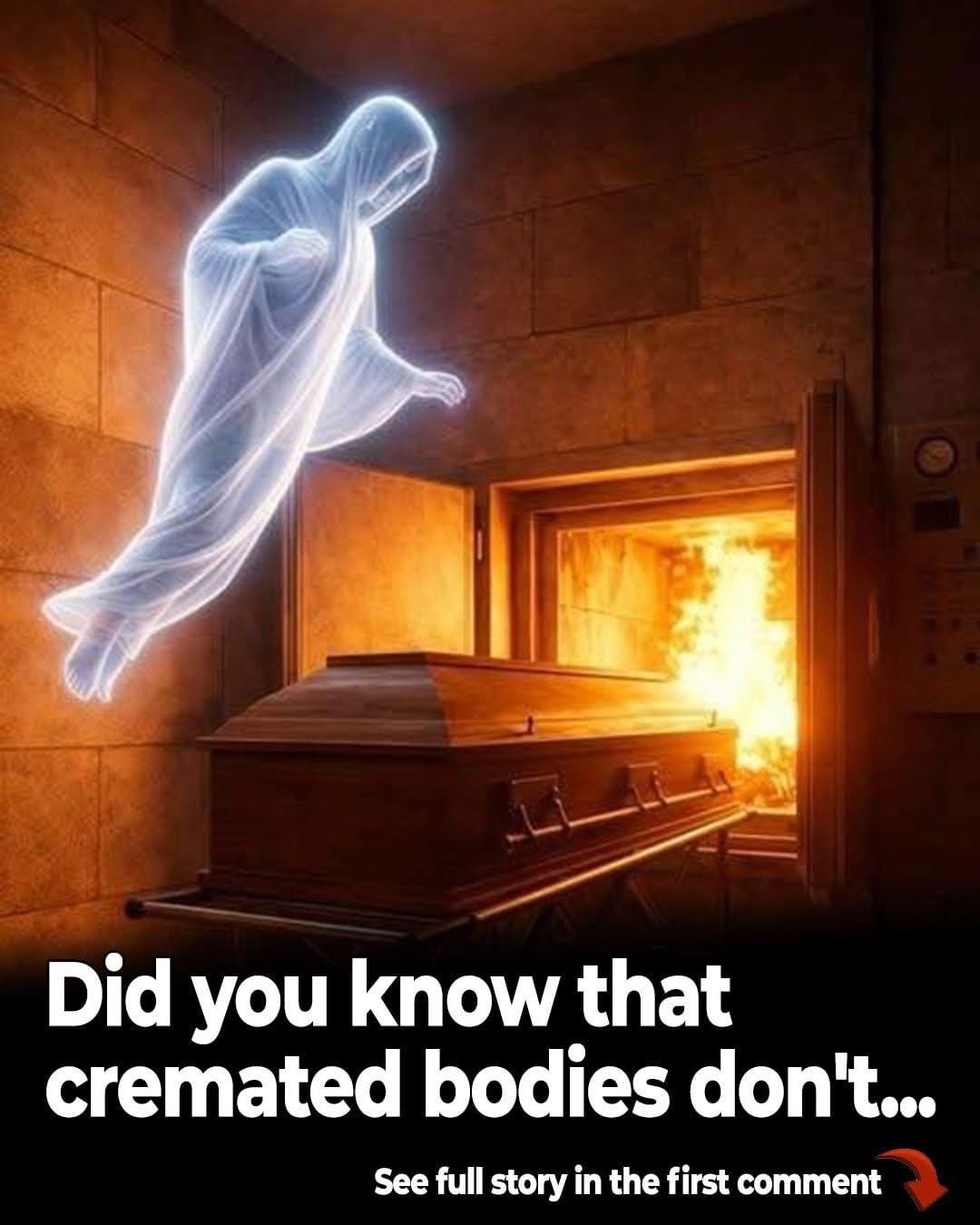
Louise Singer, who manages bereavement services in the United Kingdom, explained that coffins are carefully inspected before cremation begins. Certain items, especially metal devices like pacemakers, must be removed because they can explode under extreme heat and damage cremation chambers. Every precaution exists not only for safety, but also to ensure the process is carried out respectfully and professionally.
Yet practical questions about cremation are only part of a much larger emotional conversation.
For countless people, the deeper concern involves the soul.
What happens after death?
Does cremation affect the afterlife?
Can the soul still find peace if the body is cremated instead of buried?
Different religions and spiritual traditions answer those questions in profoundly different ways.
In Hinduism, cremation is considered one of the most sacred and spiritually important rituals surrounding death. Hindus believe the soul, known as the atman, is eternal and separate from the body. Death is viewed not as an ending, but as a transition into another stage of existence through reincarnation.
Within Hindu belief, cremation helps free the soul from earthly attachment.
Fire holds sacred significance because it is seen as a purifier capable of releasing the spirit from the physical body. Families often view cremation not with fear, but with reverence and spiritual meaning. The ceremony becomes a way of helping the soul continue its journey peacefully into the next life.
Buddhism shares some similarities, although Buddhist teachings approach the idea of the soul differently. Buddhism generally does not teach the existence of a permanent individual soul. Instead, it emphasizes cycles of rebirth shaped by karma and consciousness.
For Buddhists, cremation often symbolizes acceptance of impermanence.
Everything in life changes, including the body itself. Cremation reflects the understanding that attachment to physical existence is temporary. Rather than focusing on preserving the body, Buddhist traditions often emphasize inner peace, mindfulness, and spiritual transition.
In Christianity, attitudes toward cremation have evolved significantly over time.
Historically, burial was strongly preferred, especially among Catholics, because of beliefs surrounding bodily resurrection and the example of Jesus Christ’s burial after crucifixion. For centuries, many Christians viewed burial as the most spiritually appropriate way to honor the dead.
Today, however, most Christian denominations accept cremation.
The Catholic Church and many Protestant groups now teach that cremation itself does not prevent resurrection or interfere with the soul’s relationship with God. For Christians, the ultimate fate of the soul depends on faith, spiritual life, and divine judgment rather than the physical condition of the body after death.
Many believers therefore find comfort in the idea that God’s power is not limited by burial or cremation.
What matters most is how a person lived, loved, believed, and treated others during their lifetime.
Islam takes a very different position.
In Islamic tradition, cremation is prohibited because the body is considered sacred and deserving of respectful burial. Muslims believe the soul leaves the body at death but maintains a connection to it until the Day of Judgment. Burial therefore becomes both a spiritual obligation and an act of honoring human dignity.
Islamic funeral traditions emphasize simplicity, respect, and quick burial following death. For practicing Muslims, preserving the body through burial reflects obedience to God’s commands and respect for the sanctity of human life.
Beyond formal religion, many people today identify as spiritual rather than traditionally religious.
Their beliefs about cremation and the afterlife often combine personal philosophy, spirituality, science, and emotional reflection. Some believe the soul continues into another dimension or spiritual existence. Others imagine human consciousness becoming part of the universe itself. Many view cremation as a symbolic return to nature the body returning peacefully to the earth from which life emerged.
At the same time, secular thinkers and humanists may see death differently altogether.
Some believe consciousness ends completely when life ends, making cremation simply a personal, environmental, or practical choice rather than a spiritual one. For them, meaning is found less in the afterlife and more in the impact a person leaves behind through relationships, memories, kindness, and love.
Despite their differences, nearly every belief system shares one important truth.
Death forces humanity to confront mystery.
Science can explain the mechanics of cremation with precision. Religion can offer spiritual guidance and hope. Philosophy can explore meaning and existence. But no one can fully answer with certainty what happens after the final breath is taken.
That uncertainty is part of what makes the subject so emotional.
Behind every question about cremation lies something deeper: fear of loss, hope for peace, and the desire to believe that love somehow continues even after physical life ends.
And perhaps that is why conversations about death never truly disappear.
Because in the end, people are not only searching for answers about what happens after death.
They are searching for reassurance that the people they loved were more than a body, more than ashes, and more than the silence left behind.