Sleep is one of the most important functions of the human body, yet millions of people rarely think about how their sleeping position may affect their overall health and comfort.
Most discussions about rest focus on how many hours people sleep each night, but experts increasingly point out that the way a person sleeps can influence breathing, digestion, muscle tension, spinal alignment, and even how refreshed they feel in the morning.
Among the most debated sleep habits is side sleeping, particularly the question of whether sleeping on the right side carries hidden risks or benefits. Some health discussions favor the left side, while others suggest that personal comfort matters more than strict rules. The truth is more nuanced than many people realize.
Human bodies respond differently to sleep posture depending on anatomy, physical conditions, and sleeping habits developed over years. What works perfectly for one person may cause discomfort for another. Because of this, sleep experts generally avoid declaring one universal “best” position for everyone. Instead, they emphasize understanding how posture interacts with the body during long periods of rest.
During sleep, gravity continues affecting circulation, airway positioning, muscle tension, and the alignment of joints and internal organs. A position that feels harmless at first may gradually create pressure points or strain over time if the body is unsupported. At the same time, a comfortable and properly aligned sleeping position can significantly improve recovery, relaxation, and sleep quality.
For many people, sleeping on the right side feels natural. It often creates a sense of comfort and security, especially for individuals who instinctively curl slightly while sleeping. Some people report that right-side sleeping helps them relax faster or reduces tension on certain parts of the body depending on their posture during the day.
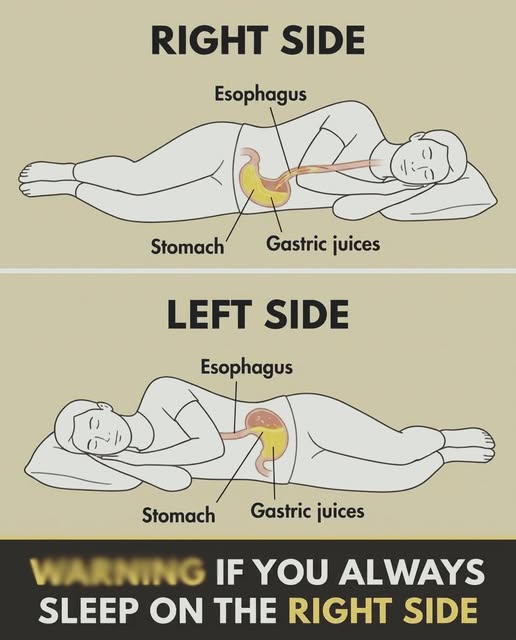
However, discussions about right-side sleeping frequently arise because some medical and wellness experts have long associated left-side sleeping with digestion and circulation benefits. This has led many people to wonder whether sleeping on the right side is somehow unhealthy or harmful.
The reality is far more balanced.
Side sleeping in general is widely considered one of the most comfortable positions for many adults because it can reduce pressure on the lower back and help maintain a more natural spinal shape when supported properly. The direction itself matters less than how well the head, neck, shoulders, and hips remain aligned throughout the night.
Without proper support, even a healthy sleeping position can lead to stiffness or pain. For example, side sleepers often place excess pressure on one shoulder for several hours at a time. This may result in numbness, soreness, or tightness upon waking. Some individuals also experience hip discomfort if the knees are not properly supported.
That is why sleep specialists frequently recommend placing a pillow between the knees for side sleepers. This simple adjustment helps keep the hips aligned and reduces twisting of the spine during the night. A supportive pillow beneath the head is equally important because it prevents the neck from bending unnaturally.
For right-side sleepers specifically, comfort often depends on body structure and pre-existing conditions rather than the position itself. Some individuals naturally feel less strain on the right side due to shoulder injuries, muscle imbalance, or even habits developed from work and daily movement.
Others simply sleep better that way because their bodies have adapted to it over many years.
One reason left-side sleeping receives so much attention is its relationship to digestion. In that position, gravity may help food move more comfortably through the digestive tract after meals. Some individuals with occasional nighttime discomfort or bloating report feeling better when resting on the left side after eating late.
But this does not automatically mean sleeping on the right side is dangerous.
Many people sleep comfortably on their right side for their entire lives without any noticeable problems. Sleep quality is influenced by many factors beyond body position alone. Stress levels, room temperature, mattress quality, sleep schedules, physical activity, and mental health all play major roles in determining how restorative sleep actually becomes.
Even the best sleeping posture cannot fully compensate for chronic stress, irregular sleep patterns, or an uncomfortable mattress.
Another important detail often overlooked is that humans naturally change positions throughout the night. Most people do not remain completely still for eight hours. The body instinctively shifts to relieve pressure, improve circulation, and maintain comfort. These unconscious movements are healthy and expected.
Because of this, obsessing over maintaining one “perfect” sleeping position all night may create unnecessary anxiety around sleep itself.
Back sleeping is another commonly discussed posture because it tends to keep the spine in a neutral position when properly supported. Many experts consider it beneficial for reducing unnecessary twisting or bending. However, back sleeping is not ideal for everyone either.
Some people experience increased snoring or breathing interruptions when lying flat on their back because gravity affects the airway differently in that position. Others simply find it uncomfortable and struggle to relax fully.
Meanwhile, stomach sleeping often places additional strain on the neck and lower back because the body remains twisted for long periods. Yet even then, some individuals continue preferring it because it feels familiar and calming.
Ultimately, comfort remains one of the strongest indicators of whether a sleep position is working well for the body.
People who consistently wake feeling refreshed, relaxed, and free from soreness are likely sleeping in a position suited to their needs. On the other hand, waking up with headaches, neck stiffness, shoulder pain, numb arms, or lower back discomfort may signal that adjustments are needed.
Sometimes the solution is not changing positions entirely but improving support systems instead.
Mattress quality plays a surprisingly large role in how sleep posture affects the body. A mattress that is too soft can allow the spine to sink unevenly, while one that is too firm may create painful pressure points. Finding the right balance helps maintain proper alignment regardless of sleeping position.
Pillows matter just as much. A pillow that is too high or too flat can place unnecessary stress on the neck for side sleepers. Proper support helps the body stay relaxed rather than constantly compensating for poor alignment during sleep.
Environmental factors also influence rest quality more than many realize. A cool, dark, quiet room allows the body to relax more deeply and maintain comfortable sleep cycles. Even factors like screen exposure before bed or inconsistent sleep schedules can disrupt rest more severely than sleeping on the “wrong” side.
Modern sleep science increasingly encourages flexibility instead of rigid sleep rules. Bodies differ. Health conditions differ. Comfort preferences differ. What matters most is finding a position that allows deep, uninterrupted rest without causing persistent discomfort.
For some people, that position will absolutely be the right side.
The fear surrounding right-side sleeping often comes from oversimplified health advice online, where complex bodily systems are reduced to blanket statements. In reality, the body is adaptable and highly individual. Most healthy adults can safely sleep on either side without major concerns as long as their bodies feel supported and relaxed.
At its core, quality sleep is less about obeying strict positioning rules and more about listening carefully to the body’s signals over time. Pain, stiffness, fatigue, and restlessness are often clearer indicators than viral sleep “hacks” or generalized advice.
The most important goal is not sleeping perfectly. It is waking up restored.
And for millions of people, that may happen while sleeping comfortably on their right side every single night.