The news about Al Roker hit like a sudden storm front, unexpected and fierce. For decades, he had been America s cheerful weatherman, a familiar face in millions of living rooms, delivering forecasts with warmth, humor, and an unmistakable presence.
But behind the smiles and the banter with co hosts, there had been a quieter, more difficult battle unfolding. The announcement that his health had taken a serious turn was not just a bulletin. It was a punch to the gut for everyone who had grown up watching him.
Al Roker has always been more than a television personality. He is a cultural touchstone. He has been there through blizzards and heatwaves, through holidays and breaking news. He has laughed through mishaps, powered through live television chaos, and shared personal milestones with his audience. That connection is rare. It is the kind of bond that forms over years, not through scripted moments but through authenticity. When he hurt, viewers hurt. When he celebrated, they celebrated. And now, with this latest health crisis, they are holding their breath.
The details of his condition have been shared with the public, but only as much as the family feels comfortable disclosing. There have been hospitalizations, treatments, and moments of uncertainty. Roker has been open about past health struggles, including cancer and heart issues. He has never hidden from his audience. That transparency made him beloved. It also makes this moment harder. Because he has already fought so much. He has already beaten odds. The thought that he might have to fight again, that his body might be betraying him once more, is exhausting even to contemplate.
Colleagues have spoken out, their voices cracking with emotion. They describe him as the heart of the show, the one who keeps everyone grounded, the first to arrive and the last to leave. They tell stories of his generosity, his quick wit, his refusal to take himself too seriously. But behind those stories is fear. The fear that the man who has been a constant presence might not be constant forever. That is the cruel thing about illness. It does not care about how much people need you. It does not care about ratings or contracts or unfinished business. It just takes.
Fans have flooded social media with messages of support. Prayers. Memories. Photos of Roker at his best, smiling into the camera, bundled up against the cold, laughing at a joke only he understood. The outpouring is not performative. It is genuine. Because Roker has always felt like a friend. Not a distant celebrity, but someone you would want to have coffee with, someone who would listen, someone who would make you feel better just by being there. That is a rare gift. And it is why his absence from the screen feels so heavy.
His family has asked for privacy, and that request should be honored. But they have also expressed gratitude for the love being sent their way. In times like these, that love matters. It is not just words on a screen. It is a reminder that the work he did, the joy he brought, the comfort he provided, was not forgotten. It mattered. He mattered. And that is something illness cannot take away.
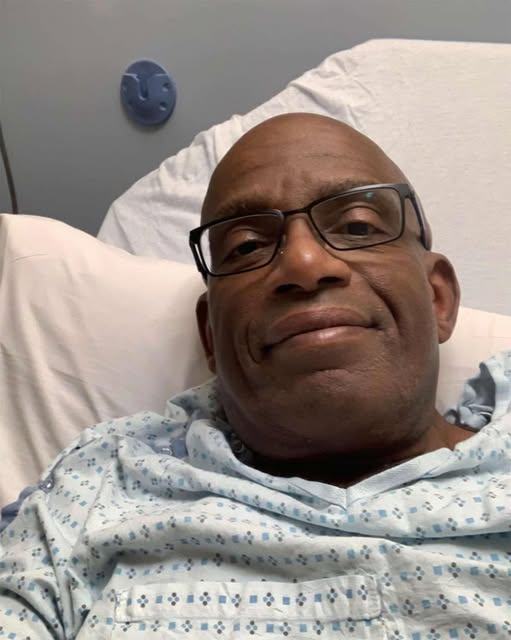
Roker himself has remained characteristically resilient. In the few public statements he has made, he has downplayed the severity, cracked jokes, and assured everyone he would be back. That is who he is. Even when he is the one in the hospital bed, he is trying to make everyone else feel better. That selflessness is why people are so affected by his struggle. He has given so much. Now it is his turn to receive. And millions are ready to give.
The road ahead is uncertain. There will be good days and bad days. There will be treatments that work and setbacks that sting. But if there is one thing Al Roker has taught his audience over the years, it is resilience. He has faced storms of every kind, literal and figurative, and he has always come through. Not unscathed, but standing. Not unmarked, but still smiling. That is the measure of a person. Not that they never fall, but that they keep getting up.
For now, fans wait. They watch for updates. They send love. They hold space for a man who has held space for them for so long. And they hope. Hope is not a treatment plan. It is not a cure. But it is something. It is the thread that connects us when there is nothing else. And right now, it is the only thing that makes the waiting bearable. Al Roker has been a part of America s mornings for decades. He has earned the right to rest, to heal, to fight on his own terms. And when he is ready, he will be back. Until then, the nation holds its breath, wipes its eyes, and keeps the forecast in its heart. Because some things are bigger than weather. Some things are about the people who help us face it. And Al Roker is one of those people. Always has been. Always will be. That is not just news. That is legacy. And it is unbreakable.