What is really sliding down those bathroom walls is usually less mysterious than it looks, but it is never something to ignore.
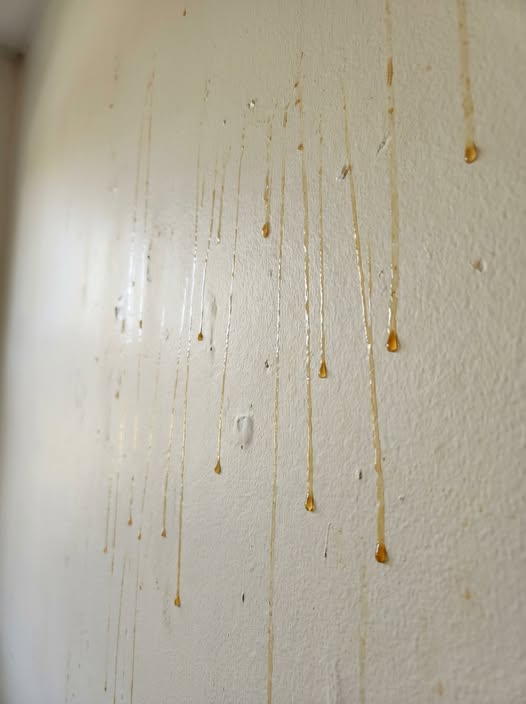
You step into the bathroom one morning, maybe half asleep, maybe rushing to get ready for work, and something catches your eye. Near the ceiling, just above the shower, thin streaks of yellowish liquid have appeared. They look almost like candle wax that has melted and run down the surface, except they are not hard. They feel greasy. They smear when you try to wipe them away. You scrub harder. Nothing changes. The stain remains, or worse, it spreads.
For most homeowners, that moment triggers a wave of confusion and concern. Is it something dangerous? Is it coming from inside the wall? Could it be related to the plumbing, the roof, or something the previous tenant left behind? The answers are usually less alarming than the imagination suggests, but they are also more important than many people realize. Yellow drips on bathroom walls are a warning sign. They are messages from your home that something is out of balance, and ignoring them can lead to bigger problems down the line.
One of the most common causes is trapped moisture. Bathrooms are naturally humid environments. Every time you run a hot shower, steam rises, hits the cooler walls and ceiling, and condenses into water droplets. Over time, those droplets collect dust, skin cells, and other airborne particles. If the bathroom is not properly ventilated, that moisture has nowhere to go. It seeps into the paint, the drywall, and the joints between tiles. Eventually, it begins to drip back down, often carrying with it a yellowish tint from the materials it has absorbed. In older homes, this effect is even more pronounced because the paint may be oil based or the walls may have been painted over without proper sealing.
Another common culprit is nicotine residue. Even if you do not smoke, the previous occupant might have. Cigarette smoke leaves behind a sticky, yellowish film that adheres to walls, ceilings, and bathroom fixtures. Over time, especially in humid conditions, that film can liquefy slightly and begin to run. It looks alarming because it often appears near vents or corners where condensation collects. The person who lived in the space before you might have smoked heavily, and despite your best cleaning efforts, the residue remains embedded in the paint or drywall. When moisture hits it, the yellow streaks return as if by magic, no matter how many times you scrub.
Soap scum is another frequent offender. Bathrooms see a constant buildup of soap, shampoo, body wash, and hard water minerals. These substances combine to form a filmy residue that can appear yellowish as it ages. When the bathroom gets steamy, that film can loosen and drip down the walls in thin, greasy streaks. It looks unpleasant, but it is usually harmless. The frustration comes from trying to remove it. Standard bathroom cleaners often fail because the residue has bonded with the paint or tile over months or years of neglect.
Perhaps the most concerning cause is mold or mildew. In its early stages, mold can appear as yellowish or brownish streaks before it turns black or green. Damp, poorly ventilated bathrooms are breeding grounds for mold spores. Once mold takes hold, it does not just look bad. It can trigger allergies, asthma, and other respiratory issues. The yellow drips in this case are not just stains. They are colonies of living organisms spreading across your walls. Treating mold requires more than wiping. It requires proper protective equipment, specialized cleaning solutions, and sometimes professional remediation if the problem has spread behind the walls.
The turning point in dealing with yellow bathroom drips comes when you stop seeing the stains as random and start reading them as clues. Each type of drip has a different cause, and each cause demands a different response. Guessing wrong can mean endless scrubbing with no real relief. If the issue is moisture, the solution is ventilation. Run the bathroom fan during and after every shower. Leave the door open. Wipe down tiles and painted walls before condensation dries. These simple habits can dramatically reduce the buildup that leads to yellow streaks.
If the issue is nicotine residue from a previous tenant, you may need to clean more aggressively. Trisodium phosphate, available at most hardware stores, can cut through nicotine film. In severe cases, you may need to seal the walls with a stain blocking primer and repaint. It is a bigger job, but it is the only way to permanently stop the yellow drips from returning.
If soap scum is the problem, a vinegar and water solution or a commercial bathroom cleaner designed to cut through grease may do the trick. The key is consistency. Soap scum builds up over time, so regular cleaning is the only real prevention.
If mold is the cause, you cannot afford to delay. Small patches can sometimes be treated with a bleach solution or a commercial mold killer. But if the problem is widespread or keeps returning, you need to call a professional. Mold behind walls is a health hazard that will not go away on its own.
That first shock of seeing yellow streaks on your bathroom walls never feels good. It is unsettling. It makes you question the safety and cleanliness of your home. But once you understand what those streaks mean, you gain something far more powerful than fear. You gain control. Control over the air you breathe. Control over the moisture levels in your home. Control over the surfaces you touch every day.
The bathroom is one of the most used rooms in any house, and it is also one of the most vulnerable to neglect. Small problems, ignored, become big problems. Yellow drips are not just an eyesore. They are a conversation between you and your home. Learn to listen. Ventilate. Clean. Treat mold fast. And when the problem feels too big for a bottle of cleaner and a sponge, call someone who knows what they are doing.
Your walls are trying to tell you something. It is not a mystery. It is maintenance. And maintenance, boring as it sounds, is the only thing standing between a clean bathroom and a house that is slowly falling apart from the inside out. So the next time you see that yellow stuff dripping down the walls, do not panic. Do not ignore it. Figure out what it is, fix the cause, and move on. Your home will thank you. And so will your lungs.