Marion County, FL — In a case that has gripped the local community and made national headlines, 15-year-old Christopher Atkins was sentenced to 40 years behind bars for his involvement in a triple homicide that occurred in 2023. Notably, Atkins was only 12 years old when the crimes took place, making him one of the youngest individuals charged in such a serious case in recent history.
Case Background
The horrific events unfolded in late March 2023 in Ocklawaha, a small town in Marion County. Three teenagers—16-year-olds Layla Silvernail and Camille Quarles, along with a 17-year-old boy—were discovered shot dead in separate locations. The murders shocked the community and quickly drew intense media coverage due to the victims’ youth and the brutal nature of the killings.
Investigators identified three suspects tied to gang-related conflicts: Christopher Atkins (then 12), Robert Robinson (17), and Tahj Brewton (16). Authorities allege that the shootings were the climax of ongoing disputes among the group.
Sentencing Details
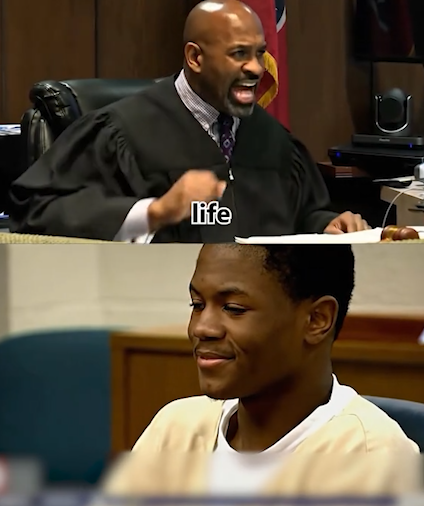
On July 22, 2025, Atkins appeared before a Marion County judge for sentencing after pleading guilty to first-degree murder, armed robbery, and tampering with evidence. As part of a plea agreement, Atkins agreed to cooperate with prosecutors and testify against his older co-defendants.
While Robinson and Brewton each received life sentences without parole, Atkins’ sentence took into account his age at the time of the crimes. He was sentenced to 40 years in prison, with the possibility of a sentence review after 25 years. This means he could be considered for release when he is in his late 30s, pending future evaluations.
Prosecutors stressed that despite his young age, Atkins played an active role in the crimes and the subsequent efforts to cover them up. However, his cooperation and youth were factors that prevented a harsher sentence.
Community Reaction
The verdict closed a lengthy and emotionally charged case that left many in Marion County reeling. Family members of the victims expressed deep sorrow and the enduring pain of their loss.
“This is a wound that never fully heals,” one family member shared in court. “We lost our children too soon, and nothing can change that.”
The case has also reignited debates around juvenile justice and how the legal system should treat minors charged with violent offenses. Some argue that a child so young cannot fully grasp the consequences of such actions, while others maintain that serious accountability is necessary.
Broader Significance
The Atkins case highlights ongoing challenges in the U.S. juvenile justice system, particularly when children face charges typically reserved for adults. Florida law allows minors to be tried as adults in severe cases, and this case underscores the difficult balance courts must strike between rehabilitation and public safety.
Legal experts suggest the outcome may influence how prosecutors and judges handle similar cases involving juvenile offenders in the future. “It’s a reminder that justice must consider both the individual’s circumstances and the safety of the community,” one attorney commented.