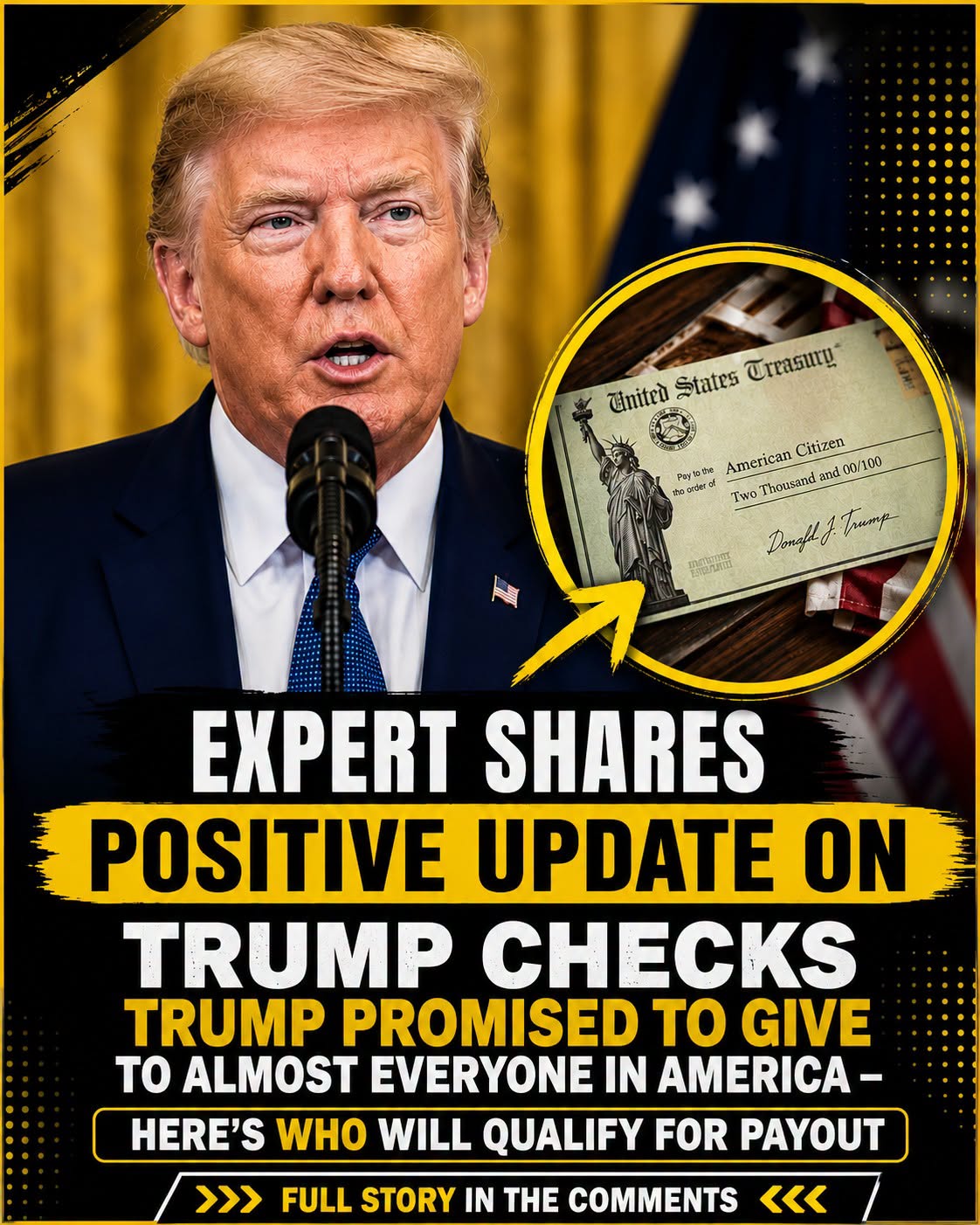
For months, the idea of a $2,000 “tariff dividend” has captured the attention of millions of Americans searching for financial relief. The promise has been described as a potential lifeline for families facing higher prices, growing debt, and the ongoing pressure of everyday expenses.
The concept sounds straightforward: money collected through tariffs would be redirected back to citizens through direct payments, giving low- and middle-income Americans extra support during a difficult economic period.
But behind the excitement and political promises is a far more complicated reality.
While the idea has created enormous expectations, there is currently no official federal payment program in place. No law has been passed creating the benefit, no government application system exists, and the IRS has not opened any website or portal where Americans can claim a $2,000 check.
For many people hoping for assistance, that uncertainty has created confusion. Some are waiting for updates, others are wondering when payments might arrive, and some have already become targets for scams pretending to offer access to money that has not yet been approved.
Financial expert Matthew Prchal says the timing of the potential payment could be one of the most important factors if the plan moves forward.
According to his analysis, there may be a narrow window when sending out checks would have the greatest impact. If the government waits too long, the financial relief could arrive after many families have already been forced to make difficult decisions because of rising costs.
For households struggling with rent, groceries, transportation, medical bills, and other expenses, timing matters.
A payment received during a period of financial stress can provide immediate support. A delayed payment may feel less like emergency relief and more like a missed opportunity.
The idea of a tariff dividend became popular because it presented a simple message: if tariffs generate revenue, some of that money could return directly to the people affected by higher prices.
Supporters argue that Americans should benefit from the revenue created by these policies rather than seeing the money remain only within government accounts.
For families living paycheck to paycheck, the possibility of receiving $2,000 has naturally created hope.
That money could help pay down credit cards, cover household expenses, catch up on overdue bills, or provide a temporary cushion against financial pressure.
However, transforming the proposal into an actual program would require several major steps.
The first challenge is legal approval.
Without legislation passed by Congress, federal agencies do not have the authority to create a nationwide payment system. The Treasury Department and IRS cannot simply decide to distribute checks without a legal framework explaining who qualifies, where the money comes from, and how the process would operate.
Officials would also need to answer important questions.
Who would receive the payment?
Would there be income limits?
Would families, individuals, retirees, or dependents qualify?
How would the government verify eligibility?
How would payments be delivered safely?
Each of these details would need to be resolved before any money could realistically reach Americans.
The biggest challenge, however, may be the financial cost.
A $2,000 payment sent to millions of people would require a massive amount of funding. While tariffs can generate significant government revenue, analysts have questioned whether that income alone would be enough to cover the full cost of the proposal.
Depending on the number of recipients, the total expense could reach tens of billions of dollars or more.
That raises another debate: if tariff revenue does not fully cover the payments, would additional federal funding be required?
Supporters believe the economic boost could justify the expense. They argue that putting money directly into the hands of consumers could increase spending and provide relief to families under pressure.
Critics, however, warn that large payment programs require careful budgeting and could create new financial challenges if funding is not clearly established.
As the debate continues, another problem has already emerged: scammers attempting to take advantage of public interest.
Whenever a government payment becomes widely discussed, criminals often move quickly.
Fake websites, fraudulent emails, text messages, and phone calls may claim to help people apply for their payment or confirm their eligibility. These scams often attempt to collect personal information, including Social Security numbers, bank account details, or passwords.
Experts warn Americans to be extremely cautious.
A legitimate government program would be announced through official channels. People should not provide sensitive information through random links, messages, or unexpected phone calls claiming to offer access to the payment.
Until a real program exists, there is nothing to apply for.
There is no official waiting list.
There is no approved registration process.
There is no guaranteed check being mailed.
This distinction is important because financial expectations can influence real decisions. Some people may delay paying bills, make purchases, or change their budgets based on money they believe is coming.
But a promise is not the same as a benefit.
A political proposal is not the same as a government program.
And a headline is not the same as money deposited into a bank account.
Matthew Prchal and other financial analysts say that if the tariff dividend becomes reality, speed and clarity will determine whether it achieves its intended purpose.
A fast, organized payment system could provide meaningful relief and create a noticeable economic impact.
But delays, uncertainty, or complicated requirements could reduce the effect and leave families waiting longer than expected.
For now, Americans remain caught between anticipation and uncertainty.
Many hope the $2,000 payment becomes real.
Many believe it could provide much-needed assistance.
But the reality is that important steps still need to happen before anyone can expect a check.
Until Congress approves legislation and government agencies release official guidance, the tariff dividend remains a proposal rather than a confirmed financial benefit.
The message from experts is simple: stay informed, avoid scams, and do not trust anyone promising access to money that has not officially been approved.
The $2,000 tariff dividend may eventually become a reality.
But for now, it remains a promise waiting for the final decisions that will determine whether it ever reaches American households.