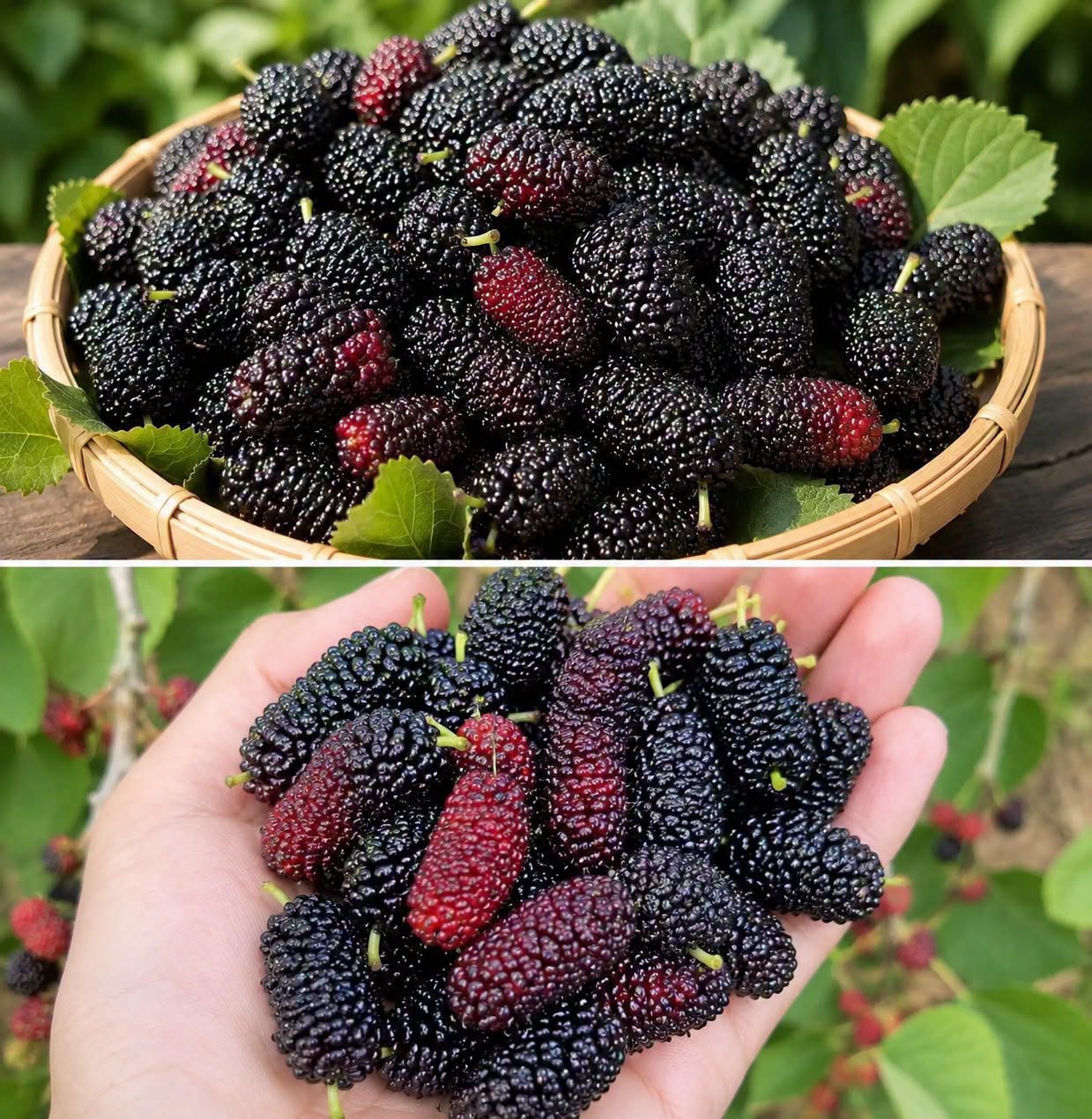
Hidden among familiar fruits like apples, oranges, and berries is a small, delicate fruit that many people have never tasted—but it has been valued for generations in traditional diets around the world.
The mulberry may not have the same popularity as strawberries or blueberries, yet this tiny fruit contains an impressive collection of nutrients that make it far more interesting than its size suggests.
With its deep color, naturally sweet flavor, and rich nutritional profile, the mulberry has earned attention from researchers and health enthusiasts who are exploring how certain foods may support the body in simple, natural ways.
From eye health and digestion to blood pressure and heart function, this overlooked fruit offers a surprising combination of compounds that may help support overall wellness when included as part of a balanced diet.
Mulberries come in several varieties, including black, red, and white types. They grow on mulberry trees and have been enjoyed for centuries in different cultures, often eaten fresh, dried, or used in teas, jams, and traditional remedies.
While they may look similar to other berries, mulberries have their own unique nutritional profile.
One of their biggest strengths is their high concentration of antioxidants.
Antioxidants are important because they help protect the body from oxidative stress, a process caused by unstable molecules known as free radicals. Over time, oxidative stress can contribute to inflammation and cellular damage, which are connected to many aspects of aging and overall health.
Mulberries contain powerful plant compounds such as anthocyanins and resveratrol, natural substances that give many dark-colored fruits their vibrant appearance. These compounds have been studied for their potential role in supporting healthy cells and protecting the body from everyday environmental stress.
Their deep purple and black colors are not just visually appealing they are signs of the beneficial compounds inside.
One area where mulberries have gained attention is eye health.
The eyes are constantly exposed to light, screens, and environmental factors, creating a need for protective nutrients. Antioxidants found in colorful fruits may help support the structures of the eye by reducing oxidative stress.
Compounds such as anthocyanins are being studied for their possible role in maintaining healthy vision as people age. While eating mulberries cannot replace medical care or prevent every eye condition, adding antioxidant-rich foods to a balanced diet may contribute to long-term eye support.
The fruit also provides vitamin C, an essential nutrient involved in immune function and collagen production. Collagen helps maintain the structure of skin, blood vessels, and other tissues throughout the body.
A small serving of mulberries can contribute to daily vitamin C intake while adding natural sweetness without relying on processed sugars.
Another important benefit of mulberries comes from their fiber content.
Fiber plays a major role in digestive health. It helps support regular bowel movements, contributes to a healthy gut environment, and can help people feel satisfied after eating.
Unlike many highly processed snacks that provide quick energy followed by a crash, fiber-rich foods like mulberries release energy more gradually and can be part of a balanced eating pattern.
But perhaps one of the most interesting areas of research surrounding mulberries involves blood sugar and heart health.
Scientists have studied certain compounds found in mulberry leaves, especially a substance known as 1-deoxynojirimycin, or DNJ. This compound appears to influence how the body breaks down carbohydrates by slowing certain digestive processes.
The idea behind this research is that slowing carbohydrate absorption may help reduce sharp increases in blood sugar after meals.
For people interested in maintaining steady energy levels or supporting healthy glucose management, foods that naturally contain beneficial plant compounds can be an important part of an overall healthy lifestyle.
However, mulberries should not be viewed as a replacement for prescribed treatments. Anyone taking medication for blood sugar control should speak with a healthcare professional before making significant dietary changes, as natural compounds can sometimes affect how the body responds to medications.
Mulberries have also been connected to heart health because of their combination of fiber, antioxidants, and minerals.
Healthy cholesterol levels, balanced inflammation responses, and proper blood vessel function all play important roles in cardiovascular wellness. Research into berries and plant-based foods suggests that diets rich in these nutrients may help support the systems that keep the heart functioning properly.
The presence of iron in mulberries is another valuable feature. Iron is necessary for producing hemoglobin, the protein responsible for carrying oxygen throughout the body. While mulberries alone are not a complete solution for iron deficiency, they can contribute to overall nutrient intake when combined with other iron-rich foods.
One of the best things about mulberries is how easy they are to enjoy.
Fresh mulberries can be eaten as a simple snack or added to yogurt, oatmeal, smoothies, and salads. Dried mulberries provide a sweeter, concentrated version that works well as an alternative to processed snacks.
Mulberry tea, often made from the leaves, has also been used traditionally in various cultures.
The key, as with any food, is balance.
A single fruit cannot transform health overnight. The strongest benefits come from consistent habits: eating a variety of nutrient-rich foods, staying active, getting enough sleep, and following medical advice when needed.
Mulberries are not a miracle cure.
They are something more realistic and valuable a small, natural food that can contribute to a healthier lifestyle.
For many people, discovering mulberries feels like uncovering a forgotten treasure. Their history, flavor, and nutritional qualities show that some of the most interesting foods are not always the ones receiving the most attention.
This tiny fruit may never replace the popularity of blueberries or strawberries, but its impressive collection of nutrients makes it worthy of a place at the table.
Sometimes, nature’s most powerful gifts are hidden in the smallest packages.
And the humble mulberry may be one of those quiet examples of how everyday foods can offer meaningful support for the body, one bite at a time.