It only takes one dramatic post on social media to convince thousands of people that something major has happened. A catchy headline, an emotional photo, and a few vague claims can spread across the internet in minutes. That is exactly what happened when a wave of online rumors began circulating about former U.S. President Barack Obama and his family. For a short time, many people believed something serious had happened, but the truth turned out to be far less dramatic than the internet had suggested.
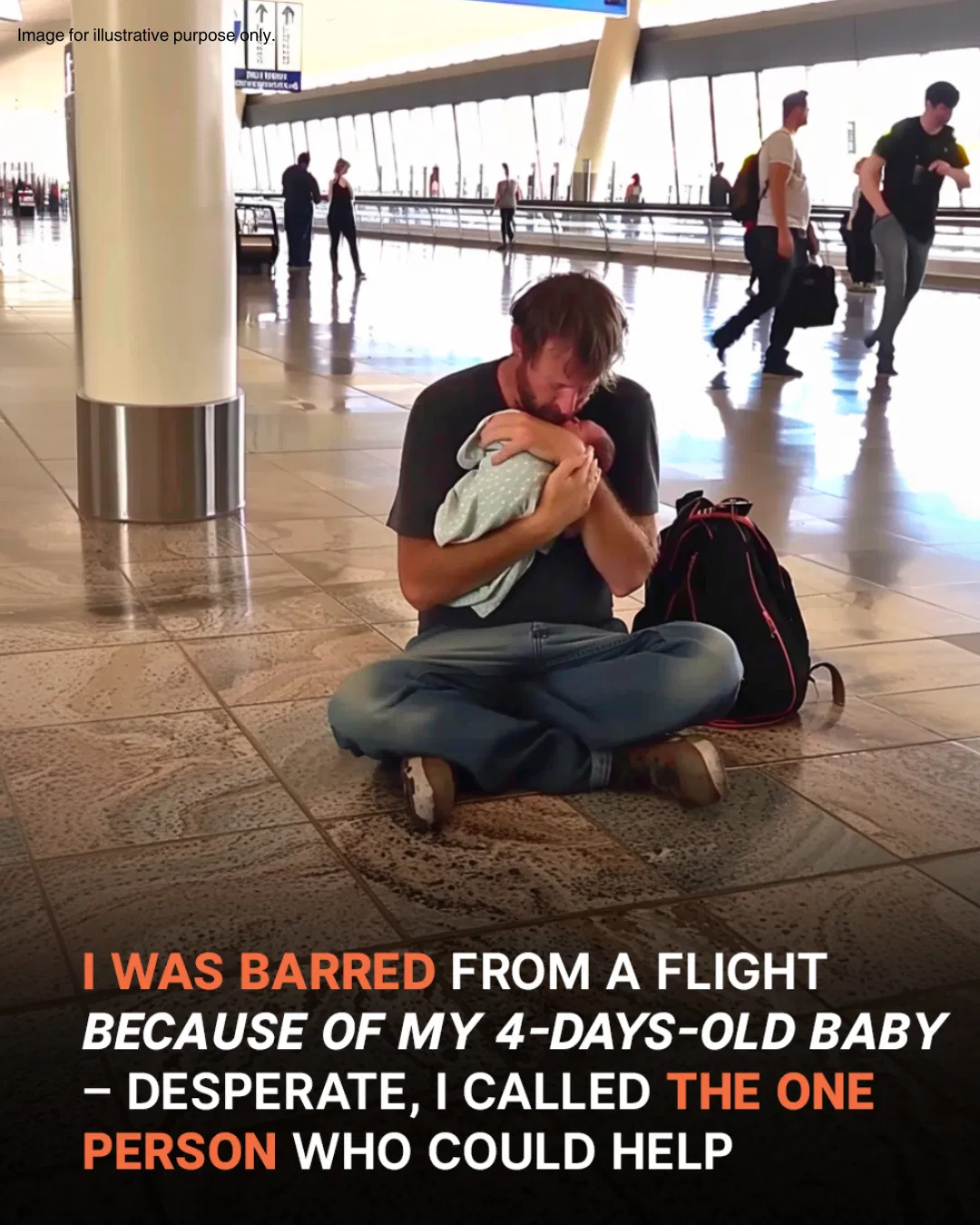
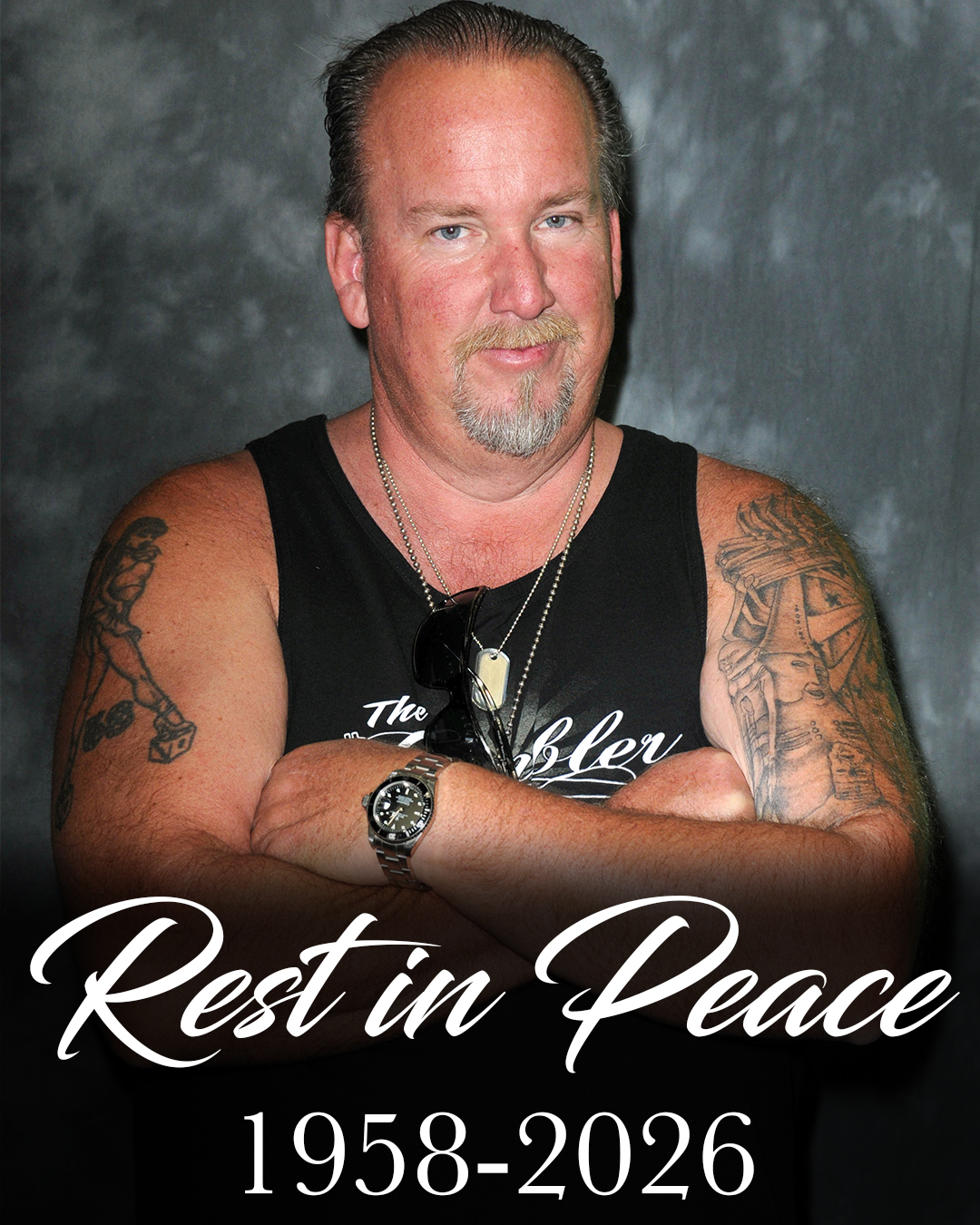
The rumors appeared without warning. Several social media accounts shared eye-catching posts hinting that the Obama family was facing a major personal crisis. None of the posts explained what had supposedly happened. Instead, they relied on mysterious wording designed to make readers curious enough to click, comment, and share. The lack of details did not stop the rumors from spreading. In fact, the uncertainty made them even more popular.
Within hours, thousands of users had reposted the claims. Some added their own theories, while others claimed they had inside information despite offering no evidence at all. As the story traveled from one platform to another, it changed with every retelling. New details appeared out of nowhere, old photographs were shared without context, and screenshots with no identifiable source were presented as proof.
Soon, several completely different versions of the same rumor were circulating online. One claimed the family had quietly stepped away from public life because of a serious private matter. Another insisted there had been a shocking announcement that mainstream media refused to cover. Others suggested that a major event involving the family had taken place behind closed doors. None of these stories matched each other, yet many people accepted one version or another without stopping to verify the facts.
This is one of the ways misinformation often spreads online. A vague claim can be repeated so many times that it begins to sound believable, even when there is no credible evidence supporting it. People naturally become curious when they see dramatic headlines, especially when they involve well-known public figures. That curiosity often leads to rapid sharing before anyone checks whether the information is accurate.
As more people looked into the claims, an important pattern became obvious. The posts all pointed back to the same handful of social media accounts repeating each other’s statements. They did not reference official announcements, reputable news organizations, or verified sources. Instead, they relied on emotional language, speculation, and recycled images that had nothing to do with the claims being made.
Some of the photographs used alongside the rumors had actually been taken years earlier during public appearances and family events. They were presented as if they were connected to the supposed breaking news, even though they were completely unrelated. Other posts cropped images or removed their original captions, making ordinary moments appear mysterious or suspicious.
Fact-checkers and careful readers quickly noticed these inconsistencies. They found no reliable reporting confirming the dramatic claims that had gone viral. The sensational headlines had generated millions of views, but they had not produced any actual evidence. The more closely people examined the story, the more obvious it became that the rumors had been built on assumptions rather than facts.
Despite the lack of evidence, the posts continued attracting attention. That is because online algorithms often reward content that sparks strong emotions. Posts that make people feel shocked, worried, or curious tend to receive more comments and shares than calm, factual updates. As a result, misleading stories can sometimes travel much faster than accurate information.
Many internet users later admitted they had shared the rumors without reading beyond the headline. Others said they assumed that because so many people were discussing the story, it had to be true. This is a common psychological effect. When the same claim appears repeatedly across multiple accounts, it can seem more credible even if every post originated from the same unsupported rumor.
The situation became a reminder that viral content is not automatically trustworthy. A large number of likes, shares, or comments does not prove that a story is accurate. Popularity and truth are not the same thing. In today’s fast-moving online world, misleading posts can spread around the globe long before anyone has the chance to correct them.
Experts who study misinformation often encourage readers to pause before reacting to sensational headlines. Checking whether multiple reputable news organizations have reported the same information, looking for official statements, and being cautious of anonymous social media accounts are all simple habits that can prevent false stories from spreading even further.
In the end, the dramatic rumors surrounding Barack Obama and his family faded away for the same reason many internet hoaxes eventually disappear. Once people looked beyond the attention-grabbing headlines, there was no credible evidence supporting the extraordinary claims. The story that had captured so much attention turned out to be another example of how quickly misinformation can spread when curiosity moves faster than verification.
The episode serves as a useful reminder for everyone who spends time online. Not every alarming headline reflects reality, and not every viral story deserves to be believed. Taking a few extra moments to verify information before sharing it can make a significant difference. While rumors may spread in minutes, the truth often takes a little longer to catch up, but it remains far more valuable than any sensational headline.