Few daily routines are as private, automatic, and strangely revealing as the moments we spend in the shower. Behind the steam, away from conversations, expectations, and public behavior, people often slip into their most natural state.
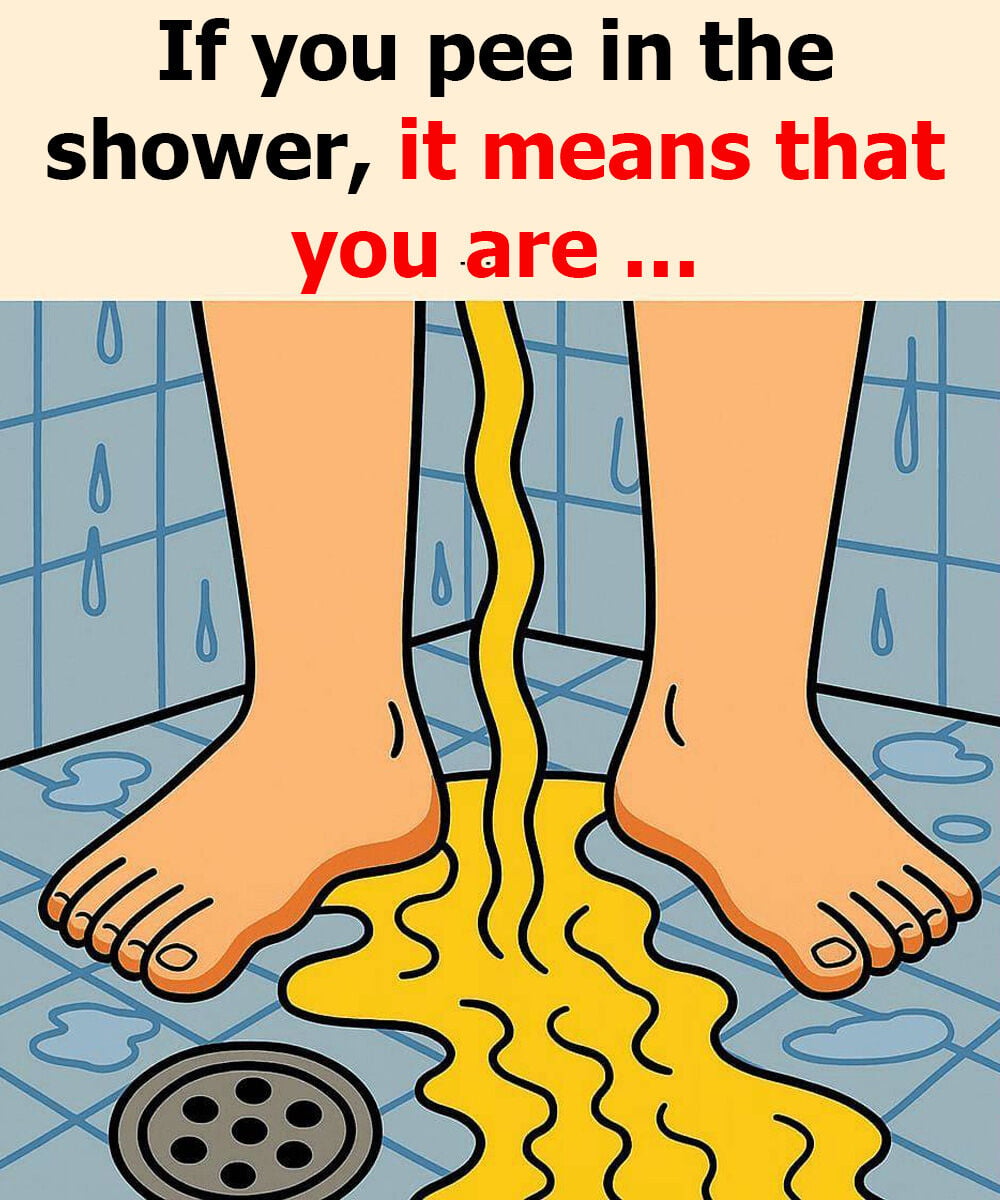
Some rush through the experience in under five minutes. Others linger under hot water as if the world outside can wait a little longer. Some sing loudly, replay arguments in their minds, plan tomorrow’s schedule, or simply stand still doing absolutely nothing. Even one surprisingly divisive habit peeing in the shower has become the subject of endless debates online, dividing people into camps that say far more about personality than hygiene alone.
At first glance, these habits seem meaningless. After all, what could a shower possibly reveal about someone’s character? Yet psychologists have long argued that small routines often expose deeper patterns in the way people think, cope with stress, and interact with the world. The bathroom is one of the few places where most people are completely alone. There is no performance, no audience, and no need to filter behavior for social approval. In that sense, the shower becomes less about cleanliness and more about instinct.
Perhaps no shower habit sparks stronger reactions than the question of whether people urinate while showering. For some, the answer is immediate and unapologetic. They see it as practical, harmless, and efficient. Water is already running. The drain exists for waste. Why complicate something simple? These individuals often describe themselves as logical thinkers who dislike unnecessary rules. They tend to focus on outcomes rather than appearances, preferring convenience over ritual. To them, social discomfort around the habit feels exaggerated, almost performative.
But what makes the subject psychologically interesting is that many people who admit to doing it still lower their voices when discussing it. They laugh nervously or confess it like a secret. That hesitation reveals something important: even private habits are shaped by social conditioning. Human beings care deeply about what is considered “acceptable,” even when nobody is watching. The embarrassment attached to such a hidden behavior demonstrates how powerfully social norms shape identity.
On the opposite side are those who refuse to pee in the shower under any circumstances. Their reaction is often immediate and emotional. For them, the shower represents cleanliness, renewal, and personal boundaries. Mixing bodily waste into that environment feels fundamentally wrong, regardless of logic. These individuals are often more structured in other areas of life as well. They may prefer routines, organization, and clear distinctions between categories. To them, certain boundaries exist for a reason, even if they seem symbolic to others.
Interestingly, neither side is necessarily “right.” The divide says less about hygiene and more about how different personalities interpret rules, comfort, and control. One group prioritizes efficiency and practicality. The other values order and emotional clarity. The disagreement itself reveals how deeply people attach meaning to seemingly trivial choices.
Then there are the singers.
Almost everyone has sung in the shower at some point, but frequent shower singers often share noticeable personality traits. The enclosed space creates natural acoustics that make voices sound fuller and richer, encouraging confidence and emotional release. People who sing during showers are often expressive individuals who use music to regulate mood, reduce stress, or energize themselves before facing the day. Even shy people sometimes become performers in private because the shower feels safe. There are no critics there. No interruptions. Just sound, water, and freedom.
For many, those few minutes become a rare form of emotional release. Singing loudly while shampooing your hair may seem ridiculous, but psychologically it reflects comfort with self-expression and a willingness to emotionally decompress. People who sing often describe the shower as one of the few places where they feel mentally disconnected from outside pressure.
Others transform the shower into something closer to meditation. These are the people who stand motionless under hot water for long stretches of time, seemingly forgetting why they entered the bathroom in the first place. They are often deep thinkers, emotionally overwhelmed individuals, or people carrying hidden stress. Warm water has a calming physiological effect on the nervous system, which may explain why so many people experience clarity, reflection, or emotional release while showering.
Some of life’s most difficult conversations are silently replayed there. Regrets resurface. Imaginary arguments unfold. Future plans are rehearsed. In many ways, the shower functions like a mental waiting room where thoughts finally catch up to people who spend the rest of the day distracted.
Long showers, in particular, are often associated with emotional restoration. People who linger under the water may crave calm, comfort, or temporary escape from overstimulation. The outside world moves fast and demands constant attention. The shower offers a brief illusion of pause. No notifications. No obligations. Just warmth and silence. For emotionally exhausted individuals, that can feel almost therapeutic.
Meanwhile, quick-shower people often approach life differently. They tend to view showers as purely functional tasks—something to complete efficiently before moving on to more important things. These individuals are frequently goal-oriented, busy, and externally focused. They gain energy from action, conversation, productivity, or social interaction rather than quiet isolation. To them, standing under water for twenty extra minutes feels unnecessary, even wasteful.
Then there are the planners. These are the people who mentally organize grocery lists, rehearse meetings, replay schedules, or solve problems while washing their hair. Their minds rarely slow down completely. Even in moments designed for rest, their brains continue processing information. This habit is common among highly responsible individuals, anxious thinkers, and creative personalities whose thoughts constantly branch into new directions.
Ironically, some of the best ideas people ever have emerge in the shower. Scientists have linked this phenomenon to the brain’s “default mode network,” a mental state activated when the mind relaxes from focused tasks. Without external distractions, creative associations become easier to form. That’s why people suddenly think of solutions, memories, or insights while rinsing conditioner from their hair.
Even temperature preferences reveal subtle personality tendencies. People who prefer extremely hot showers often seek comfort, emotional grounding, or stress relief. Cold-shower enthusiasts, on the other hand, may lean toward discipline, intensity, or sensation-seeking behavior. While these patterns are not absolute, they demonstrate how personal habits often reflect emotional needs beneath the surface.
What makes shower behavior fascinating is not the habits themselves, but the honesty behind them. Public behavior is shaped by expectations. Private behavior is shaped by instinct. In those quiet minutes behind a locked bathroom door, people reveal what relaxes them, what comforts them, what embarrasses them, and what helps them mentally survive another day.
A person who sings may secretly need joy. A person who rushes may fear wasting time. A person who stands silently under hot water may simply need a moment where nobody expects anything from them. Even the infamous debate about peeing in the shower ultimately says less about hygiene than about how individuals balance logic, shame, rebellion, and routine.
The truth is that shower habits are not really about water at all. They are tiny reflections of personality hidden inside ordinary moments. And sometimes, the smallest routines reveal the deepest truths about who we are when nobody else is looking.