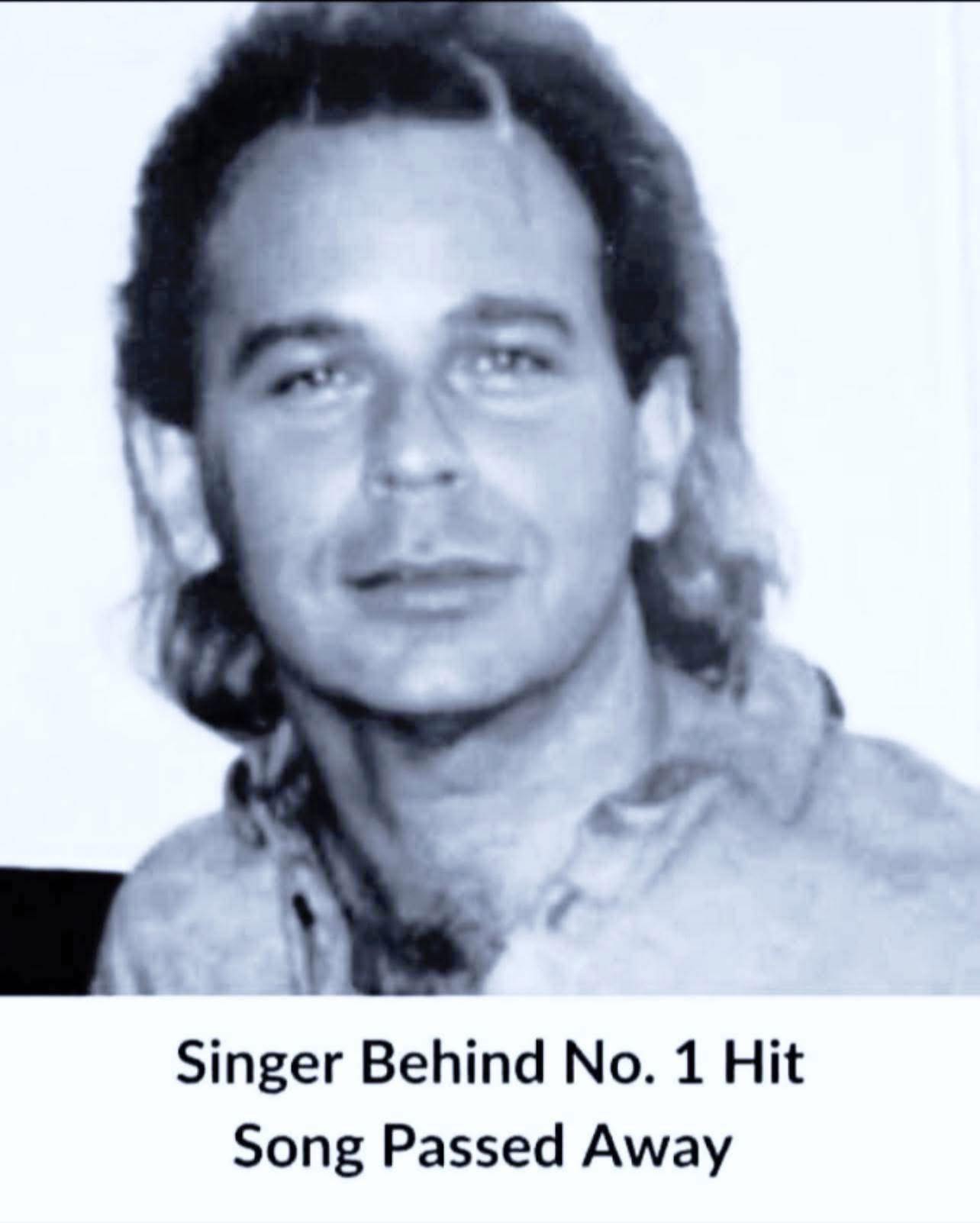
He entered the world as Lugee Alfredo Giovanni Sacco, a name that felt almost too grand, too lyrical, as if it already carried the promise of music within it.
It sounded like something meant to be sung, not simply spoken. Few could have predicted then that this young boy would grow into Lou Christie, a voice that would one day rise above the noise of a generation and leave a mark that refused to fade.
From the very beginning, there was something different about him. His voice did not simply follow melodies; it stretched them, twisted them, and elevated them into something unforgettable. At a time when radio waves were crowded with emerging sounds, his falsetto cut through with startling clarity. It wasn’t just high it was emotional, almost fragile yet undeniably powerful, capable of turning a simple love song into something that felt urgent and alive.
When listeners first heard him, it was as though he had found a way to translate the chaos of youth into sound. Teenage longing, confusion, excitement, heartbreak all of it lived in the rise and fall of his voice. Radios became more than devices; they became companions, carrying his songs into bedrooms, cars, and late-night conversations where feelings were still new and difficult to name.
A crucial part of that magic came from his partnership with Twyla Herbert. Together, they created music that felt theatrical yet deeply personal. Their songs were not simple expressions; they unfolded like emotional weather systems. A quiet beginning would build into tension, and just when the listener thought they understood where it was going, everything would shift sudden, electric, unforgettable.
Nowhere was that more evident than in Lightning Strikes. The song didn’t just climb the charts; it carved out a space in the emotional landscape of a generation. It captured something raw and complicated the idea that love could be thrilling and confusing at the same time, that desire could clash with loyalty, that growing up meant learning to live with contradictions. For many, it wasn’t just a song. It was a moment, a realization, a shared experience wrapped in melody.
What made his music endure was not just its technical brilliance, but its honesty. There was a vulnerability in his voice that made listeners feel seen. Even at its highest, most dramatic peaks, there was always a sense that something real was being expressed. It wasn’t perfection people heard it was emotion, unfiltered and immediate.
Yet beyond the spotlight, beyond the performances and the applause, there was another side to him that remained largely unseen. Fame often creates distance, turning artists into distant figures admired from afar. But he resisted that separation in quiet ways. He read letters that many assumed would go unanswered. He responded to fans who never expected a reply. In small towns where his music had traveled through worn speakers and scratched records, he became more than a voice he became a presence.
These gestures were not grand or publicized. They didn’t make headlines or define his career in the traditional sense. But they mattered. They revealed a man who understood that music was not just about performance, but about connection. Every note he sang reached outward, and in return, he made an effort to reach back.
As time moved forward, the intensity of fame softened. The spotlight shifted, as it always does, and new voices took center stage. But his did not disappear. It lingered, carried forward by recordings that refused to lose their impact. There is something about a voice like his that resists becoming just a memory. It remains present, alive in every playback, unchanged by the passing of years.
When his life eventually came to a close, it did so quietly. There was no dramatic final act, no overwhelming spectacle. For someone whose voice once felt like a storm breaking open the sky, the ending seemed almost too simple. But perhaps that contrast is what makes it feel so human. Even the most extraordinary lives eventually return to something ordinary.
And yet, the quietness of his departure does not define him. What remains is something far more enduring. Every time Lightning Strikes plays, every time that soaring falsetto rises again, it feels less like a memory and more like a continuation. The voice is still there, unchanged, carrying the same urgency and emotion it always did.
Music has a unique way of preserving presence. It does not age in the same way people do. It does not fade in the same way memories sometimes can. Instead, it waits ready to be rediscovered, ready to feel immediate again. And in that sense, voices like his never truly disappear.
What he created was more than a catalog of songs. It was a space where people could feel something deeply, where emotions that were difficult to articulate could find expression. That kind of impact does not end with a lifetime. It continues, carried forward by anyone who listens, who connects, who hears something of themselves in those notes.
There is a certain kind of permanence in art that feels almost defiant. It refuses to accept the limits of time. It insists on being heard again, on being felt again, on existing beyond the moment it was created. His voice belongs to that category. It does not ask to be remembered it simply continues to be.
In the end, what lingers is not just the sound, but the feeling it leaves behind. A reminder that some expressions are too powerful to fade completely, that some voices find a way to exist beyond silence. And each time that unmistakable high note rises once more, it carries with it a quiet truth: some departures are only physical, and some echoes never truly end.