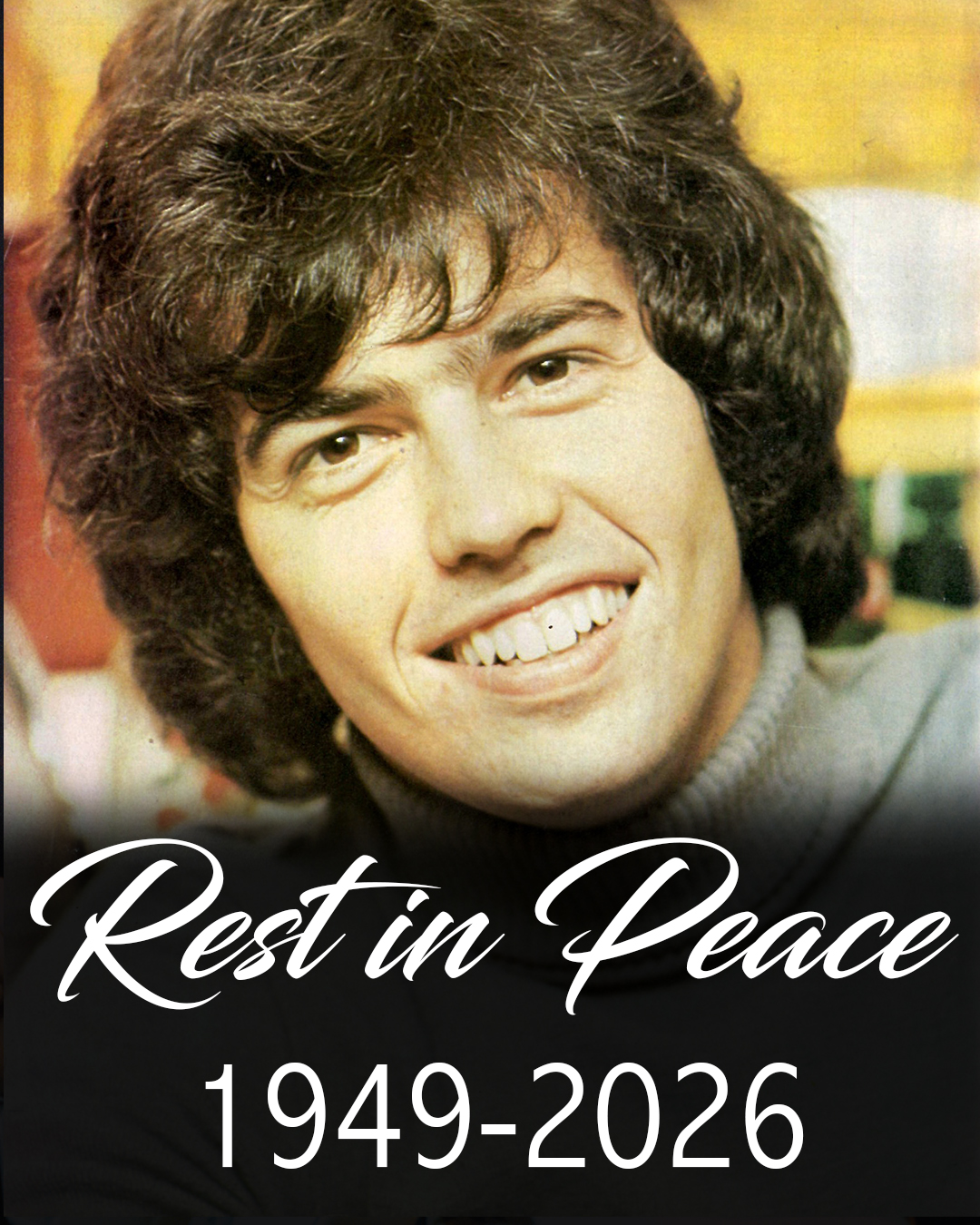
The passing of Alan Osmond at the age of 76 marks the end of an era, but his influence extends far beyond the spotlight that once surrounded his family.
While millions around the world were captivated by the youthful energy and charm of The Osmonds, it was Alan who worked tirelessly behind the scenes, shaping the group’s identity, discipline, and long-lasting success.
From a remarkably young age, Alan demonstrated a sense of responsibility and vision that set him apart. By the time he was just 12 years old, he had already begun taking on roles that many adults would find demanding. He arranged vocal harmonies, refined performances, and ensured that every detail met an exacting standard. His approach was not driven by a desire for personal recognition, but by a commitment to excellence that would define the group’s reputation.
The nickname often associated with the family “One Take Osmonds” was not simply a catchy phrase. It reflected a philosophy that Alan instilled in his siblings. He believed that preparation, discipline, and unity could eliminate the need for second chances. This mindset required long hours of practice and an unwavering dedication to improvement, but it also created a level of professionalism that distinguished the group in a highly competitive industry.
While audiences saw polished performances and seamless coordination, they rarely witnessed the effort required to achieve that level of precision. Alan’s leadership was characterized by both encouragement and firmness. He understood that success depended on consistency, and he was willing to push his family to reach their full potential. This balance of support and structure became a defining element of the group’s dynamic.
Despite his significant contributions, Alan often remained in the background as his younger siblings gained widespread recognition. Rather than seeking the spotlight, he focused on maintaining the foundation that allowed others to shine. His role as a guiding force was essential, even if it was not always visible to those outside the family.
Beyond his musical achievements, Alan’s life was marked by a deep sense of duty and resilience. He served in the military, an experience that further reinforced his values of discipline and commitment. These principles carried over into every aspect of his life, shaping not only his career but also his approach to family and personal challenges.
One of the most significant challenges he faced was his battle with multiple sclerosis. The condition presented ongoing physical difficulties, testing his strength and determination over many years. Yet, even as his body was affected, his spirit remained steadfast. He approached this chapter of his life with the same resolve that had defined his earlier years, refusing to let it diminish his sense of purpose.
Through it all, Alan’s faith played a central role in guiding his decisions and sustaining his outlook. It provided a framework for understanding both success and hardship, allowing him to navigate life with a sense of perspective and gratitude. This faith was not only a personal anchor but also a value he shared with those around him.
His family life reflected the same dedication and care that he brought to his professional endeavors. Together with his wife, Suzanne Osmond, he raised eight sons, instilling in them the principles that had guided his own life. Their home was built on a foundation of loyalty, respect, and shared belief, creating an environment where each member could grow and contribute.
Over time, that family expanded, growing into a large and interconnected network that includes dozens of grandchildren and great-grandchildren. Each generation carries forward elements of Alan’s legacy, whether through music, values, or the stories that continue to be shared. His influence is evident not only in what he accomplished but in the lives he helped shape.
Those who knew him often speak of his quiet strength. He was not defined by grand gestures or public declarations, but by consistent actions and a steady presence. Whether leading rehearsals, supporting his family, or facing personal challenges, he approached each role with integrity and determination.
His story is a reminder that success is not always measured by visibility. While fame can highlight certain individuals, it often relies on the efforts of those who work behind the scenes. Alan’s contributions exemplify this reality, showing how leadership and dedication can have a lasting impact even without constant recognition.
In reflecting on his life, it becomes clear that his legacy is multifaceted. It includes the music that brought joy to audiences around the world, the standards of excellence that defined a generation of performers, and the values that continue to influence his family. Each of these elements contributes to a narrative that extends well beyond any single achievement.
The passing of Alan Osmond is a moment of reflection for those who followed his journey and for those who understand the significance of his role. It invites a deeper appreciation of the work that often goes unseen and the individuals who make it possible.
As time moves forward, his contributions will remain part of a larger story—one that continues to inspire and resonate. The lessons he embodied, from perseverance to humility, offer a lasting example of what it means to lead with purpose.
In the end, Alan Osmond’s life was not defined solely by the success of a music group or the recognition of an industry. It was defined by the way he approached every challenge, every responsibility, and every relationship. His legacy lives on in the music that still plays, in the family that continues to grow, and in the quiet strength that remains an enduring part of his story.