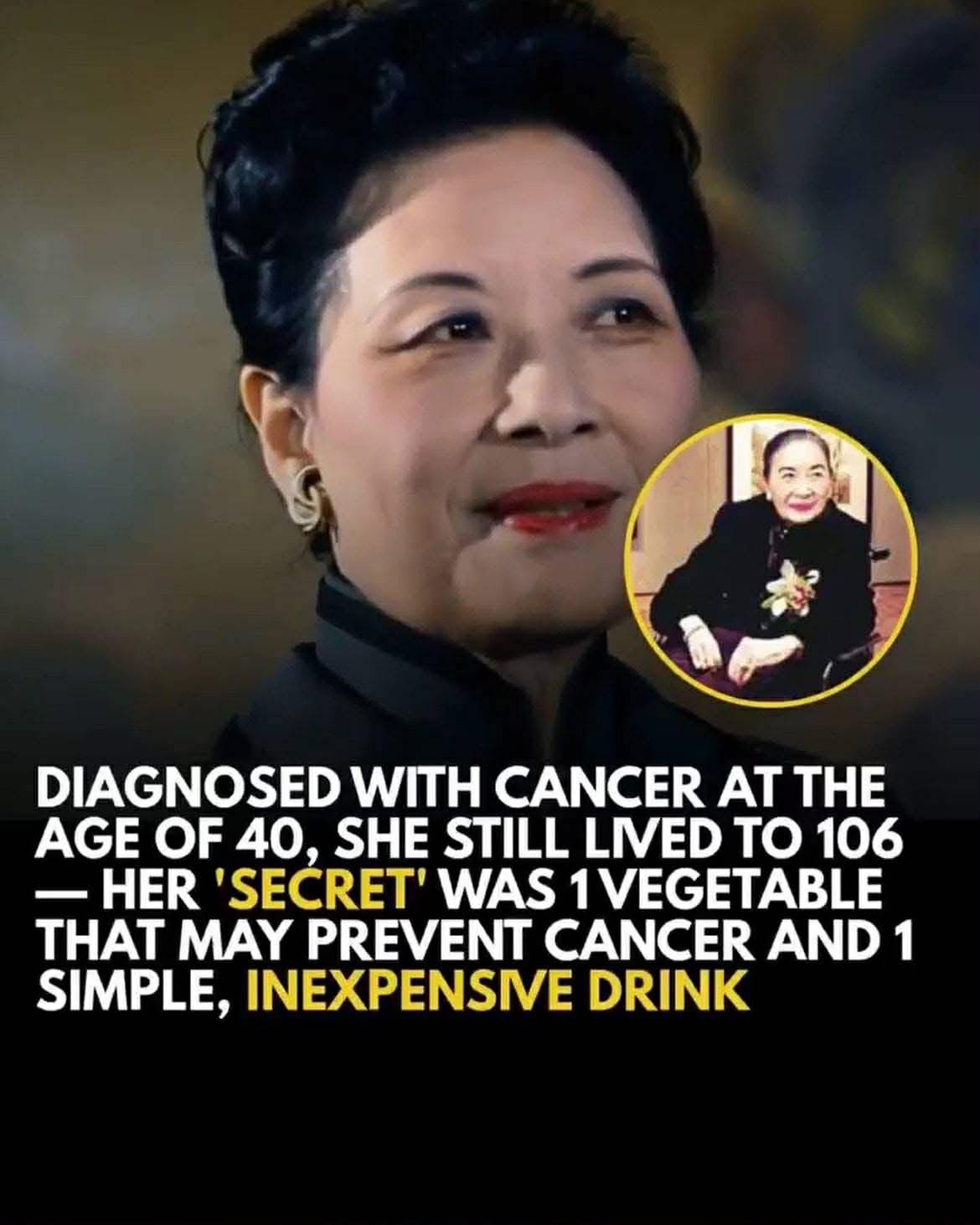
Soong Mei-ling, widely known as Madame Chiang, remains one of the most fascinating historical figures not only for her political influence but also for her extraordinary longevity and resilience.
Living to the age of 106, her life story continues to inspire curiosity, particularly because she overcame cancer at a relatively young age and went on to live for more than six decades afterward.
Born into a wealthy and influential family, Soong Mei-ling was exposed early to privilege, education, and opportunity. Her family played a major role in shaping modern China, and she herself would later become a key figure in international diplomacy. She eventually married Chiang Kai-shek, the leader of Nationalist China, becoming one of the most recognizable women in global politics during the early to mid-20th century.
Yet beyond her public image and political significance, it is her personal life, especially her approach to health and longevity, that continues to capture attention. At the age of 40, she was diagnosed with cancer, a diagnosis that, particularly in that era, often carried a grim outlook. However, she defied expectations. Not only did she survive, but she continued to live a long and active life, ultimately passing away in 2003 at the remarkable age of 106.
Her ability to recover from such a serious illness and maintain her health for decades afterward has led many to examine her lifestyle closely. Observers often point to her disciplined daily routine, her dietary habits, and her deep appreciation for traditional health practices as key factors behind her longevity.
Soong Mei-ling was known for maintaining a consistent and structured daily schedule. She believed in the importance of rest and allowed her body the time it needed to recover and recharge. Her routine typically involved going to bed around 11 p.m. and waking up at 9 a.m., ensuring she received adequate sleep each night. This regular sleep pattern likely played a role in maintaining her physical and mental well-being over the years.
In addition to rest, she placed strong emphasis on mental stimulation and creativity. She dedicated approximately two hours each day to activities such as reading and drawing. These pursuits were not just hobbies but part of a broader philosophy of keeping the mind active and engaged. Mental activity has long been associated with better cognitive health, particularly as people age, and her commitment to these habits reflected a forward-thinking approach to overall wellness.
Her mornings often began with a simple yet refreshing ritual. She would drink a glass of cold water with lemon, a practice that many believe helps with hydration and digestion. While simple, this habit symbolized her consistent attention to small daily actions that could support long-term health.
Diet played a central role in her lifestyle. Soong Mei-ling followed principles rooted in Traditional Chinese Medicine, which emphasizes balance, natural foods, and harmony within the body. Her meals were carefully chosen, focusing on nutrient-rich ingredients that supported both prevention and recovery.
Fruits were an essential part of her diet. She frequently consumed kiwis, pineapples, and lychees, all of which are rich in vitamins, antioxidants, and natural compounds that support the immune system. These fruits not only provided nourishment but also aligned with the idea of using food as a form of medicine.
Vegetables were equally important. One of the staples in her diet was celery, a humble yet highly valued vegetable in traditional health practices. Celery is known for its nutritional benefits, containing vitamins, minerals, and compounds that may support heart health and reduce inflammation. Its accessibility and simplicity made it a practical choice, reflecting her belief that good health does not always require complex or expensive solutions.
Spinach was another key component of her meals. Rich in essential nutrients such as iron, calcium, and vitamins, spinach has long been associated with improved brain function, better digestion, and overall vitality. By incorporating such nutrient-dense foods into her daily routine, she ensured that her body received the support it needed to function effectively.
One of the most distinctive aspects of her eating habits was her approach to portion control. Rather than consuming large meals, she practiced eating smaller amounts more frequently throughout the day. She typically had five meals daily, but she made a conscious effort to stop eating before feeling completely full. She often described this as eating until she was about 70 percent satisfied.
This approach kept her in what she considered a “semi-hungry” state, which she believed helped maintain energy levels and prevent strain on the digestive system. Modern perspectives on nutrition often echo similar ideas, suggesting that moderation and mindful eating can play a role in maintaining a healthy weight and reducing the risk of chronic diseases.
Her disciplined eating habits, combined with her consistent routine, created a lifestyle that prioritized balance and sustainability. Rather than following extreme diets or temporary trends, she adhered to practices that could be maintained over a lifetime.
Beyond diet and routine, her mindset also played a significant role in her longevity. Living through periods of political upheaval, war, and major global change, she demonstrated resilience and adaptability. Maintaining a sense of purpose and staying mentally engaged likely contributed to her overall well-being.
Her life serves as an example of how various factors—nutrition, routine, mental activity, and emotional resilience—can work together to support long-term health. While not every aspect of her lifestyle can be replicated exactly, the principles behind her choices remain relevant.
Today, many people continue to draw inspiration from her habits, particularly those related to mindful eating and balanced living. Her story is often referenced by individuals seeking to improve their health, manage their weight, or simply adopt a more structured and intentional approach to daily life.
Soong Mei-ling’s journey from a cancer diagnosis at 40 to living well past a century stands as a powerful reminder of the potential impact of consistent habits and a holistic approach to health. Her life was not defined by a single factor but by a combination of choices that, over time, contributed to her remarkable longevity.
Her legacy extends far beyond politics and history. It lives on in the lessons she left behind about caring for the body, nurturing the mind, and embracing a lifestyle built on balance, discipline, and awareness.