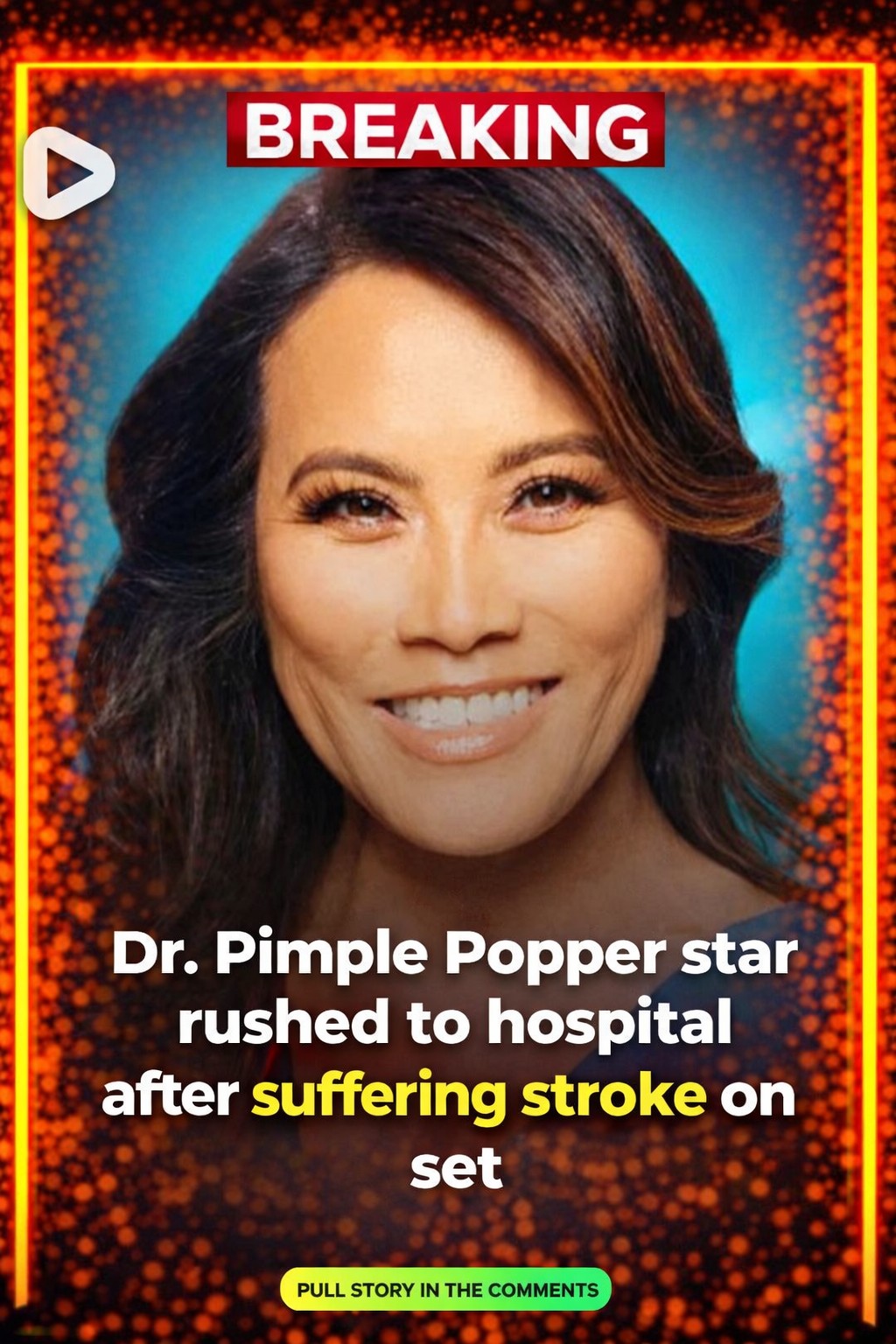
Sandra Lee s collapse from confident TV surgeon to frightened patient was as sudden as it was surreal. One moment she was guiding viewers through another intense procedure, the next she was drenched in sweat, her leg searing with pain, her left hand buckling as she tried to hold it steady.
When her speech began to slip, instinct told her what no one wants to admit. This was not exhaustion. This was life or death. The woman who had made a career out of remaining calm under pressure, who had drained cysts and removed lipomas while chatting casually with patients, suddenly found herself on the other side of the scalpel. And it terrified her.
The stroke happened between takes. There was no dramatic on camera moment. No warning. Just a sudden, overwhelming sense that something was deeply wrong. She tried to shake it off at first. Told herself she was just tired. The schedule had been brutal. Long hours. Early call times. The pressure of being the face of a hit show. But the symptoms would not stop. Her leg felt like it was on fire. Her hand would not obey commands. And when she tried to speak, the words came out wrong. That was the moment she knew. She needed help. Not later. Now.
Production stopped immediately. Crew members who had worked with her for years watched in horror as she was helped off the set. Someone called an ambulance. Someone else called her husband. The waiting room was chaos. The hospital was worse. She lay on a gurney, staring at the ceiling, wondering if she would ever walk normally again. Wondering if she would ever speak clearly again. Wondering if she would ever hold a scalpel again. Those were not dramatic questions. They were practical. Her career. Her identity. Her life. All of it hanging in the balance while doctors ran tests and nurses checked vitals and the clock ticked.
At the hospital, an MRI confirmed her fear. An ischemic stroke. A portion of her brain gone. Not damaged. Not bruised. Gone. The words hit her like a physical blow. She had spent years educating others about health, but she had never imagined herself as the patient. She had never considered that the body she relied on could betray her so suddenly, so completely. The medical team explained what had happened, what it meant, and what came next. There would be therapy. There would be uncertainty. There would be no shortcuts.
Production halted for the first time in franchise history as she relearned simple movements. Walking. Grasping. Speaking. Things she had done without thinking for decades suddenly required focus and effort. There were good days and bad days. Progress and setbacks. She cried in private so her family would not worry. She pushed herself harder than the therapists recommended because she was afraid of what would happen if she stopped. The fear of another stroke, of a worse outcome, of leaving her children without a mother, was always there. She learned to live with it. She had no choice.
Now back on set, Lee is using her platform to confront the shame and secrecy surrounding strokes, especially in Asian communities, where health issues are often kept private. She has spoken openly about her symptoms, her recovery, and her ongoing fears. She wants viewers to know that strokes do not only happen to the elderly. They do not only happen to people with obvious risk factors. They can happen to anyone. At any time. Without warning. And the difference between recovery and catastrophe often comes down to one thing. Speed. Getting help fast. Not waiting. Not hoping it will pass. Not being too embarrassed to call for an ambulance.
Her message has resonated far beyond her usual audience. Stroke survivors have reached out to thank her for speaking out. Families have shared their own stories. Medical professionals have praised her for raising awareness. The conversation she started is bigger than one TV show. It is about breaking taboos. About normalizing vulnerability. About understanding that asking for help is not weakness. It is survival.
She still gets nervous before procedures. Still checks her hands for tremors. Still monitors her speech for any sign of slipping. The fear does not go away. But neither does her determination. She returns to set because she loves her work. Because her patients trust her. Because she refuses to let a stroke define her. She is not the same person she was before. But she is still standing. Still working. Still fighting. And that, she says, is the real victory. Not the ratings. Not the fame. Just showing up, day after day, and refusing to give in. That is what she wants people to remember. Not the drama of the collapse. The courage of the comeback. And the importance of listening to your body before it forces you to listen. Because sometimes, the symptoms you ignore are the ones that matter most. And sometimes, the person who saves your life is not a doctor. It is you. Recognizing that something is wrong. And refusing to pretend it is not. That is not weakness. That is wisdom. And it can save your life. She is living proof.