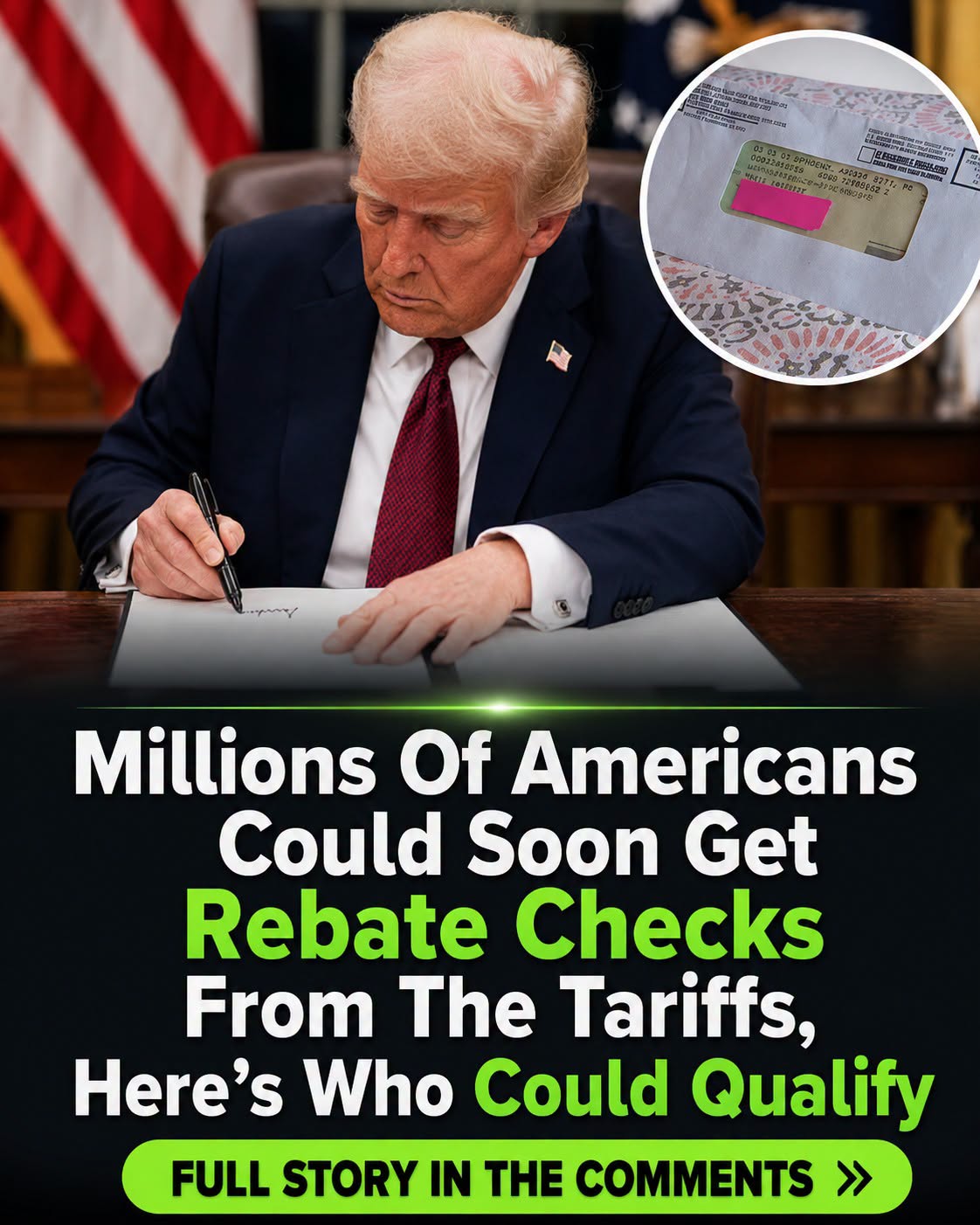
A new proposal making its way through Washington is generating widespread attention after lawmakers introduced the idea of sending tariff rebate checks directly to American households.
If approved, the plan could provide eligible individuals and families with hundreds or even thousands of dollars, offering financial relief at a time when many households continue to struggle with the rising cost of everyday living.
While the proposal has already sparked political debate, its central question is straightforward.
If American consumers ultimately paid the higher costs created by tariffs, should they now receive some of that money back?
Supporters believe the answer is yes.
For years, tariffs have been one of the most heavily debated economic tools in American politics.
Governments often impose tariffs on imported goods as a way to encourage domestic manufacturing, protect certain industries, or place economic pressure on foreign trading partners.
Although tariffs are technically paid by importing companies, economists have long noted that those costs frequently work their way through the supply chain.
Businesses often pass at least part of the added expense along to consumers through higher prices.
That means shoppers may ultimately pay more for products ranging from household appliances and electronics to furniture, clothing, construction materials, and everyday consumer goods.
While the exact impact varies depending on the product and market conditions, many analysts agree that tariffs can influence prices paid by ordinary consumers.
The latest discussion gained momentum following recent legal and political developments surrounding federal tariff policies.
Those events prompted renewed conversations among lawmakers about whether revenue collected through tariffs should be returned, at least in part, to the taxpayers who may have absorbed higher prices over the years.
Several members of Congress have suggested that a rebate program could accomplish that goal.
Rather than allowing tariff revenue to remain entirely within government accounts, supporters propose distributing some of those funds directly to eligible Americans.
The concept has drawn comparisons to previous federal stimulus payments issued during periods of economic disruption.
However, advocates emphasize that the proposed rebate would serve a different purpose.
Instead of responding to a national emergency, the payments would be tied specifically to revenue generated through tariffs.
According to proposals discussed publicly, individual payments could reach approximately $600, while qualifying families could receive amounts exceeding $1,200, depending on how the legislation is ultimately structured.
It is important to note that no final law has been approved.
The exact payment amounts, eligibility requirements, income limits, and distribution schedule remain subjects of ongoing legislative discussion.
As with any proposal moving through Congress, changes are possible before any final decision is reached.
Lawmakers supporting the idea argue that many American families continue facing financial pressure from inflation, higher housing costs, increased food prices, and other everyday expenses.
Even modest financial assistance, they argue, could provide meaningful support for households managing tight budgets.
For many Americans, unexpected expenses have become increasingly difficult to absorb.
A vehicle repair.
A medical bill.
An appliance that suddenly stops working.
Small financial setbacks can quickly become significant challenges for families already balancing rising monthly costs.
Supporters believe rebate payments could help ease some of that pressure.
Some have suggested recipients might use the funds to reduce debt, pay utility bills, purchase groceries, build emergency savings, or cover other essential household expenses.
Critics, however, have raised several questions.
Some economists argue that direct rebate programs may provide only temporary relief while failing to address the broader economic issues influencing prices.
Others question whether distributing tariff revenue represents the most effective use of government funds.
There are also ongoing debates about whether tariffs themselves produced the consumer costs that supporters claim.
Economists have expressed differing opinions regarding the overall impact of tariffs, with many noting that global supply chains, inflation, labor costs, transportation expenses, and market conditions all contribute to the prices consumers ultimately pay.
As a result, discussions surrounding tariff rebates have become part of a much larger conversation about economic policy.
Beyond the financial questions, the proposal also carries political significance.
Previous rounds of federal payments became highly visible public events, often accompanied by extensive political messaging and public debate.
Some lawmakers have emphasized that any future rebate should remain focused solely on providing financial assistance rather than serving as a political symbol.
Their stated goal is to create a straightforward relief program without unnecessary controversy surrounding its presentation.
Whether that objective can be achieved remains uncertain as political negotiations continue.
Like many pieces of proposed legislation, the rebate plan must move through multiple stages before becoming law.
Committees must review the language.
Both chambers of Congress would need to approve the legislation.
The president would then need to sign the final bill before any payments could be issued.
Each step presents opportunities for revisions, negotiations, or delays.
Until that process is completed, Americans should view the proposal as exactly that a proposal rather than a guaranteed payment.
Still, the discussion reflects growing concern about the financial challenges many households continue to face.
The rising cost of living has remained one of the country’s most significant economic concerns, affecting families across a wide range of income levels.
Whether through tax changes, rebate programs, or other forms of economic assistance, lawmakers continue searching for ways to provide relief while balancing broader budget priorities.
For now, millions of Americans will be watching closely as the proposal develops.
If Congress ultimately approves the plan, eligible households could receive meaningful financial assistance funded through tariff revenue collected over recent years.
If the legislation fails to advance, the debate itself will likely continue as policymakers examine additional ways to address consumer costs and household financial pressures.
One thing remains clear.
Questions surrounding tariffs are no longer limited to international trade.
They have become part of a larger national conversation about affordability, economic fairness, and whether government policy should return money directly to the people who may have carried much of the financial burden.
As negotiations continue in Washington, families across the country will be waiting to see whether those discussions eventually translate into real financial relief arriving in their mailboxes or direct deposits into their bank accounts.