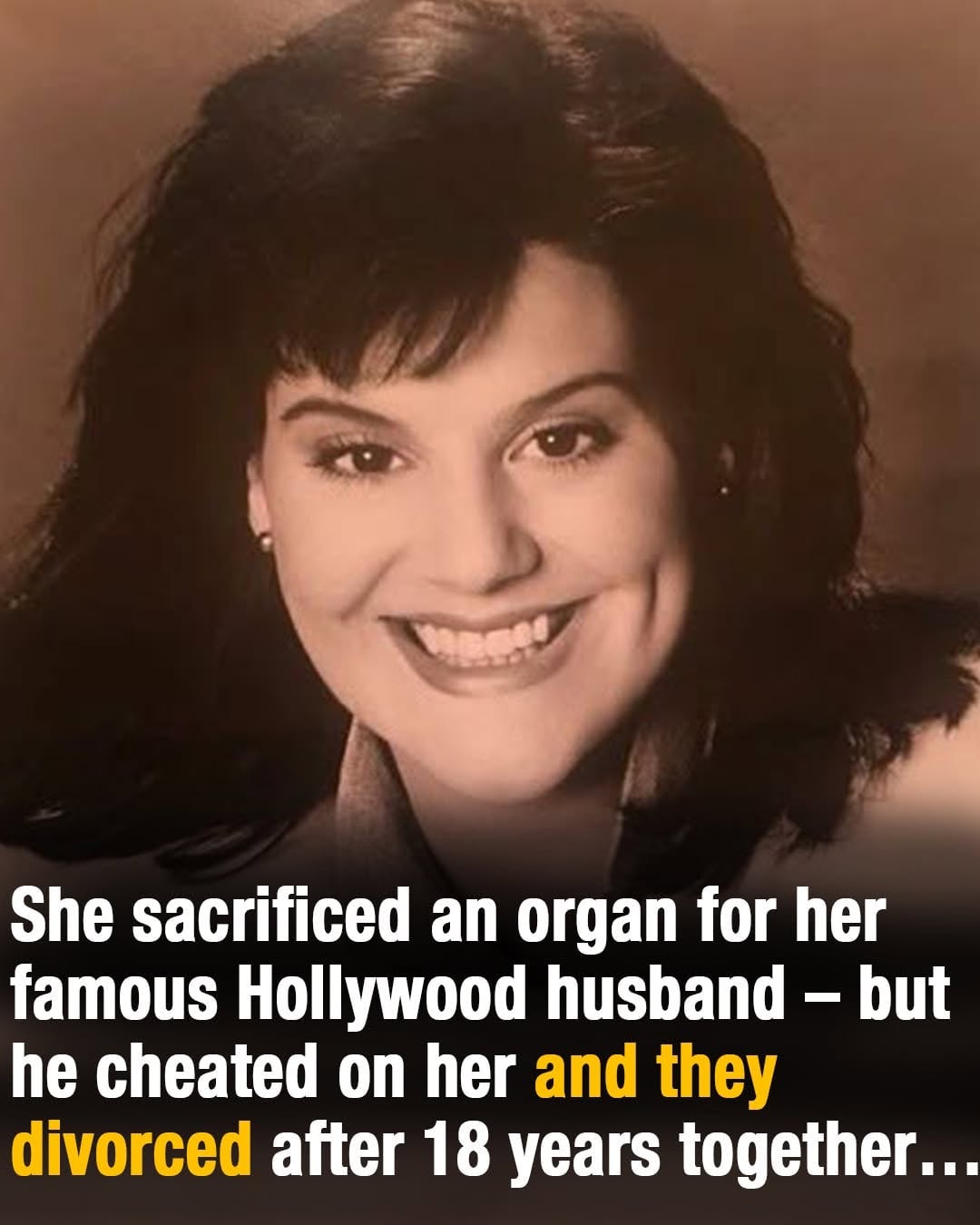
For years, George Lopez and Ann Serrano seemed like one of Hollywood’s strongest couples.
They laughed together on red carpets, raised a daughter, built a successful career side by side, and survived challenges that would have broken many marriages. Their relationship appeared to embody loyalty, resilience, and unconditional support.
Then came a decision that stunned everyone.
When George’s health rapidly deteriorated, Ann made a sacrifice few people would ever be willing to make.
She gave him one of her kidneys.
The surgery saved his life.
Many believed it would strengthen their marriage forever.
Instead, the years that followed would reveal a far more complicated story one marked by betrayal, heartbreak, forgiveness, and an unexpected journey toward healing.
To understand what happened, it helps to understand where George Lopez came from.
Long before he became one of America’s most recognizable comedians, his childhood was defined by abandonment.
His father left when George was still an infant.
A few years later, his mother also walked away.
He was raised primarily by his maternal grandmother, Benita Gutierrez, while his grandfather worked long hours.
Although his grandmother provided stability, George has often described the household as emotionally distant.
Affection was rare.
Encouragement was limited.
The loneliness of feeling unwanted followed him throughout childhood.
Comedy became his escape.
Making people laugh offered something he struggled to find elsewhere: connection.
By the time he entered adulthood, George was determined to create a different future.
He worked relentlessly on the comedy circuit, gradually building a reputation with audiences who connected with his honest observations about family, identity, and Latino life in America.
Success did not arrive overnight.
Years of small clubs, long drives, and uncertain paychecks eventually led to television opportunities.
His sitcom became a major success, turning him into one of the most influential Latino entertainers in Hollywood.
Behind the scenes, however, another person played an enormous role in that success.
Ann Serrano.
The actress and producer met George in the early 1990s.
The two married in 1993 and welcomed their daughter, Mayan.
Friends often described Ann as a grounding influence in George’s life.
She supported his career while building her own, helped manage the growing pressures of fame, and together they created a family that appeared deeply connected.
Then life delivered an unexpected crisis.
George had been living with a congenital kidney disorder for years.
The disease gradually worsened.
By the early 2000s, doctors warned that he would eventually need a transplant.
Without one, his health would continue to decline.
Finding a suitable donor is often a long and uncertain process.
Many patients spend years on waiting lists.
Ann never hesitated.
After testing confirmed she was a compatible match, she volunteered to donate one of her kidneys.
The operation took place in 2005.
It was a major medical procedure carrying real risks for both donor and recipient.
Still, Ann believed the decision was simple.
She wanted her husband to live.
The transplant was successful.
George recovered.
His health improved dramatically.
The story captured national attention.
Many people viewed the couple as an extraordinary example of devotion.
A wife had literally given part of herself to save the man she loved.
George publicly expressed enormous gratitude.
He acknowledged that without Ann’s generosity, he might not have survived.
For a time, everything seemed hopeful.
Yet beneath the surface, the marriage was becoming increasingly fragile.
Fame brought new pressures.
Busy schedules kept them apart.
The demands of television, touring, and constant public attention placed enormous strain on their relationship.
Eventually, the cracks widened.
Reports of infidelity emerged.
Although neither spent years publicly detailing every aspect of their private struggles, both acknowledged that trust had been broken.
For Ann, the betrayal was devastating.
She had stood beside George through illness.
She had sacrificed physically to save his life.
Now she faced the realization that their marriage could not survive.
In 2010, after seventeen years together, Ann filed for divorce.
The split generated widespread media attention.
Many focused on one painful question.
How could a marriage survive kidney donation but not infidelity?
Ann herself refused to reduce the situation to simple headlines.
Rather than portraying herself as a victim, she consistently spoke with dignity.
She explained that people are complicated.
Relationships are complicated.
Acts of love do not guarantee lifelong happiness.
The kidney donation had never been a transaction.
She did not save George’s life expecting permanent repayment.
She did it because, at that moment, she loved him.
That truth remained unchanged even after the marriage ended.
The divorce, however, deeply affected someone else.
Their daughter, Mayan.
As a child, she had watched her parents build a family together.
Now she witnessed that family unravel in public.
The emotional impact was profound.
Mayan has openly discussed how difficult those years became.
She struggled with feelings of anger and disappointment toward her father.
For a period of time, communication between them nearly disappeared.
The silence lasted for years.
George later admitted that rebuilding his relationship with his daughter became one of the greatest challenges of his life.
Healing required more than apologies.
It required consistency.
Patience.
Honesty.
Both father and daughter eventually chose to confront their past rather than avoid it.
That decision ultimately inspired an unusual creative project.
Their television series, Lopez vs Lopez, draws heavily from their real relationship.
The fictional story follows a father and daughter attempting to repair years of emotional distance.
Many scenes mirror experiences they actually lived.
Arguments.
Misunderstandings.
Moments of reconciliation.
Instead of pretending everything had always been perfect, they transformed painful memories into conversations that audiences found both funny and deeply relatable.
Comedy once again became George’s language for survival.
Only this time, it also became a bridge back to his daughter.
Perhaps the most surprising part of the story, however, is what happened between George and Ann.
Despite everything—the transplant, the betrayal, the divorce they eventually found a new kind of relationship.
Friendship.
Neither attempted to rewrite history.
Neither denied the hurt.
Instead, they chose mutual respect.
Ann has continued speaking kindly about George, particularly when discussing their daughter and their shared history.
George has repeatedly expressed gratitude for everything Ann did, both during their marriage and in saving his life.
The romantic relationship ended.
The appreciation did not.
Their story refuses to fit neatly into categories of heroes and villains.
George’s childhood trauma helps explain many of his emotional struggles but does not excuse the mistakes he made.
Ann’s extraordinary generosity does not erase the pain she later experienced.
Both truths exist together.
Perhaps that is why their story continues to resonate.
It reminds us that real life is rarely simple.
People can perform incredible acts of love and still hurt one another.
Families can fracture and still find ways to reconnect.
Forgiveness does not always restore a marriage, but it can create peace where bitterness once existed.
Today, George Lopez remains one of America’s best-known comedians.
Ann continues her own work while maintaining a close relationship with their daughter.
Mayan has built her own career, standing beside her father not because the past disappeared, but because they chose to face it together.
The kidney Ann donated continues doing exactly what it was meant to do.
It keeps George alive.
Their marriage did not survive.
But the compassion behind that life-saving decision still stands as one of the most remarkable acts of love Hollywood has ever witnessed—proof that even when relationships change beyond recognition, the choices people make in their finest moments can continue shaping lives for decades.