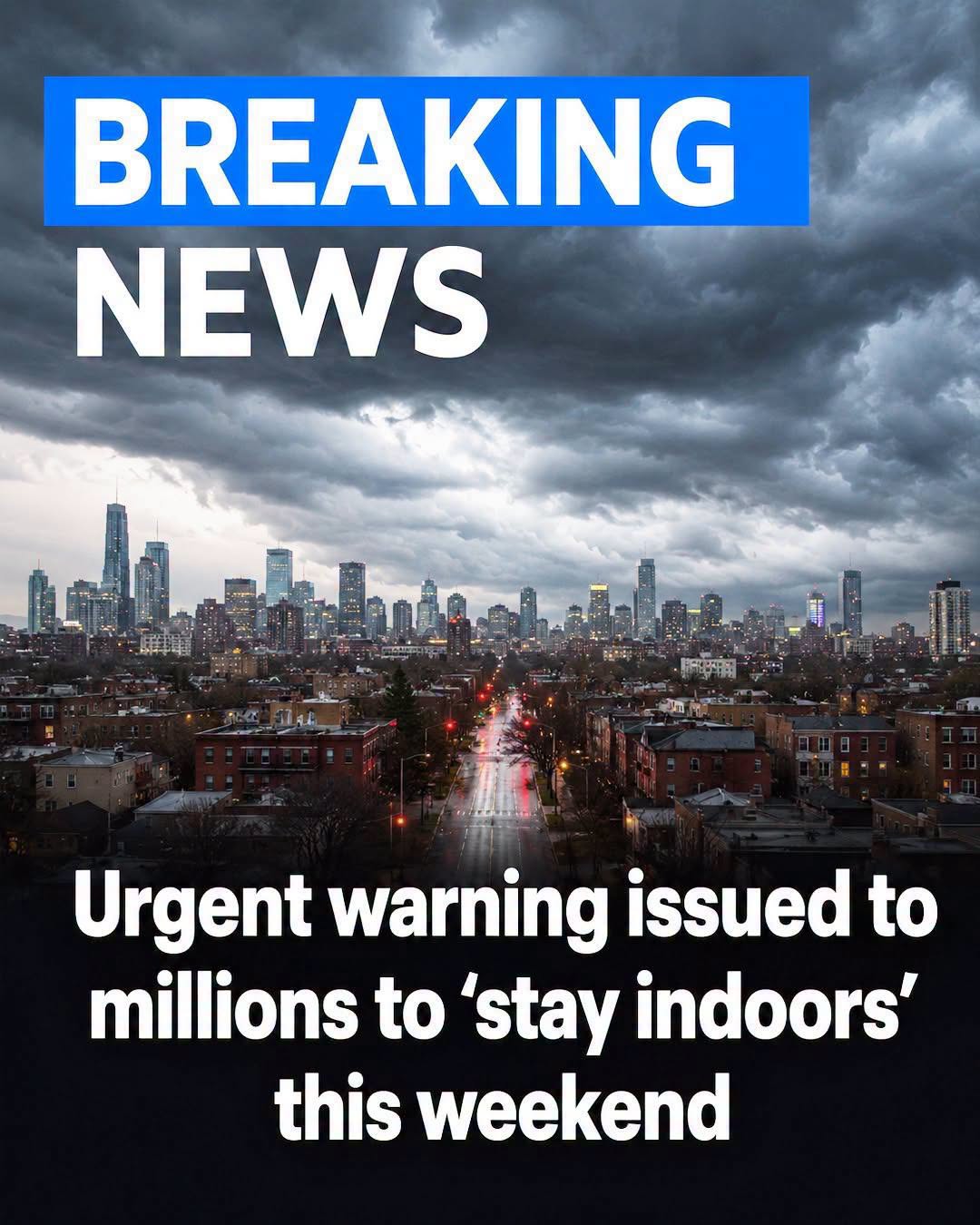
A growing weather system described by forecasters as an intense early-season heat dome has triggered urgent warnings across large parts of the United States, with officials advising millions of residents to stay indoors as temperatures surge far beyond seasonal norms.
What is unfolding, meteorologists say, is not simply an unusually warm spell. Instead, it is a large-scale atmospheric event trapping heat over wide regions, creating conditions more typical of midsummer in areas that should still be transitioning out of winter.
From Texas to Nevada, and extending into parts of the northern plains, temperature readings are climbing at a pace that has caught both residents and experts off guard. Cities that would normally expect mild spring conditions are instead approaching or surpassing the 100°F mark, while regions in the Dakotas are experiencing heat levels more commonly associated with peak summer months.
The result is a widespread sense of environmental imbalance.
Forecasters describe the heat dome as a kind of atmospheric lid that forms when high-pressure systems become stationary. This “lid” traps warm air beneath it, preventing clouds from forming and blocking cooler air from entering the region. As the system strengthens, heat builds day after day, intensifying conditions on the ground.
The sun, unobstructed by cloud cover, becomes increasingly relentless.
Pavement absorbs and radiates heat.
Buildings retain warmth overnight.
Even nighttime temperatures remain elevated, offering little relief.
Officials have emphasized that the current system is particularly concerning because of its timing. Heat domes are not unusual in peak summer months, but their appearance in early spring signals a shift in weather patterns that can have far-reaching consequences.
Public safety agencies in multiple states have issued advisories urging residents to remain indoors during peak afternoon hours, limit outdoor activity, and check on vulnerable populations including the elderly, young children, and individuals with pre-existing health conditions.
The danger, authorities warn, is not limited to discomfort.
Extended exposure to extreme heat can quickly lead to dehydration, heat exhaustion, and in severe cases, heat stroke. Medical professionals stress that these conditions can develop rapidly, especially for individuals working outdoors or without access to air conditioning.
Hospitals in affected regions are preparing for increased heat-related emergencies, particularly as temperatures continue to climb.
But the risks extend beyond human health.
Environmental conditions created by the heat dome are also raising alarm among fire management officials. Dry air combined with prolonged heat has created ideal conditions for wildfires to ignite and spread rapidly. Vegetation across wide areas is losing moisture, turning landscapes into highly flammable terrain.
In many regions, grasslands, forests, and rural areas are described as being in a tinder-like state.
Officials warn that even a small ignition source could trigger fast-moving fires.
Downed power lines, vehicle sparks, discarded cigarettes, or controlled burns can quickly escalate under such conditions. Once started, fires may spread faster than crews can contain them, particularly in areas with strong winds or limited water access.
Fire departments across multiple states have increased readiness levels, pre-positioning resources and coordinating mutual aid agreements in anticipation of potential outbreaks.
Utility companies are also monitoring the strain on electrical grids. As temperatures rise, demand for air conditioning and cooling systems surges, placing pressure on infrastructure not yet fully adapted to sustained early-season heat. In some areas, rolling outages remain a possibility if demand exceeds supply.
Agricultural regions are also feeling the effects.
Farmers report signs of stress in early crops, with soil moisture levels dropping faster than expected for this time of year. Livestock operations are taking additional precautions to prevent heat stress among animals, including increased water distribution and shaded sheltering.
Experts say the broader concern is not just the intensity of the current event, but its timing and frequency.
When extreme heat arrives earlier in the year, ecosystems and infrastructure are often unprepared. Plants that depend on gradual seasonal warming can suffer damage. Water reserves may be depleted earlier in the season. Energy systems designed for predictable patterns are forced to adapt on the fly.
Meteorologists tracking the system note that the heat dome is expected to persist for several days before gradually weakening. However, they caution that even after it breaks down, lingering instability could continue to produce erratic weather patterns in its aftermath.
The broader implications of such events are becoming increasingly difficult to ignore.
What once would have been considered rare or exceptional heat is now appearing with greater frequency in transitional seasons. Scientists point to shifting atmospheric behavior that allows high-pressure systems to stall for longer periods, intensifying both heat and dryness.
For residents in affected regions, the immediate focus remains survival and adaptation.
Public advisories emphasize simple but critical precautions: staying hydrated, avoiding strenuous outdoor activity, keeping blinds closed during peak sunlight hours, and ensuring access to cooling systems whenever possible.
Community centers and cooling shelters have been opened in several cities to provide relief for those without adequate home cooling. Emergency services are encouraging neighbors to check on one another, particularly in rural or isolated areas where support systems may be limited.
While the heat dome will eventually dissipate, its impact is expected to linger in both physical and economic terms. Infrastructure stress, agricultural losses, and increased emergency response costs are all anticipated outcomes of the prolonged extreme temperatures.
For many experts, however, the most significant takeaway is symbolic.
Events like this are reshaping expectations of what seasonal weather looks like. The boundary between spring and summer is becoming less predictable, and the frequency of extreme temperature spikes is challenging long-held assumptions about climate stability.
As the system continues to hold its grip over large parts of the country, officials maintain their message: remain indoors where possible, take extreme caution outdoors, and treat the current conditions as a serious public health and safety threat.
The dome will pass.
But its intensity has already left a lasting reminder of how quickly familiar weather patterns can shift into something far more dangerous.