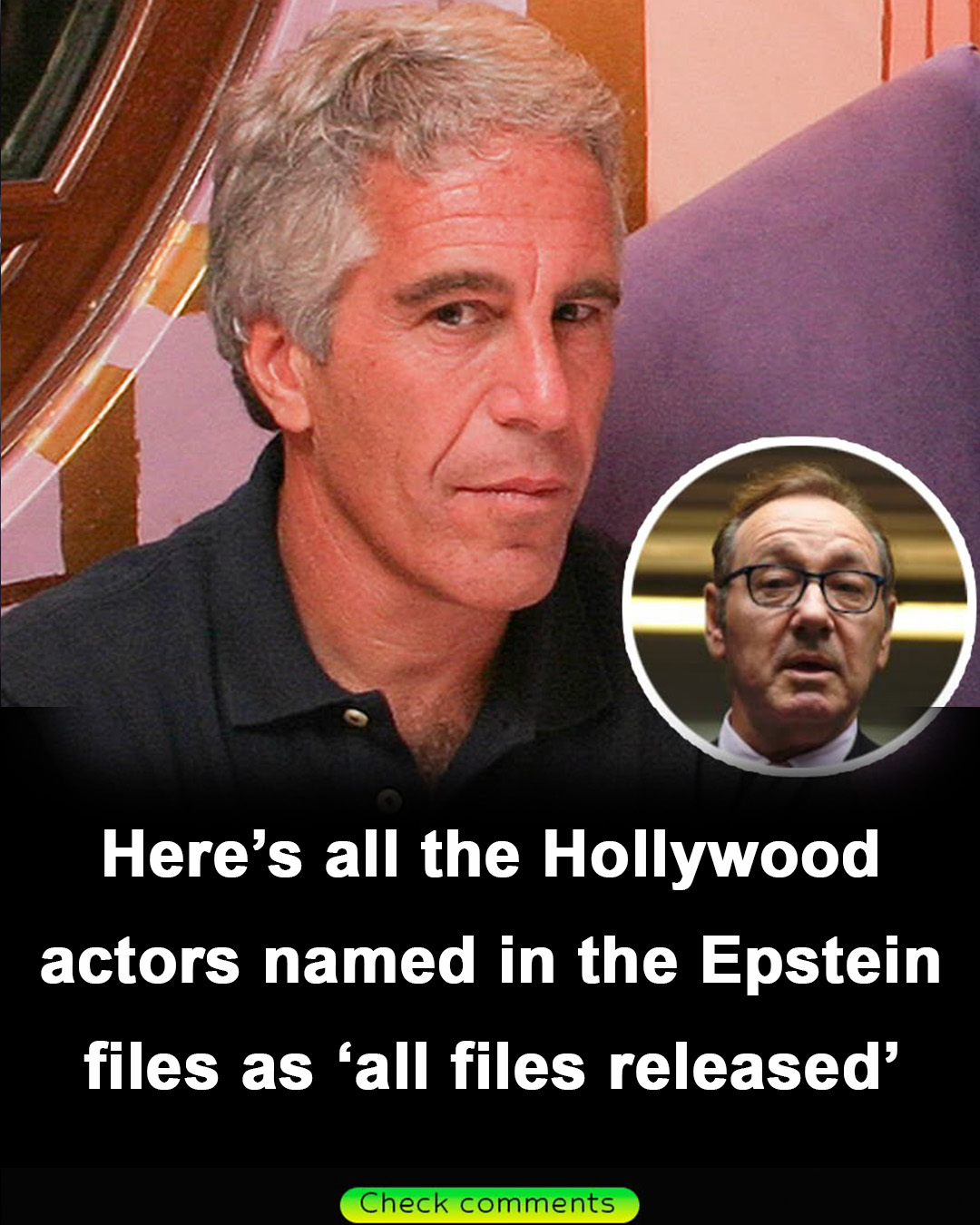
The release of newly examined records connected to Jeffrey Epstein has once again thrown powerful institutions, wealthy elites, and major public figures into uncomfortable public scrutiny.
But this time, the shockwaves moving through Hollywood feel especially intense.
For years, the entertainment industry has relied heavily on image.
Carefully managed interviews, red carpet appearances, charitable campaigns, and polished public relations strategies helped build the illusion that fame could somehow exist separately from the darker realities surrounding power and influence. Now, as more Epstein-related documents circulate publicly, that illusion is being tested in ways few studios, agents, or celebrities can fully control.
Among the names drawing attention are prominent entertainment figures such as Kevin Spacey, Woody Allen, Barbra Streisand, Casey Wasserman, and Robert De Niro. Their appearances within various records, contact lists, references, or associated materials immediately ignited online speculation and widespread debate.
Officials and legal experts have repeatedly emphasized an important distinction: appearing in documents connected to Epstein does not automatically imply criminal wrongdoing, knowledge of crimes, or direct involvement in illegal activity.
But public reaction rarely operates with legal precision.
For many people, proximity alone now carries emotional and reputational consequences. In a culture shaped by distrust toward elites and institutions, even indirect association with Epstein can feel deeply damaging regardless of context. Once a name becomes linked publicly to his network, the connection often takes on a life of its own online.
That reality has placed Hollywood in an increasingly fragile position.
The entertainment industry depends heavily on public perception. Careers are built not only on talent, but on trust, likability, and carefully maintained personal brands. Audiences often develop emotional relationships with celebrities, projecting admiration, morality, and familiarity onto people they have never actually met.
When that perception cracks, the fallout can be enormous.
And Epstein’s shadow has become uniquely toxic in public consciousness.
His crimes, wealth, and connections to powerful figures transformed him into more than a disgraced financier. He became a symbol of hidden privilege, secrecy, and systems that appeared to protect influential people while victims struggled to be heard. Because of that symbolism, any connection to him now carries extraordinary emotional weight.
The latest document releases intensified that tension dramatically.
As internet users, journalists, commentators, and political activists comb through thousands upon thousands of pages, each newly noticed name generates waves of speculation. Screenshots spread across social media within minutes. Old photographs resurface. Past interviews are revisited. Innocent meetings, social appearances, or professional interactions suddenly become subjects of intense public analysis.
Hollywood finds itself trapped inside a conversation it can no longer fully manage.
For decades, the entertainment industry operated through tightly controlled systems of access and influence. Relationships mattered enormously. Exclusive parties, private dinners, charity events, and elite social circles blurred together business, fame, and personal networking. In many cases, public figures attended the same gatherings simply because wealthy and influential people often move within overlapping circles.
That reality now looks very different through modern eyes.
People increasingly question not only who attended certain events, but what responsibilities come with proximity to power itself. The conversation has shifted beyond legal guilt toward broader moral accountability.
Did people ignore warning signs?
Did influential circles protect one another?
How much silence existed simply because speaking out threatened careers, reputations, or access?
Those questions haunt Hollywood now more than ever.
The Epstein documents have become more than evidence files or court materials. They have evolved into symbols of a deeper cultural reckoning involving wealth, celebrity, and institutional protection. The public is no longer satisfied with simplistic explanations or carefully worded statements alone. There is growing demand for transparency, accountability, and honesty about how elite systems operate behind closed doors.
For celebrities named in records, even indirectly, the challenge becomes nearly impossible to navigate.
Denying wrongdoing may not fully repair public perception.
Remaining silent creates suspicion.
Responding emotionally risks fueling more headlines.
In the social media era, nuance often disappears quickly. A single mention inside a document can instantly become viral content stripped of legal context or factual complexity. Audiences process information emotionally first, especially when scandals involve famous names, abuse allegations, and hidden networks of influence.
That emotional response explains why the current controversy feels larger than individual celebrities themselves.
People are reacting not only to names, but to what those names represent.
Hollywood has long sold fantasy, glamour, and aspiration to the public. Yet over the past decade, scandals involving abuse, exploitation, harassment, and institutional silence have repeatedly shattered that polished image. From the rise of the MeToo movement to growing distrust toward powerful industries, audiences increasingly question how much misconduct remained hidden behind fame and success for years.
The Epstein files reopened those wounds.
They reminded people how often enormous wealth and social influence create environments where accountability becomes blurred. Powerful individuals gain access to exclusive spaces, relationships, and protections unavailable to ordinary people. In those worlds, lines between business, politics, entertainment, and personal relationships often overlap in ways outsiders rarely fully see.
That overlap is exactly what now troubles so many observers.
The issue is no longer simply whether someone committed a crime. For many members of the public, the deeper concern involves systems themselves systems where influential people appear repeatedly connected to one another while consequences fall unevenly depending on status and power.
Hollywood’s discomfort reflects that broader cultural shift.
For generations, celebrity culture encouraged audiences to view famous people almost mythologically. Actors, musicians, and public figures were elevated into symbols larger than ordinary life. Social media changed that dynamic permanently. Today, celebrities exist under constant public examination, where every photograph, relationship, and past interaction can be rediscovered instantly.
There are no truly forgotten associations anymore.
And once public suspicion forms, it rarely disappears completely.
For some people named in Epstein-related materials, the controversy may ultimately amount to nothing beyond social or professional discomfort. For others, scrutiny may continue growing as journalists and investigators analyze records more deeply. But regardless of individual outcomes, the larger cultural damage has already taken hold.
Trust continues eroding.
Faith in institutions continues weakening.
And the public appetite for accountability continues intensifying.
Perhaps most importantly, the conversation surrounding the Epstein files has forced many people to confront an unsettling possibility: that systems built around wealth, access, and influence often encourage silence more effectively than direct corruption ever could.
Not because everyone involved commits crimes.
But because proximity to power can make people reluctant to ask difficult questions, challenge uncomfortable behavior, or risk exclusion from elite circles.
That may be the most haunting part of the entire scandal.
Not simply who appeared in records, but how easily environments of privilege can normalize looking away.
Now, as Hollywood faces another wave of public scrutiny, the industry confronts a painful reality it can no longer easily script around. Audiences are no longer interested only in talent, fame, or carefully managed image.
They want to know who people truly were when the cameras were off.