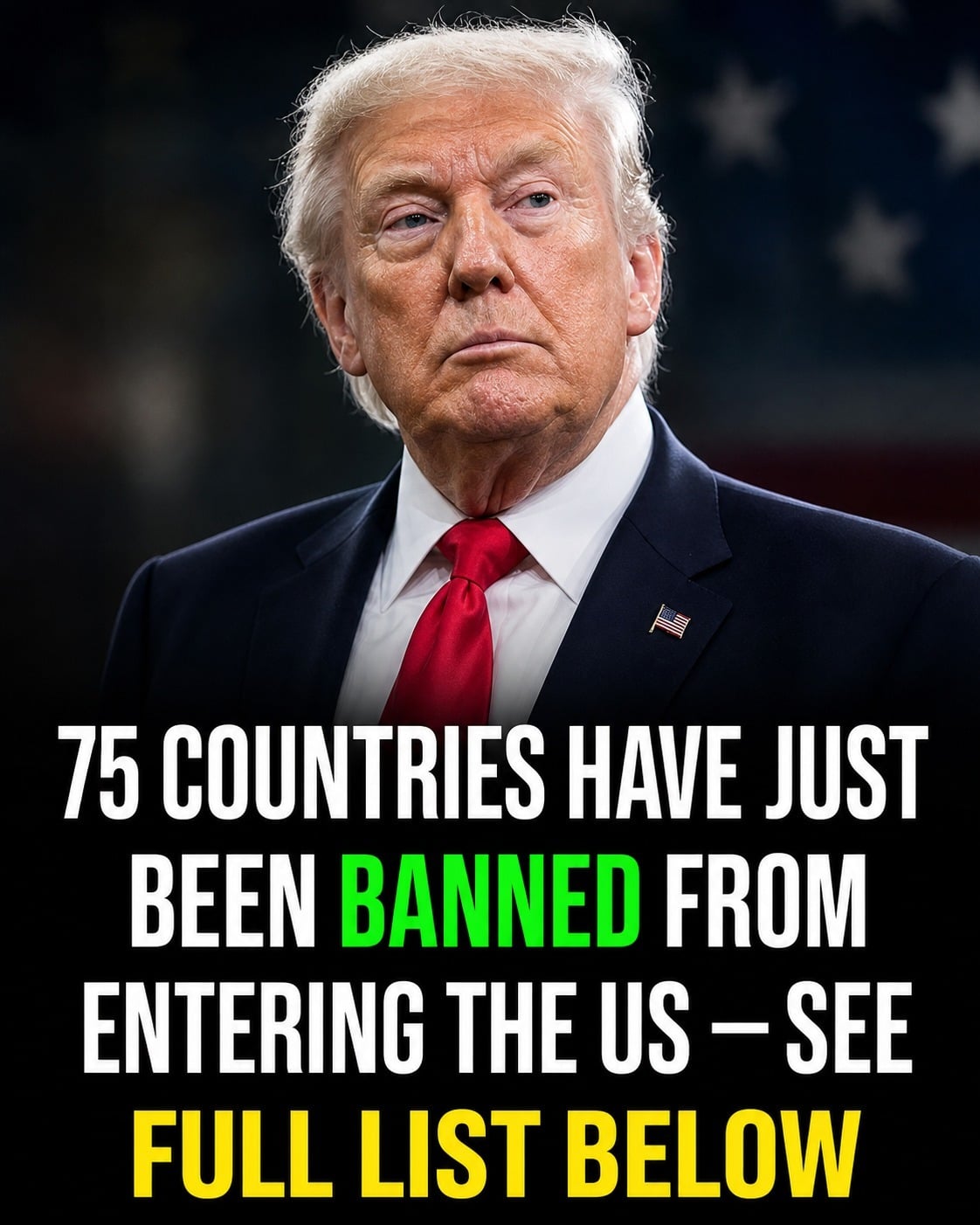
In a matter of moments, a policy shift announced in Washington transformed what had been a predictable, if often stressful, immigration process into a wave of uncertainty felt across the globe.
What officials described in measured language as a temporary pause for review has quickly become something far more disruptive for the people caught in its path. From major diplomatic hubs to smaller consular offices, the impact has been immediate and deeply personal, touching thousands of lives in ways that no policy memo can fully capture.
Across cities like Lagos, Manila, Istanbul, and Bogotá, individuals and families who had spent months or even years preparing for a move to the United States suddenly find themselves in limbo. Many had already taken irreversible steps. Homes were sold, careers were put on hold, school enrollments were canceled, and long-standing plans were set in motion under the assumption that approvals were imminent. Now, instead of boarding flights or starting new chapters, they are waiting without a clear timeline and often without meaningful communication about what comes next.
The official explanation centers on security and financial scrutiny. Authorities emphasize the need to reassess procedures, ensure that applicants meet updated standards, and strengthen safeguards designed to protect national interests. In this framing, the pause is presented not as a shutdown, but as a necessary recalibration, one intended to refine the system rather than dismantle it. Supporters argue that such measures are long overdue, pointing to concerns about vetting processes and the importance of ensuring that new arrivals can sustain themselves without placing strain on public resources.
Yet beyond these policy arguments lies a far more complicated human reality. For many, the consequences of the pause are not abstract but immediate and painful. Weddings carefully planned across continents are being postponed indefinitely. Medical treatments scheduled in American hospitals are now uncertain, leaving patients and families scrambling for alternatives. Elderly parents who were expecting to reunite with children now face extended periods of isolation. Parents miss milestones births, graduations, and critical life events because the pathway that was once open has suddenly narrowed.
The emotional toll is compounded by the lack of clarity. Applicants describe receiving little more than vague instructions to wait, with no indication of how long the pause will last or whether their applications will be reevaluated under new criteria. This uncertainty creates a sense of suspended time, where decisions already made cannot be undone, yet the future remains out of reach. For families who invested their savings and reorganized their lives around the expectation of approval, the stakes are particularly high.
Critics of the policy view the move as overly broad, arguing that it casts too wide a net and risks penalizing individuals who have followed every rule. They question whether a nationality-based or regionally sweeping approach is an effective way to address concerns about security or compliance. In their view, the pause undermines trust in a system that relies on predictability and fairness, sending a message that even those who meet established requirements may still face unexpected barriers.
Supporters, however, counter that immigration policy must evolve in response to changing conditions. They argue that stricter oversight and updated requirements are essential for maintaining the integrity of the system. From this perspective, temporary disruption is seen as an acceptable cost if it leads to stronger long-term outcomes. The debate reflects a broader tension between openness and control, between facilitating movement and ensuring security.
As the policy takes effect, legal challenges are beginning to emerge. Advocacy groups and affected individuals are turning to the courts, questioning whether the scope of the pause exceeds executive authority. Judges are being asked to weigh the balance between national security considerations and the rights of applicants who have already progressed through much of the immigration process. These legal battles could play a significant role in determining how the policy is implemented and whether it will be modified or reversed.
At the same time, the broader implications of the pause are becoming increasingly apparent. International students, skilled workers, and family-based applicants all face different forms of uncertainty, but the underlying issue is the same: a system that once offered a clear, if complex, pathway now feels unpredictable. For employers awaiting talent, universities preparing for new students, and families planning reunification, the ripple effects extend far beyond individual cases.
The global nature of the impact is particularly striking. Immigration to the United States has long been a process that connects people from diverse backgrounds and regions. By affecting applicants from dozens of countries simultaneously, the pause highlights just how interconnected these pathways have become. Decisions made in one capital reverberate across continents, shaping lives in ways that are both immediate and far-reaching.
For those directly affected, the experience is often described as being caught between two worlds. The life they prepared to leave behind has already been set aside, while the new life they anticipated remains just out of reach. This in-between state can be emotionally and financially draining, especially when there is no clear endpoint in sight. The absence of definitive answers only deepens the sense of uncertainty.
As attention turns toward the coming months and years, the question on many minds is whether this pause is truly temporary or part of a more lasting shift in policy. The distinction matters greatly. A short-term delay, while disruptive, may eventually resolve with manageable consequences. A longer-term change, however, could reshape expectations and alter the trajectory of countless individuals and families.
The conversation surrounding the visa freeze is likely to continue evolving as more information becomes available and as its effects are more fully understood. For now, it stands as a powerful example of how policy decisions, even those framed in technical language, can have profound human consequences. Behind every application is a story, and behind every delay is a life put on hold.
In the end, the situation underscores a fundamental reality about immigration: it is not just a legal process, but a deeply personal journey. When that journey is interrupted, the impact is felt not only in documents and deadlines, but in the everyday moments that define people’s lives. As the world watches and waits, the outcome of this pause will shape not only policy debates, but also the futures of those who had placed their hopes on a path that now feels uncertain.