
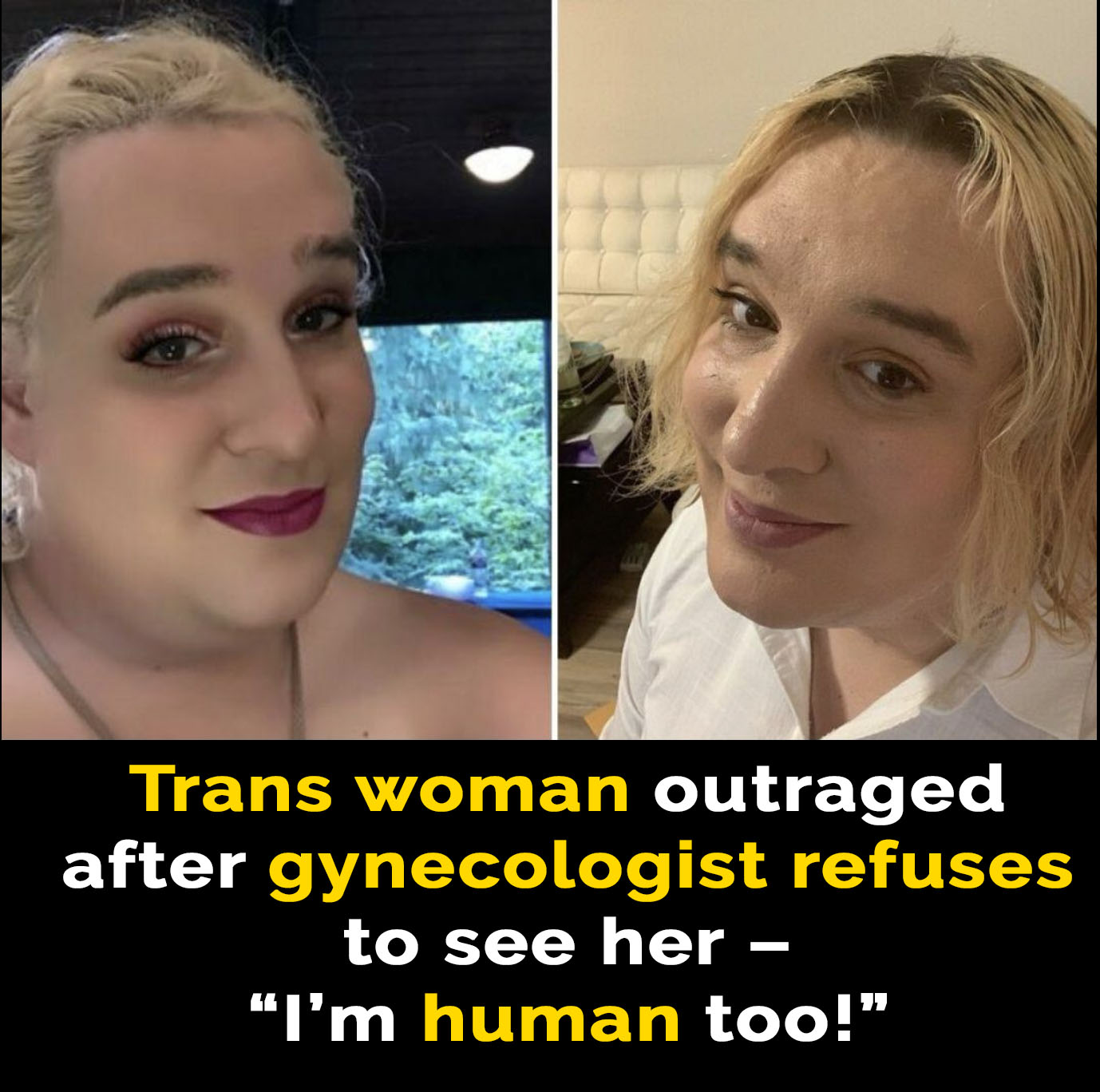
A controversial legal case in Canada has reignited a complex and emotionally charged debate about rights, professional boundaries, and how society navigates the intersection of gender identity and service provision.
At the center of the discussion is Jessica Yaniv, also known as Jessica Simpson, a transgender individual whose series of human rights complaints brought national and international attention to questions that remain far from settled.
The dispute began in British Columbia, where Yaniv filed complaints against several independent estheticians who declined to provide intimate waxing services. These were not large commercial businesses, but small, home-based operations run by individual practitioners. The services requested involved Brazilian waxing procedures, which typically require specific training and experience depending on a client’s anatomy.
The estheticians involved explained that while they offered these services to female clients, they did not have the training, equipment, or comfort level to perform them on male anatomy. They maintained that their refusals were not based on identity, but on professional limitations and safety concerns tied directly to their qualifications.
This distinction quickly became the central issue of the case. Yaniv argued that denying service constituted discrimination based on gender identity and sought financial compensation through formal complaints. The matter was brought before the British Columbia Human Rights Tribunal, where it was carefully examined through the lens of anti-discrimination law, professional responsibility, and reasonable accommodation.
In 2019, the tribunal issued rulings on several of the complaints, ultimately deciding against Yaniv. The findings emphasized that the service providers’ refusals were rooted in a lack of training and not in discriminatory intent. The tribunal acknowledged that performing intimate waxing on different anatomical structures requires specific expertise, and that professionals are not obligated to provide services beyond their competence.
The ruling also addressed concerns raised during the proceedings regarding conduct and credibility, which were documented in the official decision. These elements contributed to the tribunal’s broader assessment of the situation and played a role in shaping the outcome.
While the legal conclusions were specific to the evidence presented, the case quickly expanded beyond the courtroom into a wider public conversation. It became a flashpoint for discussions about how human rights protections apply in real-world scenarios, particularly when identity, biology, and professional standards intersect.
One of the most significant aspects of the case was its impact on the individuals involved. The estheticians, many of whom operated small, independent businesses, described the legal process as financially and emotionally draining. Defending themselves required time, resources, and resilience, often placing considerable strain on their livelihoods. Unlike large corporations, these were individuals with limited capacity to absorb the pressures of prolonged legal proceedings.
The tribunal recognized this context, noting that the respondents were not major commercial entities but small-scale operators navigating a complex regulatory environment. Their experiences highlighted the challenges that independent service providers can face when legal disputes arise, particularly in areas where guidelines may not be clearly defined.
Beyond the waxing-related complaints, Yaniv was involved in additional disputes that attracted further media attention. These included interactions with various organizations and institutions, each handled separately within their respective legal or administrative frameworks. Over time, these incidents contributed to ongoing public scrutiny and intensified debate.
In 2021, additional attention was drawn to separate matters involving emergency services. Local authorities reported concerns about the use of non-emergency calls, noting that such actions placed strain on public resources. Officials emphasized the importance of appropriate use of emergency systems, reinforcing broader concerns about accountability and responsible access to public services.
As the case unfolded, it became clear that the legal questions were only part of a much larger conversation. Public reaction was deeply divided, reflecting broader societal tensions around gender identity, fairness, and the limits of professional obligation. Some observers argued that equal access to services should be upheld in all circumstances, while others emphasized the importance of respecting professional boundaries and ensuring safety in specialized procedures.
Experts in healthcare and professional services added further nuance to the discussion. Many pointed out that in medical and technical fields, treatment and service decisions are often based on anatomy and specific training requirements rather than identity alone. At the same time, there is growing recognition of the need to make services more inclusive and accessible for transgender and non-binary individuals.
Legal analysts highlighted that cases like this illustrate the delicate balance within human rights law. Protections against discrimination must be weighed alongside the rights of professionals to operate within their scope of expertise. Determining where that line falls requires careful consideration of intent, capability, and the feasibility of accommodation.
The broader implications of the case continue to resonate. It has become a reference point in discussions about how laws adapt to evolving understandings of identity, and how service industries respond to increasingly complex expectations. It also underscores the importance of clear guidelines and training standards to help prevent similar disputes in the future.
For many, the case is not about a single individual or a single decision, but about the systems and principles that govern everyday interactions. It raises questions about how society defines fairness, how it supports both clients and providers, and how it navigates situations where values and practical realities may not align neatly.
Ultimately, the Jessica Yaniv case stands as a vivid example of how legal rulings can settle specific disputes while leaving broader debates unresolved. It reflects a moment in time where social change, legal frameworks, and professional practice intersected in a highly visible way. While the tribunal reached its conclusions based on the facts before it, the conversations sparked by the case continue to evolve, shaping how similar issues may be understood and addressed in the years ahead.