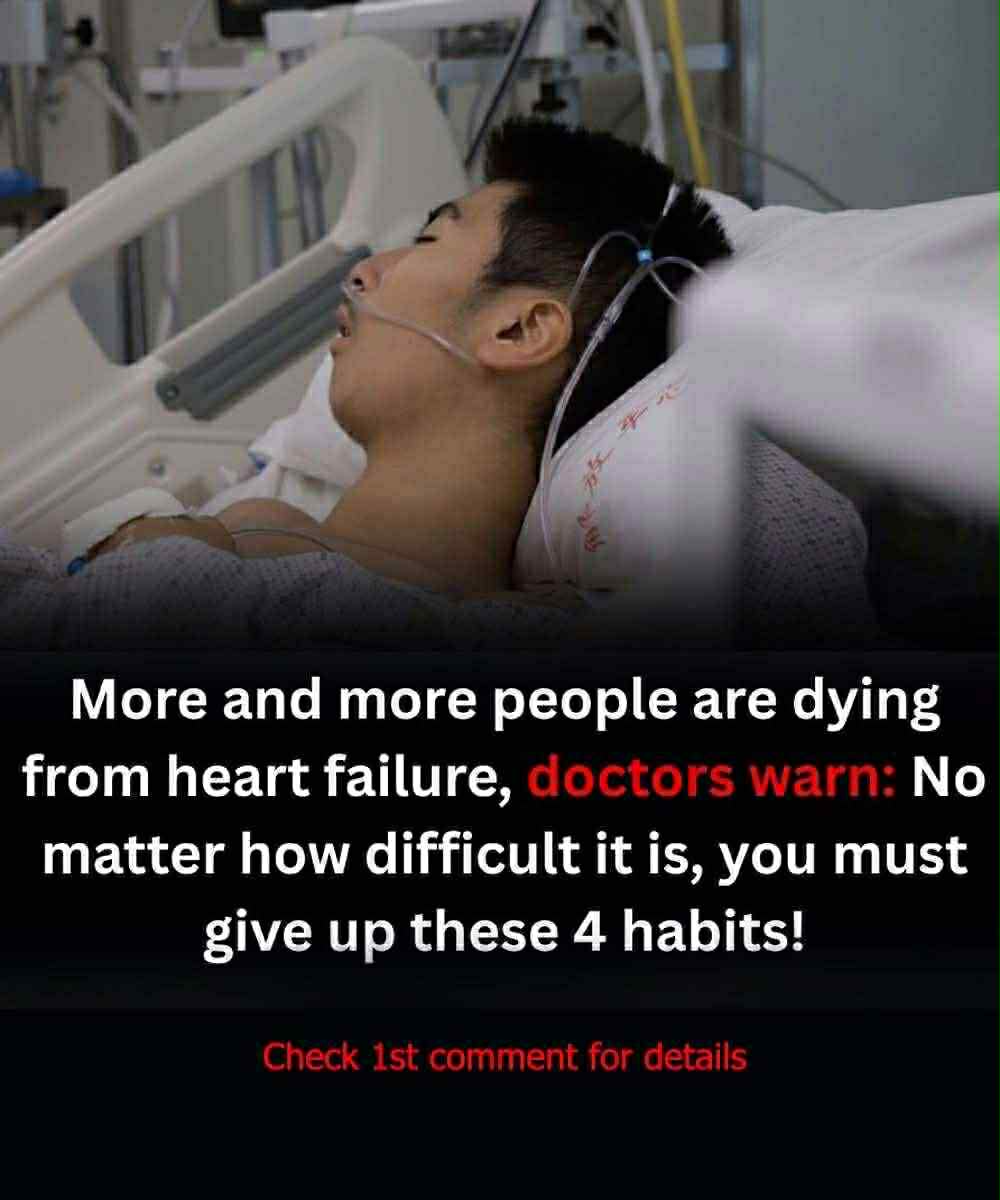
Across the globe, a quiet but alarming trend is gaining momentum. Health experts are warning that more people are developing Heart Failure than ever before, and the numbers continue to climb.
According to leading authorities such as the World Health Organization, the World Heart Federation, and the American Heart Association, heart failure has reached the scale of a global epidemic, affecting at least 26 million people worldwide. What makes this especially concerning is not just how widespread it is, but how quickly it is growing.
Despite its name, heart failure does not mean the heart has stopped working. Instead, it refers to a condition in which the heart can no longer pump blood efficiently enough to meet the body’s needs. Every cell in the body depends on a steady supply of oxygen and nutrients delivered through the bloodstream. When the heart begins to weaken, that supply becomes inconsistent, triggering a cascade of symptoms that can gradually erode a person’s quality of life.
In its early stages, heart failure can be subtle. People may notice unusual fatigue, shortness of breath during routine activities, or a lingering cough that doesn’t seem to go away. Over time, these symptoms intensify. Simple tasks like climbing stairs, carrying groceries, or even walking short distances can become exhausting. For many, it becomes a chronic condition that requires lifelong management, though with the right treatment and lifestyle changes, periods of remission are possible.
What concerns doctors most is that many of the factors contributing to heart failure are not rare or unavoidable. In fact, they are deeply woven into modern lifestyles. Increasingly, medical professionals are pointing to four common habits that significantly raise the risk of developing this condition. The good news is that each of them can be changed, often with immediate benefits for heart health.
The first and perhaps most overlooked habit is excessive salt consumption. Sodium plays a necessary role in the body, but too much of it can have serious consequences. Diets high in salt lead to fluid retention, which increases blood volume and raises blood pressure. Over time, this added pressure forces the heart to work harder than it should, gradually weakening the muscle. Clinical guidelines from organizations like the American Heart Association have long emphasized sodium restriction as a cornerstone of heart failure management. For many individuals, this means rethinking everyday food choices. Processed foods, canned soups, packaged snacks, and restaurant meals are often loaded with hidden sodium. Transitioning to home-cooked meals using fresh ingredients, herbs, and spices instead of salt can significantly reduce intake and ease the burden on the heart.
The second major factor is a sedentary lifestyle. Modern life has made prolonged sitting almost unavoidable, whether at a desk, in a car, or on the couch. While it may feel harmless, inactivity has a profound impact on cardiovascular health. A lack of movement weakens circulation, contributes to weight gain, and increases the risk of high blood pressure all of which are closely linked to heart failure. Regular physical activity, on the other hand, strengthens the heart muscle and improves its efficiency. Experts recommend at least 150 minutes of moderate exercise or 75 minutes of vigorous activity each week. This does not require intense workouts or gym memberships. Walking, cycling, swimming, and even dancing can provide meaningful benefits. Just as important is breaking up long periods of sitting with short bursts of movement throughout the day.
The third habit involves smoking and excessive alcohol consumption, both of which place significant strain on the heart. Smoking damages blood vessels, reduces oxygen levels in the bloodstream, and raises blood pressure, creating a dangerous environment for the heart to function. Alcohol, when consumed in excess, can weaken the heart muscle directly, leading to a condition known as alcoholic cardiomyopathy. Over time, these effects can combine to increase the likelihood of heart failure. While quitting smoking and reducing alcohol intake can be challenging, the benefits are immediate and substantial. Many people find success through structured support systems, counseling, or community programs that provide guidance and accountability during the process.
The fourth and often underestimated factor is chronic stress combined with poor sleep. In today’s fast-paced world, stress has become a constant companion for many people. When stress levels remain elevated over long periods, the body produces higher amounts of cortisol, a hormone that raises blood pressure and places additional strain on the heart. At the same time, inadequate sleep prevents the body from repairing itself properly, disrupting metabolism and increasing the risk of conditions such as obesity, diabetes, and hypertension. Together, these factors create a perfect storm for heart failure. Addressing them requires intentional effort. Practices like meditation, deep breathing, and mindfulness can help manage stress, while establishing a consistent sleep routine aiming for seven to nine hours per night can restore balance to the body.
What makes these four habits particularly significant is how interconnected they are. A sedentary lifestyle can contribute to poor sleep, stress can lead to unhealthy eating, and both can increase the likelihood of smoking or drinking as coping mechanisms. Breaking even one of these patterns can create a ripple effect, improving multiple aspects of health at once.
Doctors emphasize that while heart failure is a serious and often lifelong condition, it is not inevitable. Many cases can be prevented or delayed through simple, consistent lifestyle choices. Even for those already living with heart failure, adopting healthier habits can improve symptoms, enhance quality of life, and extend longevity.
The rising number of heart failure cases serves as a wake-up call, not just for individuals but for society as a whole. It highlights the need to rethink daily routines, prioritize health, and recognize the long-term impact of seemingly small choices. In a world where convenience often takes precedence over well-being, these warnings from medical experts carry a clear message: the path to a healthier heart begins with the habits we choose to keep or leave behind.