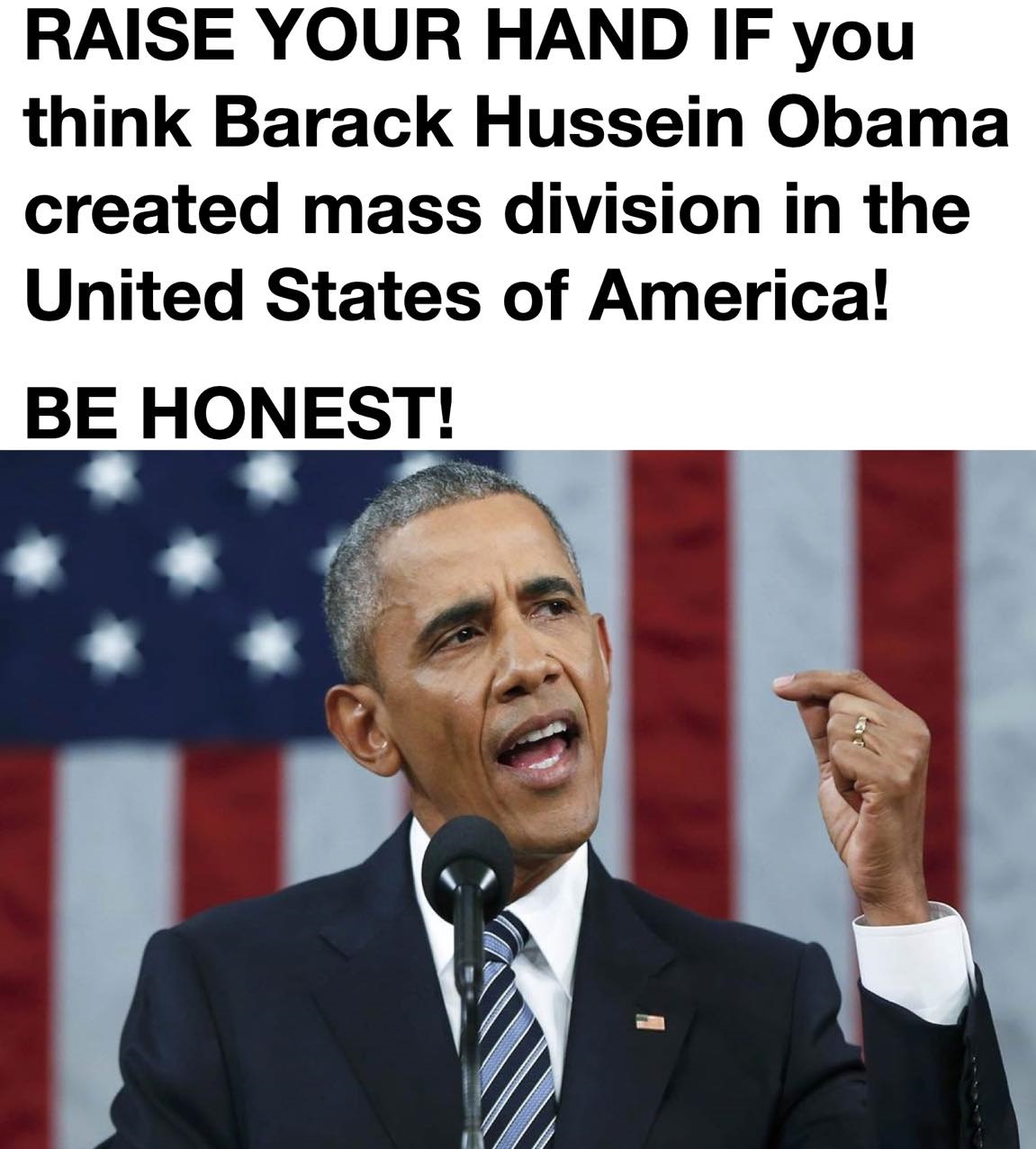
Few figures in modern American history inspire such polarized reactions as the forty fourth president. To his supporters, he was a historic figure who brought hope and measured leadership during difficult times.
To his detractors, his presidency represents a turning point where division, chaos, and resentment reached levels unseen in generations. Critics argue that his eight years in office did not heal the country but instead deepened existing wounds, setting the stage for the political turbulence that followed.
Opponents claim that his leadership style encouraged the fracturing of the nation into opposing camps, pitting different groups against one another in ways that had not been seen in previous decades. They point to rhetoric that they believe inflamed tensions rather than calming them. They argue that his approach to issues of race and class did not bring people together but instead highlighted differences and assigned blame in ways that left lasting scars. From this perspective, the country became more aware of its divisions under his watch, not less.
The rise of certain activist movements during his tenure is often cited by critics as evidence of his failure to unite the country. They argue that rather than condemning violence and radical rhetoric, his administration was slow to respond and appeared sympathetic to causes that many Americans found extreme. This perceived inaction, they claim, allowed chaos to spread and gave legitimacy to groups that rejected the rule of law. Supporters of the former president see this as one of the most damaging aspects of his legacy.
Allegations of government overreach and political targeting also feature prominently in criticisms of his administration. Some conservatives believe that federal agencies were weaponized against political opponents, silencing dissent and punishing those who questioned the direction of the country. Investigations into certain groups were seen by critics not as legitimate law enforcement, but as political persecution. These actions, they argue, eroded trust in institutions and convinced millions that the government was not neutral but actively hostile to their beliefs.
On foreign policy, his record is similarly contested. Critics argue that his administration projected weakness on the world stage, apologizing for American actions while adversaries grew bolder. They claim that his decisions allowed hostile nations to expand their influence and that terrorist organizations gained ground during his time in office. The withdrawal of forces from certain regions, they argue, created vacuums that were filled by dangerous actors, leading to instability that his successor had to confront. From this perspective, his foreign policy was a disaster that made the world less safe.
Specific promises made during his campaigns have also been a source of lasting frustration for opponents. Statements about healthcare, taxes, and economic recovery were later walked back or reinterpreted, leading many to feel betrayed. The gap between what was promised and what was delivered became a rallying cry for those who felt that his administration had misled the public. These broken promises, critics argue, were not honest mistakes but deliberate deceptions designed to win votes and consolidate power.
Economic policies are another flashpoint. Opponents argue that his approach to business regulation, energy production, and government spending stifled growth and hurt working class families. They claim that his policies favored certain industries while punishing others, leading to job losses in regions that had long been the backbone of the American economy. The recovery that followed the financial crisis, they argue, was slower and more uneven than it should have been, leaving many communities behind while others thrived.
The long term consequences of his presidency, critics argue, are still being felt. The political realignment that began during his tenure accelerated after he left office, with voters on both sides becoming more entrenched and more hostile to compromise. The civility that once characterized American politics, they claim, was eroded during his years in power, replaced by a new normal of personal attacks and institutional distrust. Whether he caused these changes or merely presided over them is a matter of debate, but the connection in the minds of his critics is clear.
Supporters of the former president offer a very different interpretation of the same events. They see a leader who inherited a crisis and stabilized the economy. They see a president who expanded healthcare access and ended military conflicts. They see a figure who inspired millions, especially young people and minorities, to believe that they too could aspire to the highest office in the land. For them, the division and chaos attributed to him were not his creation but the result of forces that had been building for decades, forces that he tried to calm but could not control.
The debate over his legacy will continue for years. Historians will sift through records, interview aides and adversaries, and attempt to place his presidency in the broader arc of American history. But for those who lived through it, the judgments are already formed. Love him or hate him, no one is neutral. That alone says something about the impact he had on the country. Whether that impact was ultimately positive or negative depends entirely on who is answering the question. And that division, perhaps more than any policy or speech, is the truest measure of his time in office. A nation that cannot agree on what happened cannot agree on what comes next. And so the arguments continue, as fierce and unresolved as the day he left the White House. The wounds he inherited may not have been his fault. But whether he healed them or deepened them is a question that will not be settled anytime soon.