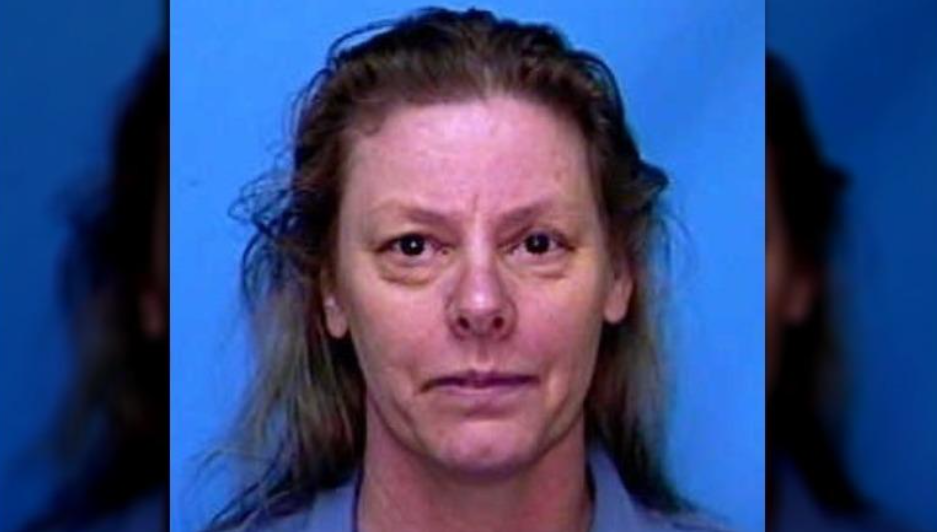
The story of Aileen Wuornos remains one of the most disturbing and controversial criminal cases in United States history.
Known as one of the few female serial offenders in modern times, her life was marked by trauma, violence, and ultimately, a series of deaths that shocked the nation. Born in 1956 in Rochester, Michigan, Wuornos experienced a deeply unstable childhood. She was abandoned by her parents at a young age and raised by her grandparents under difficult conditions. Reports from her early life describe abuse, neglect, and exposure to violence, all of which would later be examined during her trial. By her teenage years, Wuornos was already living on the streets, engaging in survival work and petty crime. Her life continued to spiral as she moved across states, eventually settling in Florida.
Between 1989 and 1990, Wuornos was connected to the deaths of seven men along highways in Florida. Most of the victims were middle aged men whom she encountered while working. She later claimed that the incidents were acts of self defense, alleging that the men had attempted to harm her. However, investigators and prosecutors argued that the events were premeditated robberies. The victims were found shot, and many had their belongings stolen, painting a different picture of Wuornos intentions.
Wuornos was arrested in 1991 after a detailed investigation linked her to the crimes. Key evidence included pawned items belonging to victims and witness testimonies. Her trial quickly gained national attention. The prosecution portrayed her as a cold blooded offender, while the defense emphasized her traumatic past and argued that she acted out of fear and survival instinct. Despite her claims of self defense, Wuornos was convicted. Instead of life imprisonment, Wuornos received the death penalty. She was sentenced to death and spent years on death row in Florida.
When the sentence was read, the reaction that followed left the courtroom in stunned silence. Wuornos did not weep. She did not beg. She did not collapse. She sat motionless, her face unreadable, as if she had already accepted this outcome long before the judge spoke. Those present later described the moment as eerie. The weight of the verdict seemed to press down on everyone except the woman at the center of it all. Her calmness was not peace. It was something darker. Resignation. Perhaps even relief.
On October 9, 2002, Aileen Wuornos was executed by lethal injection, bringing an end to a case that had captivated and divided public opinion. The case continues to spark debate to this day. Some view Wuornos as a ruthless offender, while others see her as a victim of lifelong abuse who was failed by the system. Her story inspired documentaries and films, most notably the 2003 movie Monster, in which Charlize Theron won an Academy Award for her portrayal of Wuornos.
The case of Aileen Wuornos is more than just a story of crime. It is a complex narrative about trauma, survival, and justice. It forces society to confront difficult questions about how background, mental health, and circumstance can shape a person s path, and whether justice always tells the full story. Her reaction to the sentence that day, that hollow, frozen silence, became one of the most haunting images of the entire trial. It was not the reaction of someone who felt wrongly accused. It was the reaction of someone who had stopped fighting long ago. And that, perhaps, is the saddest part of all.