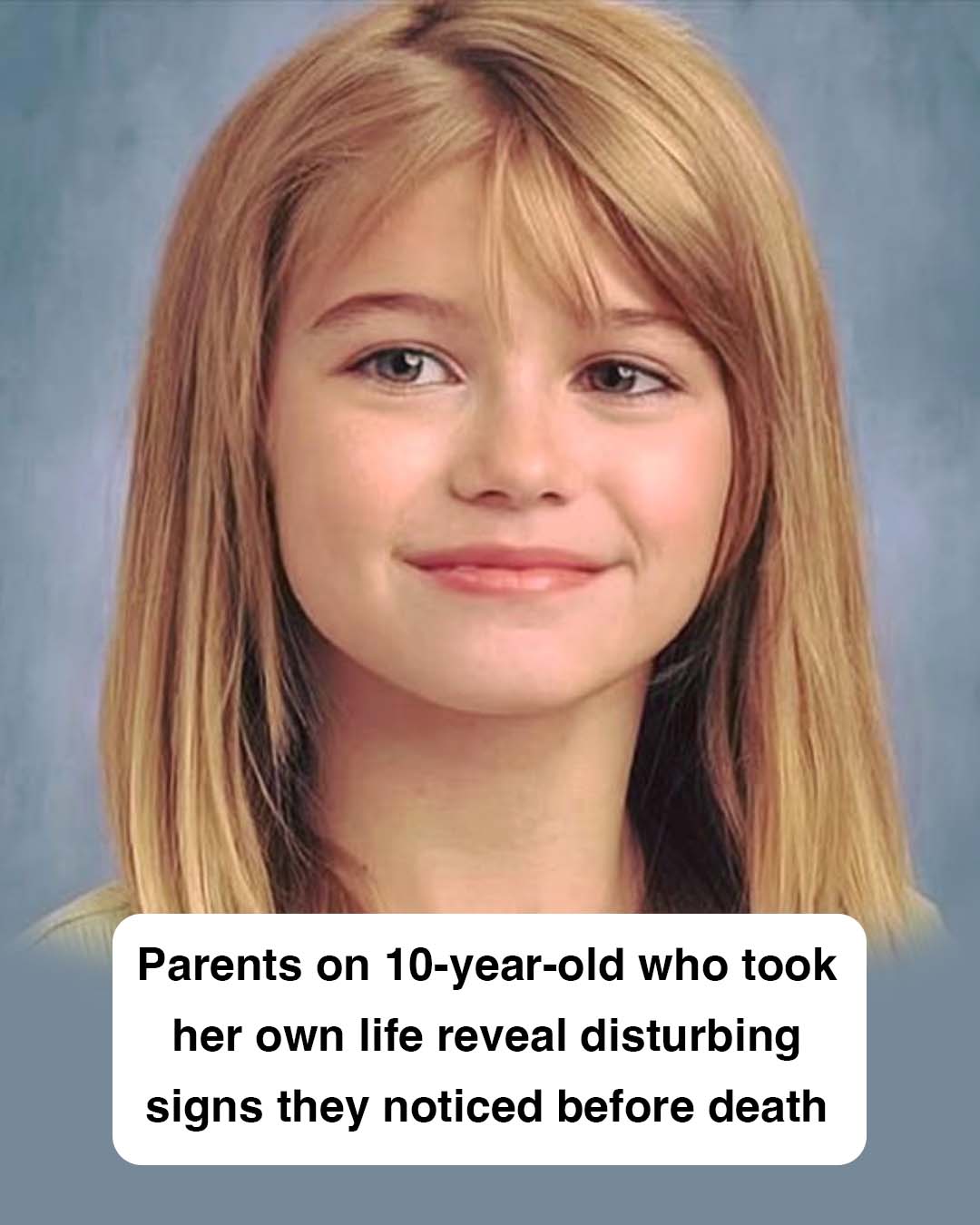
In Roanoke, Virginia, Autumn’s name has become a quiet battle cry. The 10-year-old who once defended other children from bullies is now the reason parents are demanding answers, schools are promising reviews, and experts are pleading for earlier, harder conversations about mental health.
Her story, heartbreaking as it is, has sparked a reckoning that extends far beyond her small community forcing adults to confront uncomfortable questions about how they protect children, how they recognize distress, and how they respond when a young person cries out for help.
A Child Who Protected Others
Autumn was not a withdrawn or troubled child by nature. Those who knew her describe a girl full of light and energy. She loved dance, cheer, archery, and the color baby blue. She had friends. She had dreams. And she had a fierce sense of justice that seemed remarkable for someone so young. When she saw other children being picked on, she stepped in. She stood up for the kid who couldn’t stand up for themselves. She believed that kindness mattered, and she tried to live that belief every day.
But somewhere along the way, the kindness she extended to others was not returned. Bullies turned their attention toward her. What began as small cruelties escalated. Words became weapons. Laughter became isolation. And Autumn, who had always been so strong for everyone else, began to carry a weight that no 10-year-old should ever have to bear.
The Signs That Were Missed
Her parents, Summer and Mark, now replay every missed sign with the painful clarity of hindsight. Darker clothes appeared in her closet without explanation. She started taking longer naps, retreating to her room, withdrawing from activities that once brought her joy. The girl who used to bound through the front door with stories to tell began to shuffle inside quietly, offering one-word answers.
There was the day she asked to stay home from school “just this once.” Her parents thought she was tired. They thought she needed a break. They did not know that “just this once” was actually a plea a small, quiet test to see if anyone would notice how much she was hurting.
They did not know. And that is the part of this story that haunts them most.
A Family’s Devastating Loss
On the day Autumn took her own life, something irreplaceable was ripped from the world. A daughter. A sister. A friend. A girl who should have had decades ahead of her birthdays, graduations, first loves, career dreams, children of her own. Instead, her family was left standing in the wreckage, trying to understand how a child so full of light could have been consumed by darkness.
The grief is unimaginable. Parents are not supposed to outlive their children. They are not supposed to plan funerals for 10-year-olds. They are not supposed to pack away baby blue dresses and dance trophies while wondering if there was something anything they could have done differently.
Turning Pain Into Purpose
But even in their deepest agony, Summer and Mark have made a choice. They have decided to share their pain so that other families might be spared. They have opened their home, their hearts, and their most vulnerable memories to the public, knowing that the scrutiny will be painful but believing that the alternative silence is unacceptable.
Their message is painfully simple yet desperately needed: listen when kids say they’re stressed. Watch for small changes in behavior, mood, and habits. Never assume they’re “too young” to be in danger. Mental health struggles do not discriminate by age. Depression does not wait for high school. Anxiety does not check a birth certificate before moving in.
The Role of Schools and Communities
Autumn’s death has also raised urgent questions about the role of schools in protecting children from bullying. Parents in Roanoke and beyond are demanding to know what was known, when it was known, and what was done about it. They want anti-bullying policies that are more than words on paper. They want training for teachers and staff. They want systems in place so that when a child reports being bullied, the response is swift, serious, and effective.
Schools have promised reviews. Administrators have expressed condolences. But for grieving parents, promises and condolences are not enough. They want action. They want accountability. They want to believe that no other child will have to endure what Autumn endured.
A Call for Harder Conversations
Experts who study youth mental health say that Autumn’s story, while extreme, is not as rare as people want to believe. Children as young as eight and nine experience suicidal thoughts. Bullying is a major contributing factor. And too often, adults miss the warning signs because they do not want to believe that childhood can be so painful.
The solution, experts say, is not fear but readiness. Parents need to talk to their children about mental health the same way they talk about physical health. They need to ask direct questions. They need to listen without judgment. They need to take every mention of hopelessness or self-harm seriously, even when it comes from a young child.
The Legacy of a 10-Year-Old
Autumn could not be saved. That is the devastating truth at the center of this story. By the time her parents understood how much she was suffering, it was too late. The bullies had done their damage. The isolation had taken its toll. The darkness had won.
But her story does not have to end in tragedy alone. It can still be the reason another child speaks up, is believed, and lives. It can be the reason a parent has a difficult conversation that makes all the difference. It can be the reason a school reviews its policies and finds them wanting, then fixes them before another family is destroyed.
A Quiet Battle Cry
In Roanoke, Virginia, Autumn’s name has become a quiet battle cry. It is spoken in school board meetings and counseling offices. It is whispered in living rooms where parents are hugging their children a little tighter. It is written in online forums where bullying victims find solidarity and strength.
She was only 10 years old. She loved dance, cheer, archery, and baby blue. She stood up for others when no one stood up for her. And she is gone.
But her story remains. And as long as parents, teachers, and communities refuse to look away, that story will continue to save lives even though it could not save hers.