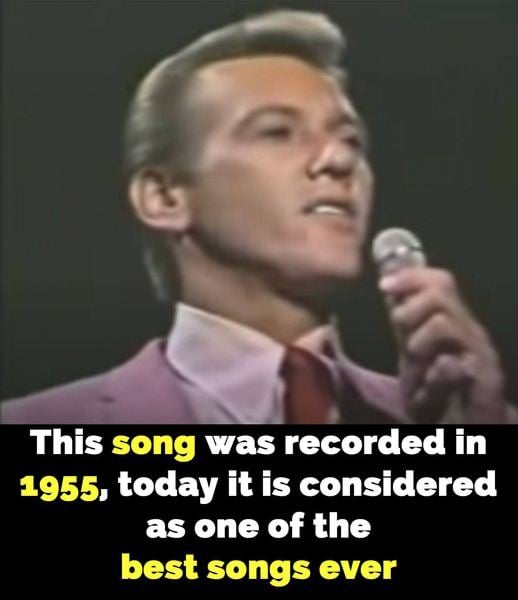
Born as the theme for the obscure prison film Unchained in 1955, “Unchained Melody” should have quietly faded with the end credits.
Instead, its aching, desperate plea crafted by composer Alex North and lyricist Hy Zaret escaped the film’s forgotten runtime and seeped into the very bloodstream of popular music. What began as a backdrop to a little-seen drama about life behind bars became something no one could have predicted: a timeless anthem of longing, separation, and undying love.
When The Righteous Brothers recorded their version in 1965, something extraordinary happened. Bill Medley’s stark, restrained production created a haunting emptiness that begged to be filled. And then Bobby Hatfield stepped to the microphone. His soaring, vulnerable, almost otherworldly vocal performance transformed the song from a well-written standard into an emotional earthquake. Legend has it that Hatfield, initially reluctant to sing lead, delivered the performance of a lifetime in just one or two takes his voice cracking not from weakness, but from the sheer weight of the lyrics. The result was a recording that still stops listeners in their tracks, six decades later.
Elvis Presley and the Song’s Second Life
Elvis Presley, sensing the song’s raw, almost sacred power, made “Unchained Melody” a centerpiece of his late-career performances. In his final years, the King of Rock and Roll would sometimes barely hold himself together while singing it, his voice trembling with lived-in weariness and devotion. Footage from his last tour shows a man no longer performing for an audience but confessing into the dark. He amplified the song’s themes of loneliness, doubt, and desperate hope turning it into a mirror for his own fading light. For Elvis, “Unchained Melody” became less a cover and more a personal prayer.
Over 670 Versions — Yet One Heart Remains
More than 670 artists have since recorded “Unchained Melody,” from U2 to LeAnn Rimes, from orchestral arrangements to gospel interpretations. It has appeared in blockbuster films like Ghost, where its use during the iconic pottery wheel scene introduced the song to an entirely new generation in 1990. It has been sung in stadiums, chapels, and living rooms. It has comforted soldiers far from home and broken hearts in the middle of the night. Yet despite all those versions, the core of the song remains unchanged: a desperate, aching hope that love will endure time, distance, and every shadow of doubt.
Why It Still Haunts Us
That is why, nearly seven decades later, “Unchained Melody” still feels less like a song and more like a private confession whispered into the dark. It captures something universal yet deeply personal: the fear of being forgotten, the ache of separation, and the stubborn belief that love can reach across any divide. The lyrics never mention chains directly, yet everyone who hears them understands the invisible bonds that hold us back and the ones we long to break.
Decades may pass, voices may age, and musical trends may come and go. But “Unchained Melody” endures because it speaks to the part of us that refuses to give up on love. And that, perhaps, is the truest kind of immortality.