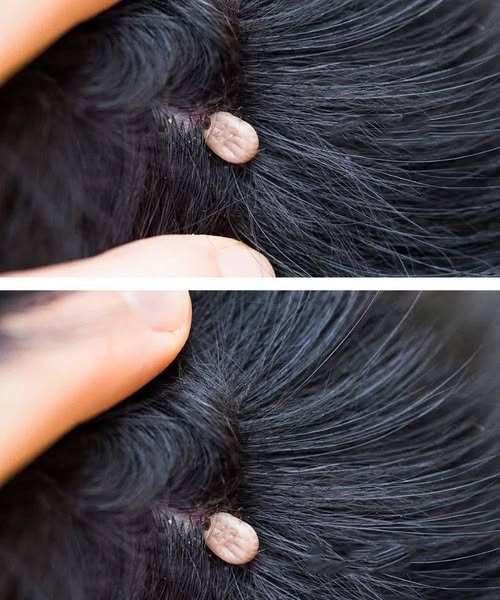
If you’ve come across the term “HT7” while looking at your child’s hair or scalp, it’s important to understand that it isn’t related to hair or scalp health.
HT7 actually refers to an acupuncture point called Shenmen, which translates to “Spirit Gate” in Traditional Chinese Medicine (TCM).
This point is located on the wrist, at the crease on the side of the pinky finger. In TCM, it’s used to address emotional and mental health concerns, such as stress, anxiety, restlessness, or difficulty sleeping. Stimulating HT7 is believed to calm the mind and improve sleep, among other benefits. However, it has nothing to do with hair or scalp issues, so if you’ve seen this while researching hair concerns, it’s likely a misunderstanding.
If your child has something unusual on their scalp or in their hair, it’s much more likely to be one of these common conditions:
✅ Cradle Cap (Seborrheic Dermatitis):
Often seen in infants, usually in the first few months of life. It appears as greasy, yellow or brown scales on the scalp and sometimes behind the ears. Though it can look concerning, it’s generally harmless and often resolves on its own. Gentle washing and soft brushing can help remove flakes.
✅ Dandruff:
Older children and teens may develop dandruff, which causes white flakes and itching. This can be triggered by dry skin, sensitivity to hair products, or a yeast-like fungus. Specialized dandruff shampoos can help manage it.
✅ Folliculitis:
Inflammation of hair follicles, sometimes caused by bacteria, tight hairstyles, or certain hair products. It may show up as small red bumps or pustules, occasionally itchy or tender. Gentle hair care and avoiding tight styles can reduce the risk.
✅ Eczema (Atopic Dermatitis):
Can affect the scalp, leading to dry, itchy, inflamed patches. Often linked to allergies or sensitive skin, treatment may include moisturizers or medicated shampoos recommended by a doctor.
✅ Tinea Capitis (Scalp Ringworm):
A fungal infection (not an actual worm) causing round patches of hair loss, scaling, and sometimes black dots where hair has broken. It’s contagious and requires prescription antifungal treatment.
If your child has any scalp issues, it’s best to consult a pediatrician or dermatologist rather than relying on home remedies. A medical professional can accurately diagnose the problem and suggest safe and effective treatment.
In short, while HT7 is a helpful acupuncture point for emotional wellness, it has no connection to hair or scalp health. Staying informed and seeking professional advice ensures your child’s scalp and hair remain healthy.