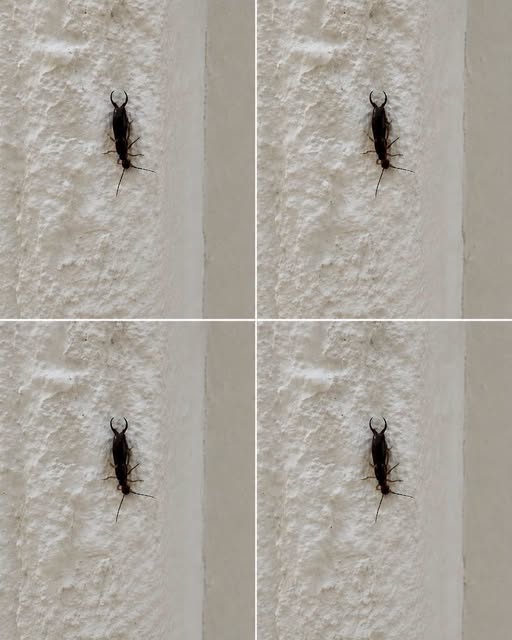
It happens to almost everyone.
You’re walking through your home when something small catches your eye.
Maybe it’s crawling across the kitchen floor.
Perhaps it’s resting quietly on a bedroom wall.
Or maybe you notice it near a window, moving slowly toward the light.
Your first reaction is often the same.
Where did it come from?
Should you be worried?
Does finding one insect mean dozens more are hiding somewhere you can’t see?
For many people, spotting an unfamiliar bug indoors immediately sparks concern.
Some assume the house is dirty.
Others fear an infestation has already begun.
Many simply grab a tissue or shoe, deal with the insect, and try not to think about it again.
But the truth is often more interesting and sometimes more important than people realize.
A single insect inside your home isn’t always a warning sign.
In many cases, it’s simply an accidental visitor.
Insects constantly search for food, moisture, warmth, and shelter.
An open door left ajar for only a few minutes can provide all the opportunity they need.
Tiny gaps around windows.
Cracks beneath doors.
Open garage entrances.
Damaged window screens.
Even surprisingly small openings can become entry points.
Many insects are naturally attracted to light during the evening.
Others follow scents carried by the wind.
Some simply wander indoors while exploring their surroundings.
Finding one bug doesn’t automatically mean your home has a serious problem.
However, it shouldn’t always be ignored either.
Sometimes that unexpected visitor is quietly pointing toward conditions inside your home that deserve attention.
Insects rarely settle somewhere without a reason.
Like every living creature, they seek environments that meet basic needs.
Food.
Water.
Shelter.
If those resources become available inside your house, certain insects may continue returning.
Kitchen crumbs may seem insignificant to us.
To tiny insects, they’re a banquet.
Even small amounts of spilled sugar, pet food, grease, or forgotten snacks can provide enough nourishment for numerous species.
Likewise, moisture plays an enormous role.
A slow leak beneath the sink.
Condensation around pipes.
Standing water in plant trays.
Poor ventilation inside bathrooms.
These seemingly minor issues create ideal environments for insects that thrive in damp conditions.
Clutter can also become an unexpected invitation.
Stacks of cardboard.
Unused storage boxes.
Piles of newspapers.
Clothing left untouched for long periods.
These areas provide dark, protected hiding places where insects can rest safely away from human activity.
The location where you find an insect often tells an important story.
A bug repeatedly appearing near the kitchen may indicate easy access to food.
One frequently found inside bathrooms might suggest excessive moisture.
Insects gathering near windows may simply be attracted by sunlight or outdoor vegetation.
Observing patterns matters far more than reacting emotionally.
Before assuming the worst, identifying the insect itself can provide valuable clues.
Many common household visitors are completely harmless.
Some beetles accidentally wander inside while searching for light.
Ladybugs often seek warm places during colder months.
Moths may enter through open doors.
Certain spiders quietly hunt other insects, indirectly helping reduce pest populations.
Others deserve closer attention.
Cockroaches.
Termites.
Certain ant species.
Bed bugs.
Carpet beetles.
These insects may indicate conditions requiring prompt action.
That’s why identification is far more useful than panic.
Instead of immediately fearing the worst, take a careful look.
Notice its size.
Color.
Shape.
How it moves.
Where it appeared.
Modern identification guides and local extension services can often help determine whether an insect is harmless or something requiring professional attention.
Once you understand what you’ve found, responding becomes much easier.
Many effective prevention strategies require little effort but produce significant results over time.
One of the simplest is improving cleanliness.
Regularly wiping countertops.
Vacuuming beneath furniture.
Cleaning behind appliances.
Removing food waste promptly.
Storing dry goods inside sealed containers.
These small habits dramatically reduce available food sources.
Water control is equally important.
Repair leaking faucets.
Dry wet areas quickly.
Improve bathroom ventilation.
Empty standing water whenever possible.
Moisture attracts not only insects but also mold and mildew, creating additional household concerns.
Sealing entry points can make an enormous difference.
Weather stripping beneath doors.
Repairing damaged window screens.
Caulking cracks around pipes.
Closing gaps near foundations.
Each small repair removes another pathway insects might use.
Outdoor maintenance matters as well.
Overgrown vegetation touching exterior walls often provides convenient bridges into the home.
Firewood stacked directly against the house creates sheltered pathways.
Accumulated leaves hold moisture that attracts numerous insects.
Keeping a clean perimeter around your home reduces many opportunities before insects ever reach your door.
Lighting choices can even influence insect activity.
Bright white outdoor bulbs tend to attract more flying insects than warmer-colored alternatives.
Changing exterior lighting sometimes noticeably reduces nighttime visitors.
Despite all preventive efforts, occasional insects will still find their way indoors.
That’s perfectly normal.
No home is completely sealed from nature.
The goal isn’t achieving impossible perfection.
It’s preventing isolated visitors from becoming established populations.
Professional pest control becomes appropriate when sightings become frequent or when insects known to cause structural damage or health concerns appear.
Repeated termite activity.
Persistent cockroach sightings.
Growing ant trails.
Evidence of bed bugs.
These situations deserve expert evaluation before they worsen.
The emotional reaction many people experience after finding an insect often exceeds the actual threat.
Fear naturally encourages us to imagine hidden infestations.
Yet most isolated encounters have far simpler explanations.
Nature exists all around us.
Sometimes a tiny piece of it accidentally crosses our threshold.
What matters most is paying attention instead of making assumptions.
Every insect tells a small story.
Sometimes that story is simply, “A window was left open.”
Other times it says, “There’s moisture here.”
Occasionally it reveals maintenance issues we’ve overlooked for months.
Seen from that perspective, an unexpected insect becomes less an enemy and more a messenger.
It encourages us to notice details we might otherwise ignore.
A forgotten spill.
A dripping pipe.
A damaged screen.
A cluttered corner.
Addressing those small issues doesn’t merely discourage insects.
It creates a cleaner, healthier, and more comfortable home overall.
In the end, finding one insect should never trigger immediate panic.
Nor should it be dismissed without thought.
It deserves curiosity.
Observation.
A little investigation.
Most household pest problems begin quietly.
Likewise, most are prevented quietly.
A few minutes spent identifying what you’ve found, understanding why it appeared, and making a handful of simple improvements can save countless headaches later.
Sometimes the smallest visitor carries the biggest reminder.
Pay attention to your surroundings.
Care for your home consistently.
Fix small problems before they grow into larger ones.
Because one tiny insect may simply be passing through but it can also be giving you the opportunity to protect your home long before a real infestation ever begins.