The next time you pick up a bag of chips and notice it looks unusually full, you might wonder if you are being tricked. Is the company adding extra space so it seems like you are getting more food than you actually are? Is the package simply filled with unnecessary air?
The truth is far more interesting.
That space inside many snack bags is not a mistake, and it is not just empty air. It is a carefully designed part of the packaging process. In many cases, the “air” inside is actually nitrogen, a gas added for a very specific reason: protecting the food inside.
Chips, crackers, and other delicate snacks are incredibly easy to break. During transportation, storage, and handling, packages can be thrown, stacked, or squeezed. Without protection, the result would be a bag full of crumbs instead of the crispy snacks people expect.
By filling the package with nitrogen, manufacturers create a protective cushion around the food. The gas helps prevent the chips from being crushed before they reach the customer. It also helps preserve freshness by reducing the amount of oxygen inside the bag, slowing down processes that can make food lose flavor or become stale.
So when you open a large-looking bag of chips and discover that much of the space is not filled with snacks, you are not necessarily being fooled. That empty space is often doing an important job.
But there is another side to inflated packaging, and this is where things become more serious.
Not all swollen food packages are harmless.
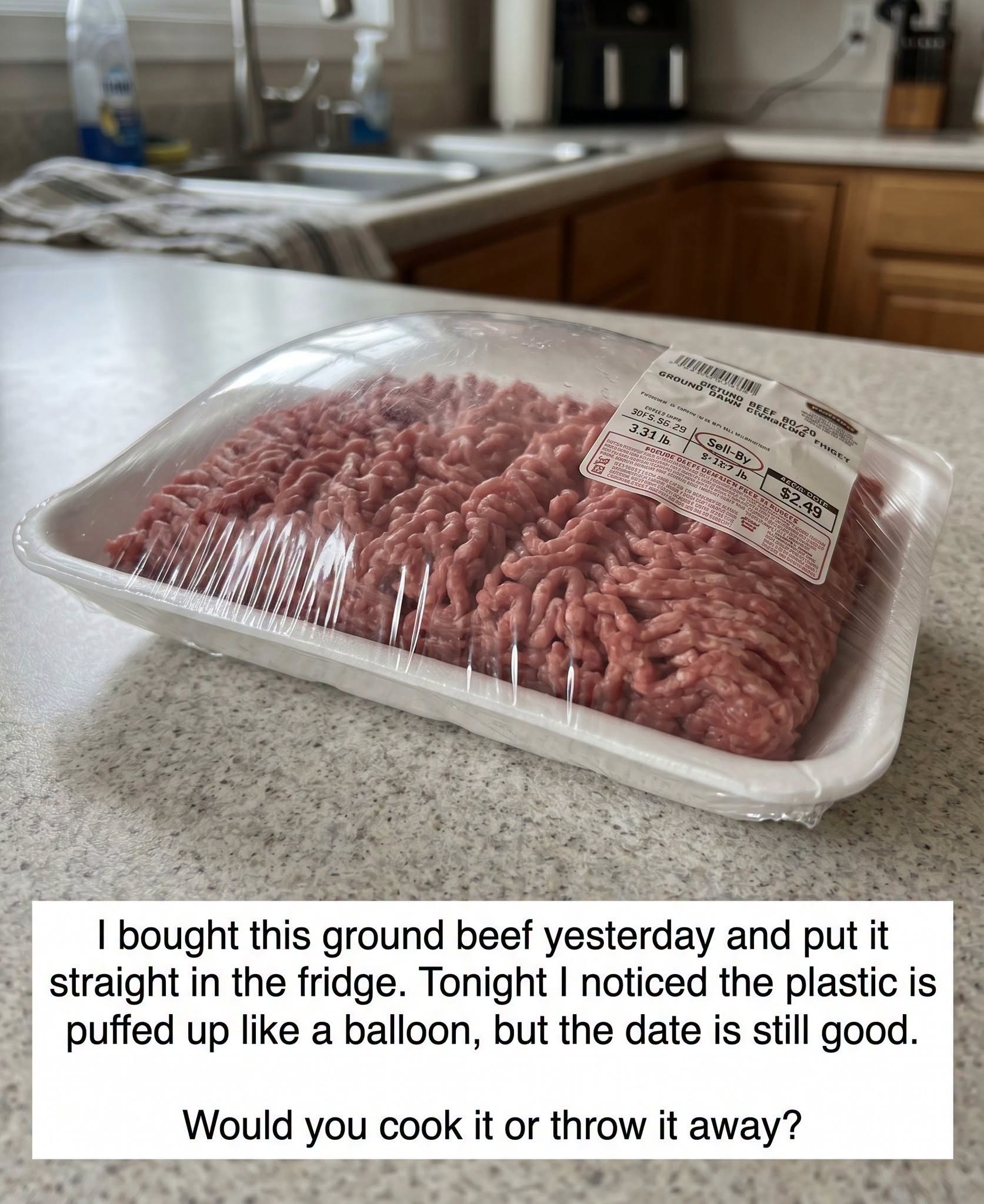
When it comes to fresh or perishable foods, an unusual bulge can be a warning sign that something has gone wrong inside the package. Foods such as cheese, meat products, sausages, dairy items, ready-to-eat meals, and some canned goods require careful handling because they can support the growth of microorganisms.
As bacteria and other microbes multiply, they can sometimes produce gases. Those gases have nowhere to escape inside a sealed package, causing it to expand and appear bloated.
Unlike a bag of chips filled with nitrogen, this type of swelling is not intentional.
It is a signal that the food may be spoiled or unsafe.
This is why understanding the difference between normal packaging and dangerous swelling matters. A puffed snack bag sitting on a store shelf is usually part of the design. A swollen container of refrigerated food is something that deserves immediate attention.
Many people make the mistake of thinking, “I’ll just open it and see if it smells okay.”
That can be risky.
While a strange smell, unusual color, or strange texture can indicate spoilage, some harmful bacteria do not always produce obvious warning signs. Food can look normal and still be unsafe to eat.
The safest choice is to avoid eating products with suspicious packaging, especially when the swelling was not expected.
Canned foods deserve special attention as well. A can that is slightly dented on the outside is not always a problem, but a can that is bulging, leaking, or strangely expanded should never be opened or tasted. Swelling in canned goods can be linked to microbial activity and, in rare cases, serious food safety risks.
The same rule applies at the grocery store.
If you see a package that looks unusually inflated, damaged, leaking, or different from the others around it, it is better to leave it behind. Saving a few dollars is never worth risking your health.
Food packaging is designed to protect us, but it also communicates information. The shape, condition, and appearance of a package can tell a story about what happened before it reached your hands.
A normal-looking package usually means the product has been stored and handled properly.
An unexpected change in appearance can be a clue that something went wrong.
Simple habits can reduce the chances of encountering unsafe food. Store refrigerated items at the correct temperature, keep frozen foods properly frozen, and pay attention to expiration dates. When bringing groceries home, avoid leaving perishable foods sitting out for long periods, especially in warm conditions.
It is also worth remembering that packaging technology is constantly evolving. Companies use different gases, materials, and sealing methods to extend freshness and protect products. What may look strange at first glance is often the result of careful science and engineering.
A bag that appears half empty may actually be protecting your favorite snack.
A sealed package that suddenly expands may be warning you to stay away.
Knowing the difference turns a confusing grocery store mystery into useful knowledge.
The next time you see a swollen food package, take a moment before tossing it into your cart or opening it in your kitchen. Ask yourself one simple question:
Was this inflation designed to protect the food, or is the food itself causing the package to expand?
That small observation could help you avoid spoiled products, prevent unnecessary waste, and make safer choices every time you shop.
Sometimes the smallest details on the outside of a package reveal the biggest truths about what is happening inside.