Some actors become famous because they dominate the screen.
Others leave a lasting impression without ever needing to raise their voices.
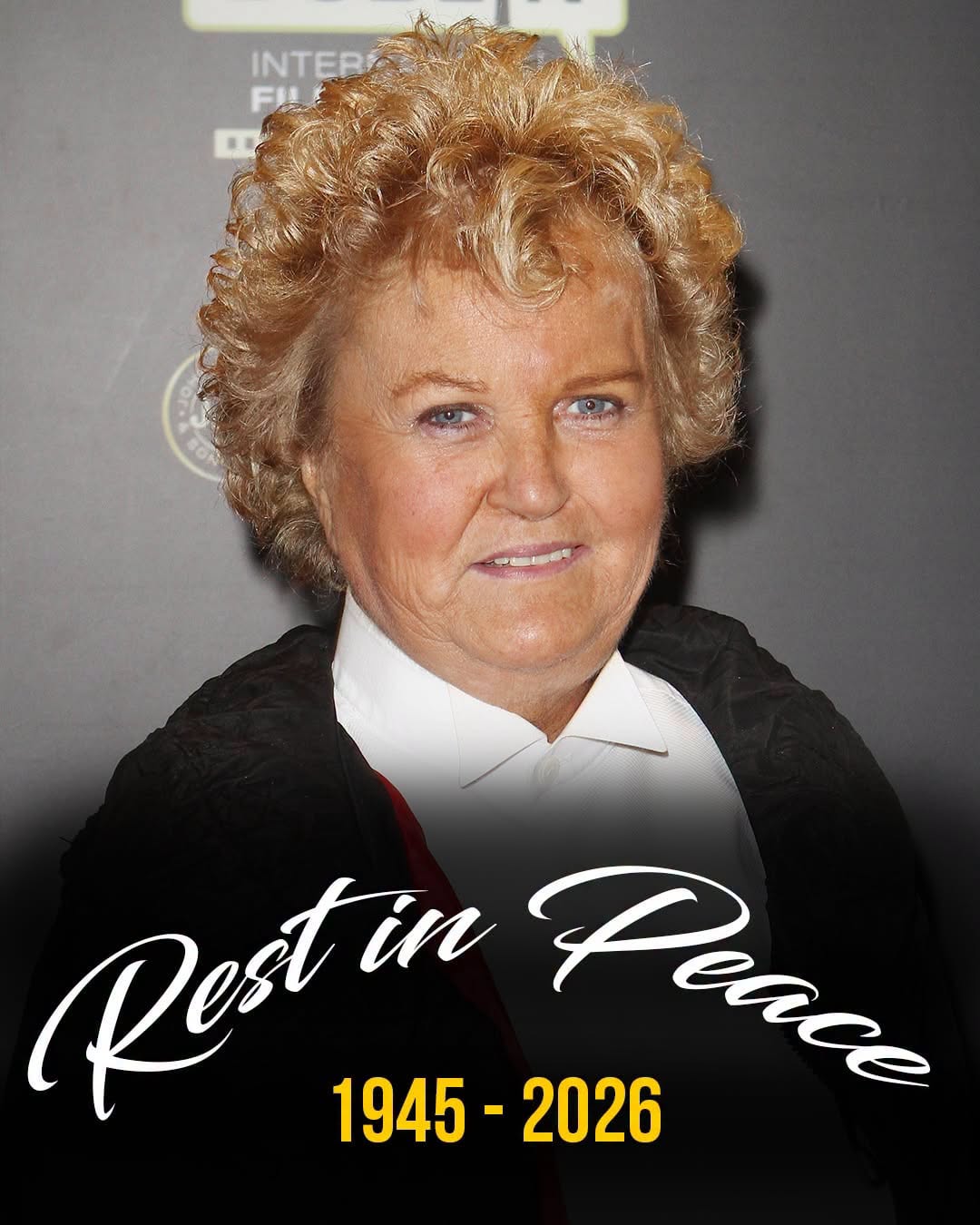
Brenda Fricker belonged to the second group.
For decades, audiences around the world welcomed her into their homes through unforgettable performances that carried warmth, honesty, and extraordinary emotional depth. Whether she appeared on screen for two minutes or two hours, she possessed a rare ability to make every character feel completely real.
Now, the news of her passing at the age of 81 has prompted an outpouring of tributes from fans, fellow actors, filmmakers, and critics who remember not only her remarkable talent but also the kindness and humility that defined her life away from the spotlight.
Although many younger viewers instantly recognize her as the gentle Pigeon Lady from Home Alone 2: Lost in New York, Brenda Fricker’s career stretched across more than five decades and included some of the most respected performances in modern cinema.
Long before holiday movies introduced her to new generations, she had already earned the admiration of the film industry through years of dedication, discipline, and unforgettable work.
Born in Dublin, Ireland, Brenda grew up surrounded by storytelling and creativity.
Before acting became her profession, she worked as a journalist and assistant before discovering that performing allowed her to express emotions in ways words alone never could.
Her early television appearances gradually led to larger opportunities, and it quickly became clear that she possessed something audiences immediately connected with.
She never relied on glamour.
She never chased celebrity.
Instead, she focused entirely on becoming the person she portrayed.
Directors admired her because she disappeared into every role.
Viewers trusted her because every performance felt genuine.
One of the defining moments of her career arrived in 1989 with the film My Left Foot.
Starring alongside Daniel Day-Lewis, Brenda portrayed Christy Brown’s devoted mother, a woman whose strength, compassion, and determination became the emotional heart of the story.
Her performance resonated with critics around the world.
Without dramatic speeches or exaggerated emotion, she communicated unconditional love through subtle expressions, quiet resilience, and unwavering support.
The role earned Brenda Fricker the Academy Award for Best Supporting Actress.
It was a historic achievement.
She became the first Irish actress ever to win an Oscar.
For many performers, such recognition becomes the beginning of a glamorous Hollywood lifestyle.
Brenda approached it differently.
She remained remarkably grounded.
Friends often said the award never changed her personality.
She continued choosing projects based on meaningful stories rather than commercial success.
She preferred authenticity over fame.
Throughout the 1990s, Brenda appeared in numerous acclaimed productions including The Field, A Time to Kill, Angels in the Outfield, and several British and Irish television dramas.
Regardless of genre, she consistently brought humanity to every character.
Whether portraying grieving mothers, wise neighbors, vulnerable strangers, or determined women confronting hardship, she had an extraordinary gift for making audiences care.
Then came one of the roles that introduced her to millions of children.
In 1992, she appeared in Home Alone 2: Lost in New York as the mysterious Pigeon Lady.
At first glance, the character seemed frightening.
Living alone in New York’s Central Park, surrounded by hundreds of pigeons, she appeared isolated from the rest of society.
Young Kevin McCallister initially feared her.
But as the story unfolded, viewers discovered something entirely different.
Behind the weathered appearance stood a lonely woman whose greatest wish was simple human connection.
Brenda transformed what could have been a minor supporting role into one of the film’s emotional centerpieces.
Her conversations with Kevin about trust, friendship, loneliness, and forgiveness continue to resonate decades later.
Many fans now consider those quiet scenes among the most touching moments in the entire franchise.
Every Christmas, families around the world revisit the film.
Generation after generation discovers the Pigeon Lady all over again.
Children who once watched the movie have since introduced it to their own children.
Through that tradition, Brenda’s performance has become timeless.
Perhaps that explains why news of her passing feels so personal for so many people.
She became part of countless holiday memories without ever demanding attention.
Instead, she quietly reminded viewers that compassion often hides beneath appearances.
Off camera, Brenda lived a life very different from Hollywood stereotypes.
She rarely sought media attention.
She valued privacy.
Friends described her as witty, intelligent, deeply compassionate, and refreshingly honest.
She spoke openly about loneliness following the death of her husband and acknowledged the emotional challenges that accompanied aging.
Rather than pretending life was always easy, she chose honesty.
Many admired that openness because it reflected the same authenticity visible throughout her performances.
In later years, Brenda experienced several health challenges that gradually limited her public appearances.
Despite stepping away from major acting projects, she remained enormously respected within the entertainment industry.
Actors who worked alongside her frequently recalled her generosity toward younger performers.
She encouraged them without making herself the center of attention.
Crew members remembered her professionalism.
Directors praised her preparation and commitment.
She approached every production with humility regardless of its size.
Following news of her death, tributes quickly spread across social media.
Fans shared favorite scenes from Home Alone 2, My Left Foot, and numerous other films.
Many described discovering her work during childhood before later appreciating the extraordinary range she displayed throughout her career.
Fellow actors spoke not only about her remarkable talent but also about her kindness between takes.
Several remembered that Brenda always made time for conversation.
She listened more than she spoke.
She treated everyone on set with equal respect.
Film critics reflected on how easily she elevated every project she joined.
Even when playing supporting characters, she often became the emotional anchor holding entire stories together.
Her ability to communicate vulnerability without sentimentality remains one of the qualities that distinguished her from countless other performers.
She never needed dramatic monologues.
A single glance often revealed everything audiences needed to understand.
That subtle brilliance defined her career.
Perhaps the most remarkable aspect of Brenda Fricker’s legacy is how naturally it spans generations.
Older audiences remember her Oscar-winning dramatic work.
Middle-aged viewers recall her unforgettable television performances throughout Britain and Ireland.
Younger audiences recognize her instantly from annual Christmas movie marathons.
Few actors achieve that kind of lasting connection across so many decades.
Although Brenda Fricker may no longer appear on new screens, her work continues to live on through every film she leaves behind.
Each performance preserves not only her remarkable skill but also the empathy, warmth, and quiet humanity that made her such an extraordinary presence.
Her legacy was never built on blockbuster headlines or celebrity spectacle.
It was built on truth.
She portrayed ordinary people with uncommon grace.
She found beauty in vulnerability.
She reminded audiences that even the quietest individuals often carry the deepest stories.
As viewers revisit her films in the years ahead, they will once again encounter the gentle wisdom of the Pigeon Lady, the unwavering devotion of Christy Brown’s mother, and countless other unforgettable characters brought to life through her extraordinary gift.
Brenda Fricker’s voice may have fallen silent, but the emotions she gave audiences will continue speaking for generations.
Few actors leave behind performances that comfort people decades after they were created.
She did exactly that.
And perhaps there is no greater legacy an artist can hope to leave than making complete strangers feel understood, hopeful, and just a little less alone.