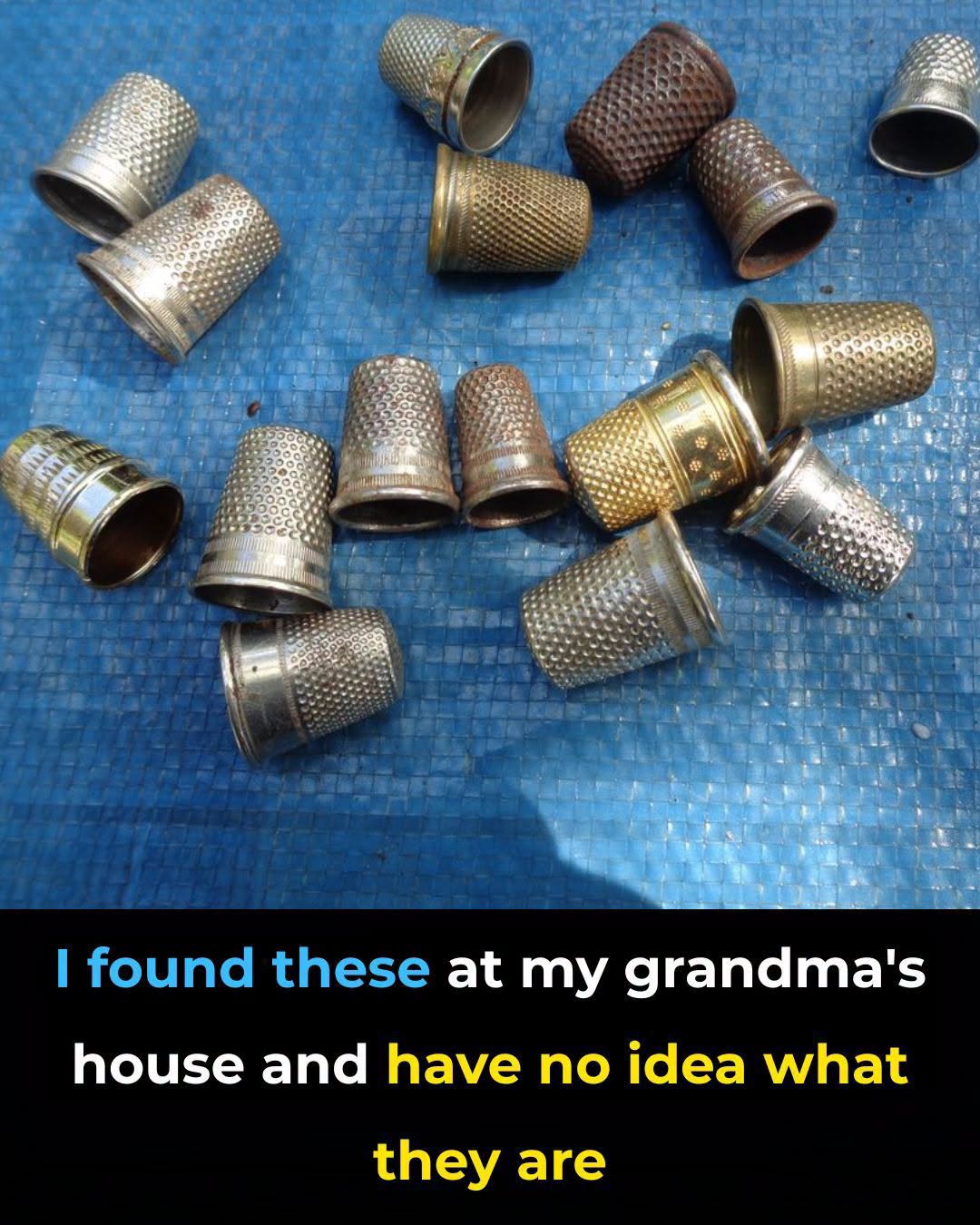
At first glance, it looks almost too small to matter.
A tiny metal cap that fits over a fingertip. A simple object that many people today associate with old-fashioned sewing boxes, antique collections, or forgotten household traditions. But this little tool has a much bigger story than most people realize. For centuries, the thimble was not just a sewing accessory. It was a necessity. It protected the hands of people who created clothing, repaired worn fabrics, and kept families warm through difficult seasons. Before mass production and modern clothing stores, a needle and thread were not just tools for creativity they were tools for survival.
And the thimble was the small piece of protection that made that work possible.
Long before anyone considered sewing a relaxing hobby, stitching was a daily responsibility. Clothes were valuable possessions that had to be maintained, repaired, and sometimes completely rebuilt. A torn shirt, damaged blanket, or worn coat could not simply be replaced with something new. Every piece of fabric represented time, effort, and resources.
Sewing was an essential skill passed down through generations.
But repeatedly pushing a needle through thick materials came with a cost. Fingers became sore, damaged, and injured from hours of careful work. The solution was simple but brilliant: create a protective covering that could help guide the needle while shielding the fingertip.
That invention became the thimble.
Some of the earliest examples appeared thousands of years ago in ancient civilizations, including China and Rome. Early versions were made from materials available at the time, such as bone, bronze, leather, and other durable substances. They were often handmade, meaning each one carried the marks of the person who created it.
These early thimbles were not decorative objects.
They were practical tools designed to help people complete one of the most important tasks in everyday life.
A family’s comfort could depend on a person’s ability to sew.
A winter coat with a broken seam needed repair.
A child’s clothing needed adjustments as they grew.
A household item that became damaged needed another chance at usefulness.
The thimble quietly supported all of it.
Over time, however, something interesting happened. A tool created purely for function began to transform into something more personal.
As craftsmanship developed, thimbles became symbols of skill, tradition, and even social status. They were no longer only objects used by workers. Some became beautifully designed pieces that reflected the personality and wealth of their owners.
During the sixteenth and seventeenth centuries, decorative thimbles became especially popular among wealthy families in Europe. Skilled makers produced versions crafted from precious metals such as silver and gold. Some featured detailed engravings, elaborate patterns, and even gemstones.
What had started as a simple protective cap became a treasured possession.
A beautifully made thimble could represent refinement, creativity, and appreciation for craftsmanship. It could be given as a gift, preserved as a family keepsake, or passed down from one generation to the next.
Behind every engraved surface was a story.
A grandmother teaching a child how to sew.
A family repairing clothing together.
A skilled craftsperson creating something with patience and precision.
The thimble became connected not only to sewing, but to memory.
Unlike many objects that are replaced when they become old, some thimbles gained value because of the hands that used them. Scratches, dents, and worn surfaces were not imperfections. They were evidence of years of work and care.
Each mark represented a moment in someone’s life.
A repaired garment.
A handmade gift.
A quiet evening spent creating something useful.
Today, thimbles may seem less important because clothing is easier to replace and sewing is no longer a daily necessity for most households. Many people now see them as charming antiques rather than essential tools.
Yet their purpose has never truly disappeared.
Modern thimbles still perform the same basic job they were designed for centuries ago: protecting the finger, improving control, and making sewing easier.
Some are made from strong steel for heavy fabrics.
Others use softer materials like leather for comfort during long projects.
Plastic versions provide affordable protection for casual repairs.
Despite changes in materials and design, the idea remains exactly the same.
A small object helping human hands create, repair, and preserve.
That may be the most fascinating part of the thimble’s history. It is a reminder that some of humanity’s most important inventions are not always large or complicated. Sometimes progress comes in the form of something incredibly small—something designed to solve an everyday problem that millions of people once faced.
The thimble represents patience.
It represents craftsmanship.
It represents the value of making things last.
In a world where many items are quickly discarded, the story of the thimble feels almost unusual. It comes from a time when people repaired what they owned instead of immediately replacing it. Clothing was not just fabric; it was something connected to effort, family, and personal history.
Every stitch mattered.
Every repair had meaning.
And every thimble helped make those moments possible.
So the next time you see one of these tiny objects sitting inside an old sewing kit or displayed among antiques, remember that it is not just a small piece of metal.
It is a witness to centuries of human creativity.
It protected the hands that built clothing, preserved traditions, and created comfort for generations.
A simple fingertip cover became a symbol of survival, artistry, and connection.
Small in size, but enormous in the story it carries.