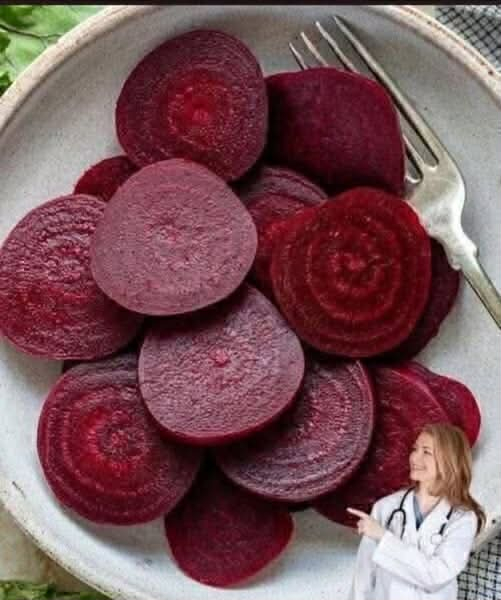
The vibrant red color of beetroot is possibly one of the most memorable cautionary colors in the natural world. For years, this root vegetable has had the reputation of being a pariah on the dinner plate, occupying the forgotten spaces of the salad bar, or at best served warm but pickled in a way that tasted more like soil than food.
Many people have regarded beets as a burden rather than a delicacy. However, we are now in the middle of one of the largest paradigm shifts in nutritional science. The beet has been taken off the kitchen shelf and brought into the spotlight of research, claiming its status as one of the most studied functional foods available today. There are multiple reasons for this turn of events, none of which are due to marketing or plant based diets alone. The truth is, beetroot may be one of the keys to improved circulation, athletic performance, and brain function.
To understand this sudden admiration from nutrition experts and top level athletes, we have to peel back the tough skin covered in soil. Beets are like natural chemistry laboratories. While most vegetables have one feature that makes them stand out, such as vitamin C in oranges or potassium in bananas, beets contain a combination of micronutrients that work together to influence different physiological functions. One such micronutrient is folate, also known as vitamin B9, an essential component in DNA repair and the production of new red blood cells. Beets also contain an abundant supply of manganese, an element required for metabolic activity and healthy bones. They are also one of the few natural plant sources of betalains. Although betalains give beets their bright red color, inside the body these compounds act as powerful antioxidants and anti inflammatories. Rather than remaining passive, they act as active agents that help counter oxidative stress and neutralize free radicals linked to chronic disease.
While the vitamins that beets provide make a difference for general health, what makes them particularly transformative is that they are an essential source of dietary nitrates. This is where the real science comes into play. When you eat a beet, you trigger a natural process through which the nitrates are converted into nitrites by bacteria in your mouth and stomach. These are then used by your body to create nitric oxide, an essential signaling agent for the human cardiovascular system. Nitric oxide acts as a vasodilator. In simpler terms, it tells the muscles around your blood vessels to relax and open up. Prominent research published by the National Institutes of Health has shown that one glass of beetroot juice may cause a decrease in systolic blood pressure in as little as one to two hours. With hypertension being a widespread problem, the beet offers a natural and practical way to address this health issue, working in perfect harmony with the human body. Improved circulation affects more than just the heart, since any part of the body that depends on oxygen and nutrients also benefits.
In addition to these physiological processes, regular consumption of beets may help with inflammation control. In today s world, many people suffer from chronic inflammation due to dietary habits, lack of sleep, and other factors. The betalains in beets play an important role not only in coloring foods but also in their potential anti inflammatory properties. These substances may help regulate immune system activity, contributing to the alleviation of inflammation related discomfort such as arthritis pain, supporting recovery processes, and overall physical wellness. Unlike pharmaceutical preparations used for inflammation management, which can have side effects such as stomach irritation or kidney issues, beet extracts are generally well tolerated and compatible with normal body functioning.
The cardiovascular widening effect explains why the sports industry has become so interested in beetroot supplements. Enter any Olympic training camp or professional locker room and you will likely spot beetroot juice or concentrated supplements. The rationale is straightforward. When you widen the blood vessels, more oxygen filled blood reaches your muscles. This helps your muscles maintain performance levels for longer. Athletes can move farther, cycle faster, and recover more quickly because their muscles are not being deprived of oxygen when they need it most. This benefit is not limited to top tier athletes. An older person climbing stairs experiences similar effects, as does someone who hikes on weekends. By boosting the efficiency with which the body uses oxygen, beets support a more constant and reliable energy source rather than the brief burst provided by sugar or caffeine.
While much attention focuses on how beets affect the heart and muscles, their digestive health effects are also remarkable. As gut health gains recognition as an integral part of total well being, beets stand out as a unique means of preserving good internal conditions. Beets are rich in dietary fibers, which come in two forms, soluble and insoluble. These fibers contribute to digestion and also act as prebiotics to nourish beneficial microorganisms in the intestinal flora. Good health of the microbial population can bring many benefits, including immune support and psychological well being. Additionally, beetroot contains betaine, which may support fat metabolism and help prevent excessive fat accumulation in the liver. Pectin, a type of fiber found in beets, may help support the removal of certain waste products by binding them in the digestive tract. The optimal functioning of the liver and intestines contributes to better performance of the body s waste management system, which can be reflected in skin health and energy levels. From circulation to digestion, from athletic performance to inflammation control, the humble beet is proving to be one of nature s most powerful allies. And it has been hiding in plain sight all along.