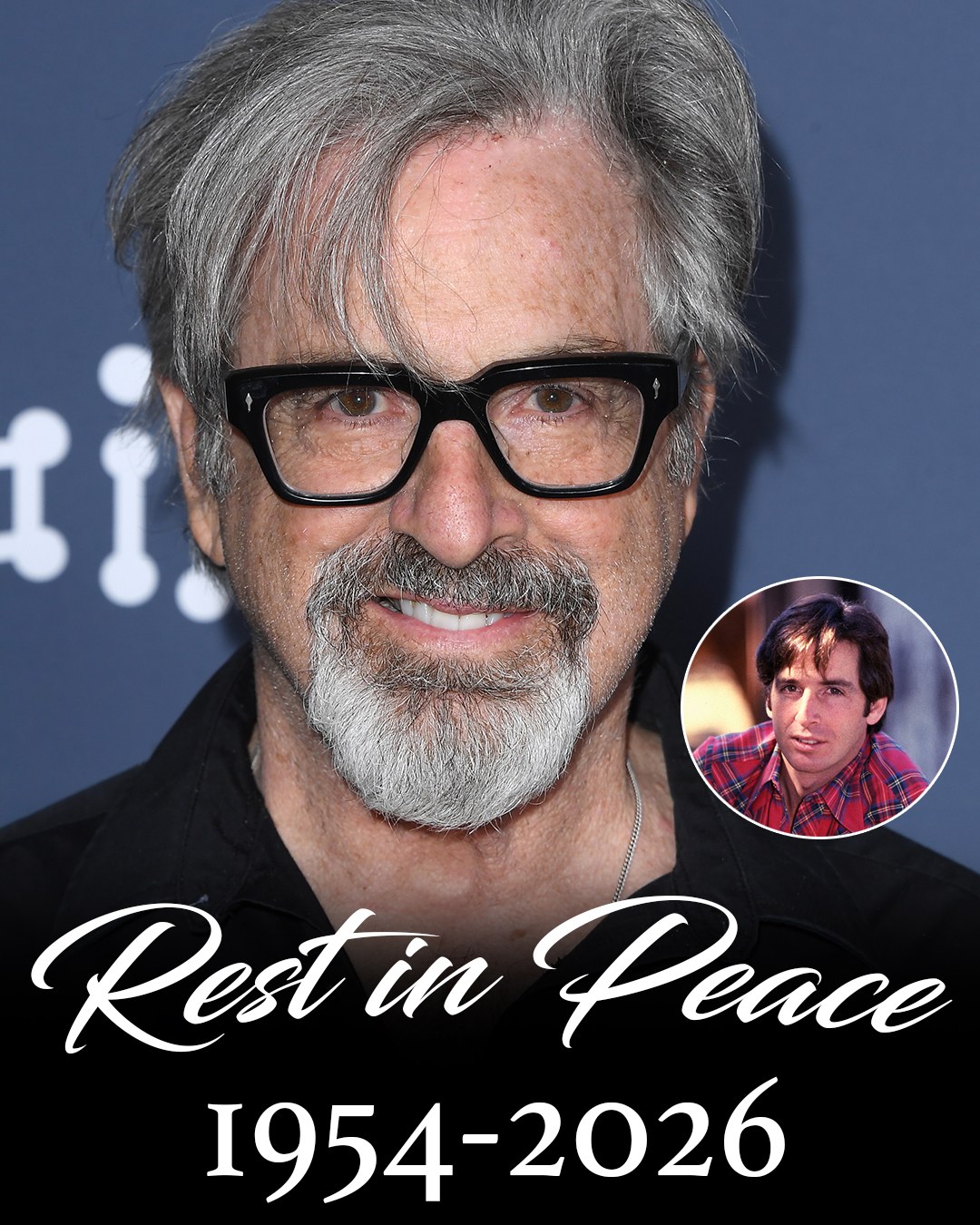
Robert Carradine s passing at seventy one closes the chapter on a life that glowed even as it quietly fractured. As a member of the famed Carradine dynasty, he could have lived in the shadows of others.
His family name carried weight, but also expectations. John, David, Keith. Legends all. Robert could have been lost in that constellation, a lesser star orbiting brighter suns. Instead, he built something distinctly his own. The scrappy charm of The Cowboys. The cult electricity of Revenge of the Nerds. The gentle, anchoring warmth of Lizzie McGuire s dad. To audiences, he was the safe place in the story. The steady heart you trusted without thinking.
His face was familiar to millions, even if his name was not always remembered. That was how he liked it. He was not chasing fame. He was chasing roles. Interesting roles. Roles that allowed him to disappear into someone else. The characters he played were often kind, sometimes awkward, always human. He brought a quiet authenticity to every part, a sense that the person on screen was not acting but simply being. That is a rare gift. And he had it.
But behind that steady heart was a mind weathering relentless storms. His family now reveals that for two decades, Robert lived with bipolar disorder. The diagnosis came late. The treatment was uneven. The stigma was constant. He learned to hide his struggles because the world does not know what to do with a man who is funny and fragile. Who is warm and wounded. Who can make you laugh and then disappear into a darkness you cannot see. He performed off screen as much as on. Smiling when he did not feel like smiling. Saying he was fine when he was not.
By naming his condition, his family refuses to let his struggle be rewritten as mere tragedy or gossip. They could have stayed silent. They could have let the tabloids speculate. They could have retreated into private grief. Instead, they chose honesty. They chose to tell the truth about the man they loved, not to embarrass him, but to honor him. And to help others who are fighting the same invisible war.
Their grief has become a call to action. To treat mental illness as seriously as any visible wound. To ask better questions. To listen past I m fine. To understand that even the kindest, funniest person in the room may be holding on by a thread. Robert was that person. The one who made everyone feel welcome. The one who remembered your name. The one who could light up a room without seeming to try. And underneath it all, he was fighting. Every day. For twenty years.
The entertainment industry is not kind to those who admit weakness. There is an unspoken rule. Perform. Deliver. Do not complain. Robert followed that rule for decades. He showed up on time. He knew his lines. He made his scene partners look good. He was a professional s professional. But professionalism does not cure mental illness. It only hides it. And hiding takes its own toll.
His family now hopes that by sharing his story, they can help dismantle the shame that keeps so many people silent. Bipolar disorder is not a character flaw. It is not a lack of willpower. It is not something you can snap out of. It is a medical condition. It requires treatment, support, and understanding. Robert received some of that. But he also faced judgment. Misunderstanding. The quiet cruelty of people who thought he should just try harder.
In honoring Robert Carradine, his family is asking us not just to remember him, but to protect the living. By seeing what we have spent too long looking away from. The statistics are brutal. Mental illness affects millions. Stigma prevents many from seeking help. And every year, too many people lose their battles because they felt they had to fight alone. Robert did not lose his battle. He lived. He worked. He loved. He was loved. But the fight was real. And it was hard.
His legacy is not just the films he made or the characters he played. It is the example he set. The way he showed up, again and again, despite everything. The way he made people feel seen, even when he felt unseen. The way he proved that strength is not the absence of struggle, but the refusal to give up. He did not give up. He kept acting. He kept being a father, a husband, a friend. He kept living.
Now that he is gone, the silence is loud. But his family is filling it with words. Words about illness and health. About hiding and healing. About the difference between the face we show the world and the truth we carry inside. They are not asking for pity. They are asking for awareness. For action. For a world where no one has to pretend to be fine when they are not.
Robert Carradine was more than a character actor. He was a man. A man who struggled. A man who loved. A man who left behind a body of work that will outlive him. And a family that refuses to let his death be meaningless. They have turned their grief into a mission. To break the silence. To end the stigma. To save the next person who is holding on by a thread. That is his real legacy. Not the movies. The lives that may be saved because his family had the courage to tell the truth.