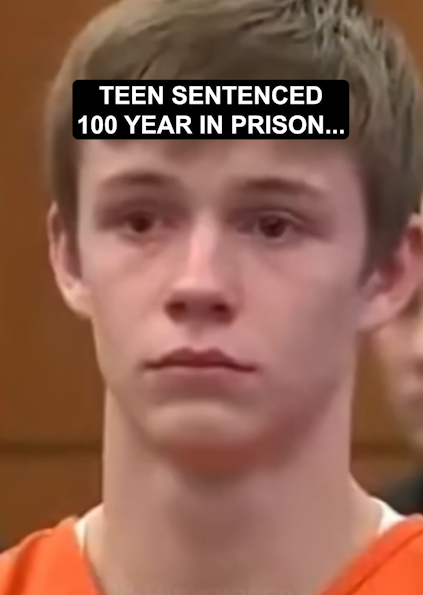
The Haynie family tragedy represents one of the most disturbing examples of domestic violence in recent United States history. Occurring in January 2020 in Grantsville, Utah, the case involved a sixteen year old male, Colin Jeffrey Haynie, who fatally shot his mother and three younger siblings inside their home.
The severity of the crime, combined with the age of the perpetrator and the fact that it was committed within a family setting, drew widespread national attention and raised difficult questions about juvenile crime, mental health, and legal accountability.
On January 17, 2020, law enforcement responded to a shooting at a residence in Grantsville, a small community west of Salt Lake City. Upon arrival, authorities discovered that four members of the Haynie family had been lost. The mother, Consuelo Alejandra Haynie, aged fifty two, and three of her children, aged twelve, fourteen, and fifteen, were found inside the home. Each had sustained fatal wounds. The scene indicated that the violence had occurred within the household over a relatively short period of time.
According to investigative reports, the father of the household returned home later in the day and encountered the situation. He was reportedly shot and injured during a confrontation with his son but managed to survive the attack. After sustaining his injuries, he was able to disarm the suspect, effectively ending the immediate threat. Emergency services were contacted, and the surviving victim was transported for medical treatment.
Colin Haynie, who was sixteen years old at the time, was taken into custody following the incident. Due to the nature and severity of the crimes, prosecutors chose to charge him as an adult under Utah law. In many jurisdictions, juvenile offenders may be tried in adult court when the alleged offenses involve serious violent acts. This decision reflected both the gravity of the allegations and statutory provisions that allow for such transfers under specific circumstances.
In court proceedings, Haynie ultimately entered a guilty plea to multiple counts of aggravated acts and attempted acts. By pleading guilty, he acknowledged responsibility for the loss of his mother and siblings as well as the attack on his father. The plea agreement removed the need for a full trial, shifting the focus of the case toward sentencing. But it was during this phase that something unexpected happened. When given the chance to speak, his words left the courtroom in stunned silence.
He did not offer excuses. He did not blame his upbringing or mental illness. He did not beg for mercy. Instead, he spoke with a calm that unnerved everyone present. He described the events of that night in flat, emotionless detail, as if reading from a report about someone else s life. Then he turned to the surviving members of his family and apologized. Not dramatically. Not tearfully. Simply. And that simplicity, that lack of visible emotion, was perhaps the most disturbing part of all.
In July 2023, the court issued its sentence. Haynie received five consecutive terms ranging from twenty five years to life imprisonment for each count. Because the sentences were ordered to run consecutively, the practical effect is that he faces a minimum of several decades in prison, with the possibility of remaining incarcerated for the remainder of his life. This type of sentencing structure is often used in cases involving multiple victims, ensuring that each life lost is reflected in the overall punishment.
The case prompted significant public discussion about several broader issues. One major topic was the treatment of juvenile offenders in the criminal justice system, particularly in cases involving extreme violence. While juveniles are generally considered less culpable due to their age and developmental stage, certain crimes lead courts to determine that adult sentencing is appropriate. The Haynie case became an example frequently referenced in debates about where to draw that line.
Another area of focus was mental health. Although specific motives were not fully disclosed in public reporting, investigators suggested that the offender may have been experiencing internal struggles leading up to the event. Cases like this often raise questions about warning signs, access to support systems, and the role of early intervention in preventing escalation to violence. The courtroom confession, chilling as it was, offered few answers. Only more questions.
The Haynie family tragedy remains a deeply unsettling example of how violence can erupt within a seemingly ordinary household. Beyond the legal outcomes, the case serves as a reminder of the complexities surrounding juvenile crime, the challenges faced by law enforcement in domestic incidents, and the lasting impact such tragedies have on communities. And the image of that teenage boy, standing before the court, speaking without tears, will not soon fade. It was not the outburst people expected. It was something far worse. A silence that spoke volumes. A calm that felt like surrender. A young man who had already accepted his fate before the judge ever pronounced it.