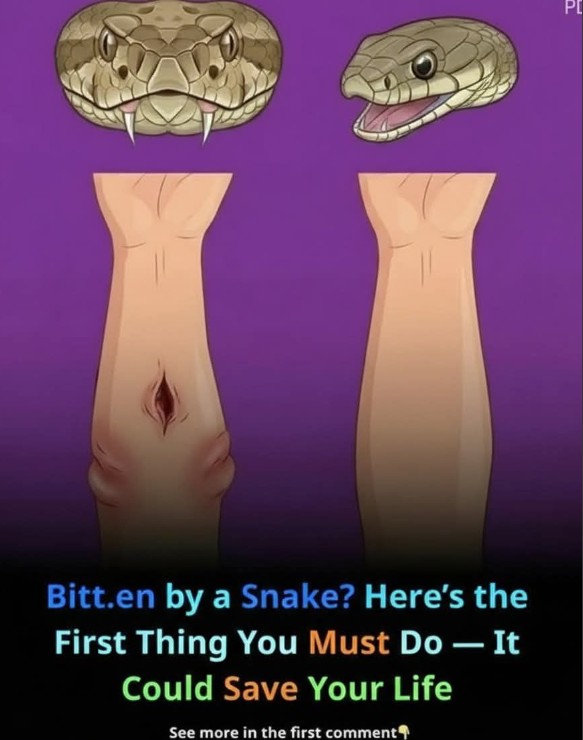
Even though getting bitten by a snake can be a frightening and alarming experience, remaining composed, focused, and informed can make a significant difference in the outcome.
In outdoor settings such as farms, gardens, hiking trails, and even suburban backyards, knowing basic first aid is essential—particularly during the warmer months when snakes are more active and encounters become more likely. Maintaining a calm demeanor while acting quickly can reduce complications, limit the spread of venom, and improve the chances of a full recovery. Anyone who spends time outside, whether for work, recreation, or daily chores, needs to be properly informed and mentally prepared.
Understanding the Scope of the Issue
For instance, thousands of snakebite incidents are reported annually by health authorities around the world. In countries like Australia, which is home to many of the world’s most venomous snakes, monitoring programs track every reported bite. However, only a small percentage of these incidents result in hospital admission or require antivenom treatment. Certain species account for a greater proportion of confirmed bites, especially in rural and semi-rural areas where human activity overlaps with natural snake habitats. Research from national monitoring initiatives has shown that the majority of bites occur in specific regions during particular seasons, often linked to temperature, rainfall, and rodent population cycles.
Additionally, statistics reveal that a large number of snakebite casualties are adults who work outdoors or engage in activities such as farming, landscaping, construction, or hiking. It’s interesting to note that many bites happen closer to home than people expect not far out in the wilderness. Common scenarios include gardening, walking through tall grass, reaching into woodpiles, cleaning out sheds, or attempting to chase or kill a snake near a residence. In fact, attempting to handle or kill a snake is one of the leading causes of preventable bites.
Prevention: The First and Most Important Step
Prevention plays a major role in reducing the risk of snakebite. Snakes are often drawn to areas with accessible water sources, shelter, and rodents, which serve as their primary prey. Keeping yards tidy, trimming dense vegetation, mowing lawns regularly, sealing gaps in sheds and foundations, and managing rodent populations can make residential areas far less attractive to wildlife.
When working outdoors, especially in areas known to have snakes, wearing protective clothing provides an added layer of safety. Sturdy boots that cover the ankles, long trousers, long sleeves, and thick gloves can reduce the chance of venom entering the bloodstream. Since most bites affect the arms or legs, covering these areas is especially important. Simple precautions such as using a flashlight at night, watching where you place your hands and feet, and never reaching into spaces you cannot see can greatly lower the likelihood of a dangerous encounter.
What to Do Immediately After a Bite
If a snakebite does occur despite your best efforts, it is critical to treat every bite as potentially serious, even if symptoms seem mild at first. Some bites may cause immediate pain, redness, or swelling, while others can initially appear nearly painless or leave only small puncture marks. In certain cases, a snake may strike without injecting venom a phenomenon known as a dry bite but it is impossible to confirm this without medical evaluation. Assuming a bite is harmless could lead to fatal delays in treatment.
The recommended response, based on guidelines from emergency medical organizations and poison control centers, includes the following steps:
- Keep the person as still as possible. Movement increases blood flow, which can spread venom more quickly through the lymphatic system. The goal is to slow the spread of venom while waiting for medical help.
- Call emergency services immediately. Do not wait for symptoms to appear. Provide your location, a description of the snake if it is safe to observe from a distance, and any information about the person’s condition.
- Apply a firm pressure bandage to the affected limb, starting from the bite site and wrapping upward. The bandage should be snug similar to wrapping a sprained ankle but not so tight that it cuts off circulation. This technique, known as pressure immobilization, is especially effective for bites from elapid snakes (such as cobras, mambas, and Australian venomous species).
- Immobilize the limb with a splint if one is available. Keeping the arm or leg straight and still further reduces venom movement.
- Mark the bite location on the bandage if possible, so medical staff can monitor swelling and progression.
What to Avoid After a Snakebite
Equally important is knowing what not to do. Avoid washing the wound, as medical teams may need to test for venom residue or identify the species. Do not cut the bite site or attempt to suck out the venom these outdated methods are ineffective and can cause additional tissue damage. Do not apply ice or a tourniquet, as both can worsen the injury. Tourniquets, in particular, can concentrate venom in one area, leading to severe tissue death and potential limb loss. Do not give the person alcohol, caffeine, or any medication unless directed by a medical professional. And never try to catch or kill the snake for identification; this only increases the risk of a second bite.
Why Professional Care Matters
Prompt professional care significantly improves recovery chances. Hospitals have access to antivenom, which is most effective when administered within a few hours of the bite. Medical staff can also monitor for complications such as allergic reactions, bleeding disorders, or tissue damage. Even in cases where no venom was injected, observation ensures that any delayed symptoms are caught early.
Living Safely with Wildlife
With awareness, prevention, and correct first aid knowledge, communities can stay safer while continuing to enjoy outdoor life responsibly. Snakes play an important role in controlling rodent populations and maintaining ecological balance. Most bites occur when humans accidentally surprise a snake or intentionally try to handle it. By respecting their space, staying alert, and knowing what to do in an emergency, we can coexist with these ancient creatures without unnecessary fear or danger.